Introduction to Relay Proximity Sensors
Relay proximity sensors are critical components in modern electrical and automation systems, designed to detect the presence or absence of objects without physical contact. These sensors combine the non-contact sensing capabilities of proximity technology with the switching functionality of relays, making them ideal for integration into connector-based setups. In industrial environments, they serve as reliable interfaces for controlling circuits, machinery, and safety mechanisms. Their ability to operate in harsh conditions—such as high temperatures, dust, or moisture—ensures durability and consistent performance. By converting detected signals into electrical outputs, relay proximity sensors enable seamless communication between sensors and connected devices, forming the backbone of automated processes in manufacturing, robotics, and transportation sectors.
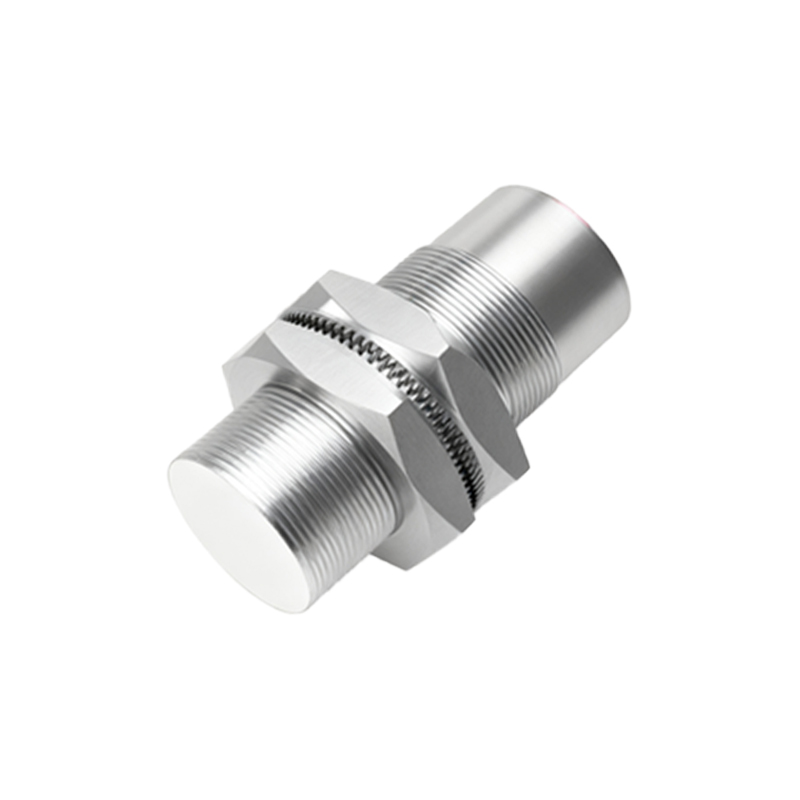
Working Principles and Design Features
The operation of relay proximity sensors relies on electromagnetic, capacitive, or inductive sensing methods, depending on the target material and application requirements. Inductive sensors, for instance, generate an electromagnetic field to detect metallic objects, while capacitive variants sense non-metallic materials by measuring changes in capacitance. When an object enters the sensing range, the sensor triggers an internal relay switch, which then opens or closes an electrical circuit. This design often includes built-in protection against overloads, short circuits, and voltage spikes, enhancing system safety. Key features include adjustable sensing distances, LED status indicators, and compact housings that facilitate easy mounting in connector panels. The integration of relays allows for direct control of high-power loads, reducing the need for additional amplifiers or controllers.
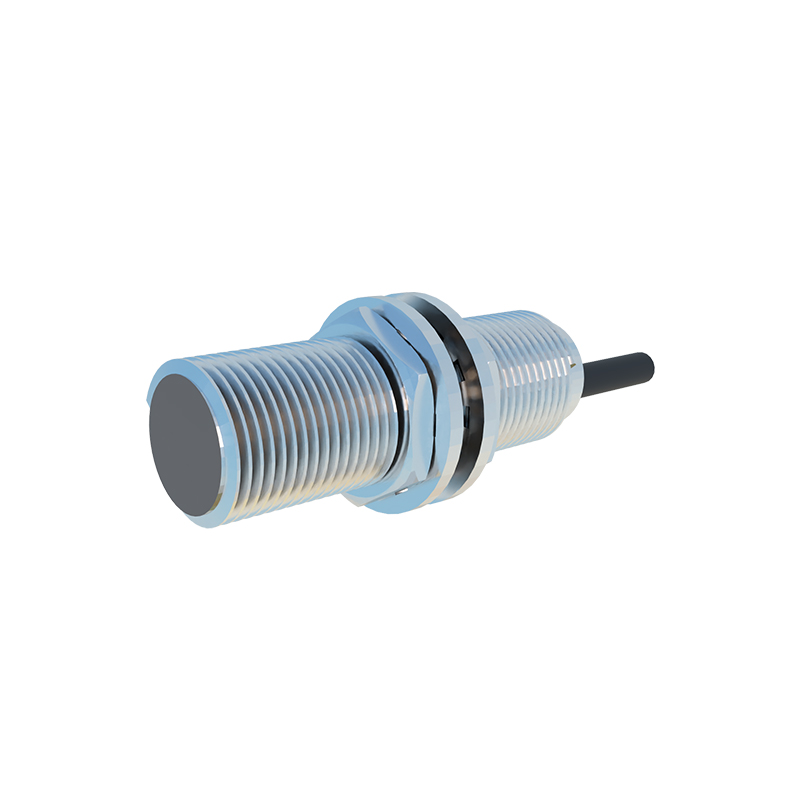
Applications in Connector Systems
In connector applications, relay proximity sensors are commonly used for position detection, object counting, and end-of-travel monitoring. For example, in automated assembly lines, sensors embedded in connector housings verify the proper insertion of components, ensuring quality control. They also play a vital role in safety interlocks, where they prevent machine operation if guards or doors are open. The use of standardized connectors—such as M8, M12, or rectangular types—simplifies installation and maintenance, allowing for quick replacement without rewiring. This plug-and-play capability is especially valuable in modular systems, where sensors must be frequently reconfigured. Additionally, these sensors support various output configurations, including normally open (NO) or normally closed (NC) contacts, to match specific circuit designs.
Advantages Over Alternative Sensor Types
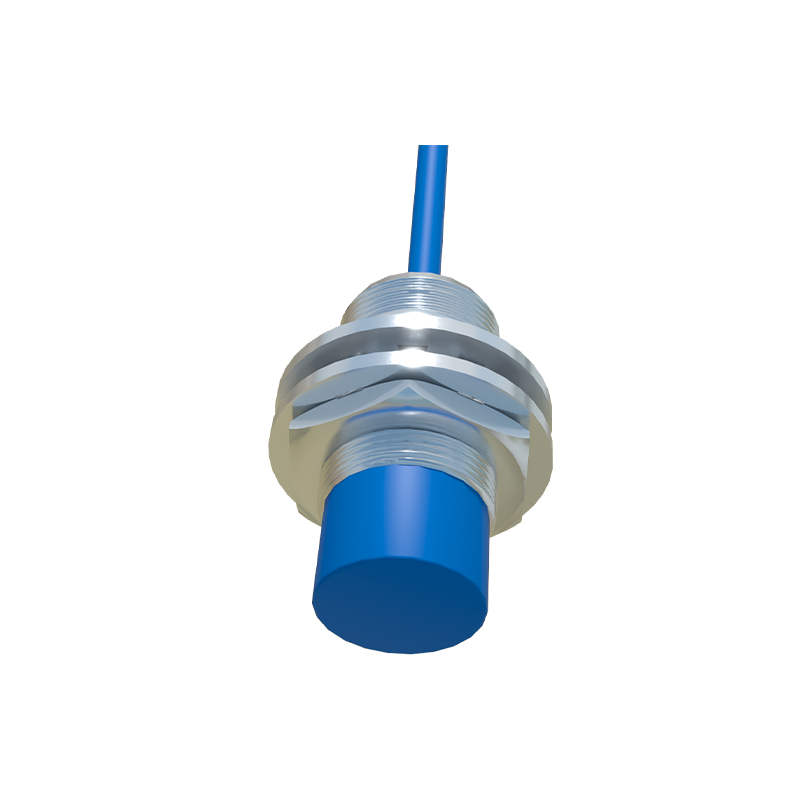
Compared to solid-state or photoelectric sensors, relay proximity sensors offer distinct benefits in connector-based environments. Their mechanical relay contacts can switch higher currents and voltages, making them suitable for direct control of motors, solenoids, or lamps. This reduces component count and system complexity. Moreover, they exhibit high noise immunity, minimizing false triggers from electrical interference common in industrial settings. The robust construction ensures longevity, with typical lifespans exceeding millions of cycles. From a cost perspective, these sensors provide an economical solution for applications requiring both sensing and switching, as they eliminate the need for separate relays. Their compatibility with diverse connector standards further enhances versatility across global markets.
Installation and Maintenance Guidelines
Proper installation is crucial for optimal performance of relay proximity sensors in connector systems. Ensure the sensor is mounted securely, with the sensing face aligned parallel to the target object to avoid signal attenuation. Maintain the recommended sensing distance, accounting for factors like material type and environmental conditions. Use shielded cables and connectors to prevent electromagnetic interference, and verify wiring according to manufacturer diagrams—typically involving power supply, load, and ground connections. Regular maintenance includes cleaning sensor surfaces to remove debris, checking for loose connections, and testing response times. If failures occur, diagnostic LEDs often indicate issues like power loss or output errors, aiding troubleshooting. Always follow industry safety protocols, such as locking out power during servicing.
Future Trends and Innovations
The evolution of relay proximity sensors is driven by trends toward miniaturization, smart connectivity, and energy efficiency. Emerging designs incorporate IoT capabilities, enabling sensors to transmit data via industrial Ethernet or wireless protocols for real-time monitoring. Enhanced materials, such as corrosion-resistant alloys or polymer composites, extend usability in extreme environments. Innovations in sensing technology, like multi-functional sensors that combine proximity detection with temperature or pressure measurement, are gaining traction. Additionally, the integration of solid-state relays with proximity elements offers faster switching speeds and silent operation. As Industry 4.0 advances, these sensors will increasingly support predictive maintenance and adaptive control systems, reinforcing their role in connected, automated infrastructures.