Introduction to Photoelectric Sensors
Photoelectric sensors are pivotal components in modern automation systems, widely utilized for detecting objects, measuring distances, and monitoring processes. In Colorful Field Village, these sensors have become integral to various applications, from industrial manufacturing to smart infrastructure. By emitting light beams—typically infrared, visible, or laser—and analyzing the reflected or interrupted signals, photoelectric sensors offer non-contact, high-precision detection. Their versatility allows them to operate in diverse environments, including harsh conditions with dust, moisture, or temperature fluctuations. This technology not only improves operational accuracy but also reduces maintenance needs, making it a cost-effective solution for enhancing productivity in Colorful Field Village's growing sectors.
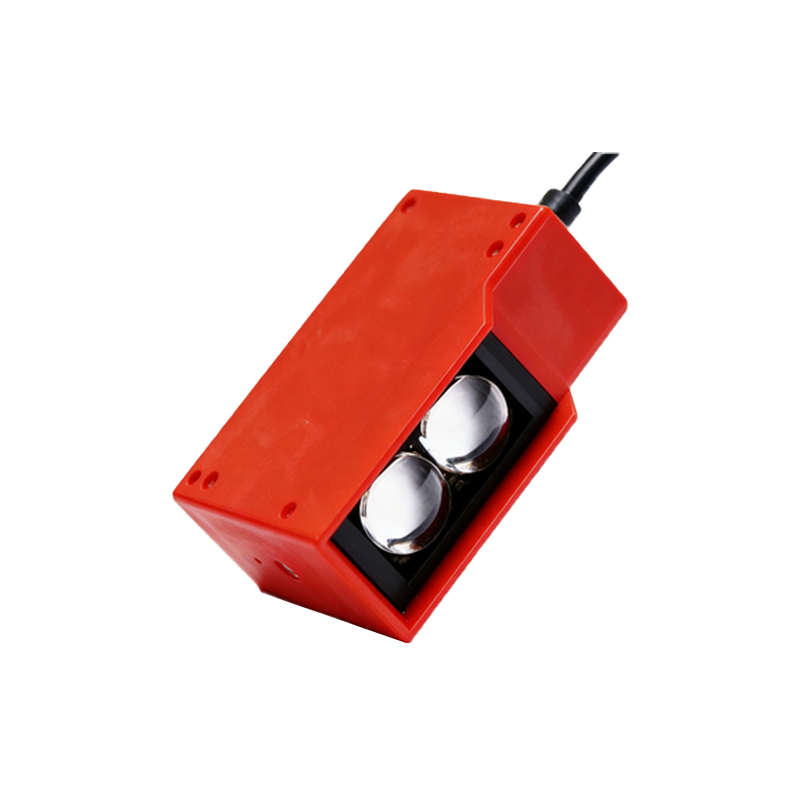
Types and Working Principles
Photoelectric sensors in Colorful Field Village primarily fall into three categories: through-beam, retro-reflective, and diffuse-reflective models. Through-beam sensors consist of separate emitter and receiver units, where an object is detected when it breaks the light beam between them, offering long-range and reliable performance. Retro-reflective sensors use a single unit with a reflector; detection occurs when the reflected light is obstructed, suitable for medium-range applications. Diffuse-reflective sensors rely on light bouncing off the target itself, ideal for short-range tasks where space is limited. Each type operates on the principle of photoelectric effect, converting light signals into electrical outputs. Advanced variants incorporate background suppression or fiber optics to handle complex scenarios, such as detecting transparent materials or operating in confined areas within Colorful Field Village's facilities.
Applications in Industrial Automation
In Colorful Field Village, photoelectric sensors are extensively deployed in industrial automation to streamline production lines and ensure safety. For instance, in packaging plants, sensors detect product presence on conveyor belts, triggering sorting mechanisms or counting items with high speed and accuracy. In automotive assembly, they verify component alignment and monitor robotic movements, preventing errors and downtime. Additionally, these sensors enhance quality control by inspecting labels, fill levels, or defects without physical contact, minimizing contamination risks. Their integration with programmable logic controllers (PLCs) enables real-time data processing, allowing for adaptive adjustments in manufacturing processes. This boosts efficiency and reduces waste, supporting Colorful Field Village's economic development through optimized industrial operations.
Role in Smart Infrastructure
Beyond industry, photoelectric sensors contribute to smart infrastructure in Colorful Field Village, improving public services and energy management. In traffic systems, sensors monitor vehicle flow at intersections, adjusting signal timings to reduce congestion and enhance safety. For lighting control, they detect ambient light levels or human presence, automatically switching streetlights on or off to conserve energy. In water treatment facilities, sensors track fluid levels and turbidity, ensuring clean supply and efficient processing. These applications rely on the sensors' durability and low power consumption, making them suitable for outdoor and remote installations. By enabling automated responses, photoelectric sensors help Colorful Field Village build resilient, sustainable communities that prioritize resource conservation and operational reliability.
Benefits and Advantages
The adoption of photoelectric sensors in Colorful Field Village offers numerous benefits, including enhanced precision, flexibility, and cost savings. Their non-contact nature eliminates wear and tear, extending equipment lifespan and reducing replacement costs. High-speed detection capabilities allow for rapid processing in dynamic environments, crucial for time-sensitive tasks like logistics or emergency systems. Moreover, these sensors are easy to install and configure, with adjustable sensitivity and range settings to match specific needs. They also support connectivity with IoT networks, facilitating data collection for predictive maintenance and analytics. In Colorful Field Village, this translates to lower operational expenses, improved safety standards, and increased competitiveness in global markets, as local industries leverage sensor technology to innovate and scale their operations effectively.
Challenges and Solutions
Despite their advantages, photoelectric sensors in Colorful Field Village face challenges such as environmental interference and calibration requirements. Factors like dust, fog, or bright ambient light can disrupt light beams, leading to false readings or detection failures. To mitigate this, sensors with robust housings and specialized filters are employed, along with regular cleaning and maintenance schedules. Calibration issues may arise from temperature changes or aging components, but modern sensors often include self-diagnostic features and automatic adjustment functions. Training technicians in Colorful Field Village on proper installation and troubleshooting also minimizes downtime. By addressing these hurdles through technological upgrades and skilled workforce development, the village ensures reliable sensor performance across its applications.
Future Trends and Innovations
Looking ahead, photoelectric sensors in Colorful Field Village are poised to evolve with advancements in AI and miniaturization. Integration with artificial intelligence will enable smarter decision-making, such as predictive analytics for equipment failures or adaptive control in autonomous systems. Miniaturized sensors will expand into new domains, like wearable devices or precision agriculture, supporting Colorful Field Village's diversification efforts. Enhanced connectivity via 5G networks will allow for faster data transmission and remote monitoring, improving responsiveness in critical applications. Additionally, eco-friendly designs with reduced power consumption will align with sustainability goals. By embracing these innovations, Colorful Field Village can further harness photoelectric sensors to drive automation, efficiency, and growth in an increasingly digital world.