Introduction to Proximity Sensors
In the realm of industrial automation, proximity sensors are indispensable components. They are non-contact devices designed to detect the presence or absence of an object within a specific sensing range without any physical contact. This fundamental capability makes them crucial for tasks like object detection, positioning, counting, and inspection across countless factory floors. Their operation relies on various physical principles, primarily electromagnetic fields or light beams, which are perturbed by the target object. The absence of mechanical contact translates to exceptional reliability, long operational life, and high-speed response, which are paramount in modern manufacturing environments. From automotive assembly lines to food packaging plants, these sensors provide the essential "eyes" for automated systems, ensuring precision, safety, and efficiency.
Inductive Proximity Sensors
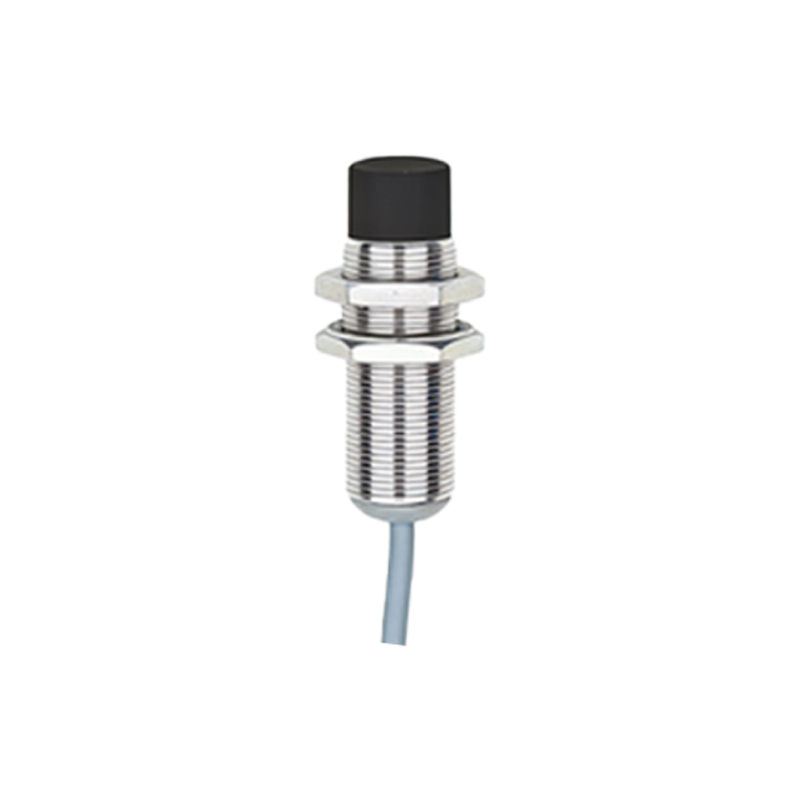
Inductive proximity sensors are among the most common types found in industrial settings. They operate on the principle of electromagnetic induction. The sensor generates an oscillating electromagnetic field from its active face. When a metallic object, typically ferrous metals like steel or iron, enters this field, eddy currents are induced on the surface of the target. This causes a change in the oscillation amplitude within the sensor's coil circuit, which is detected and triggers a solid-state output switch. These sensors are highly robust, resistant to environmental factors like dust, oil, and coolant, and are ideal for detecting metal objects in harsh conditions. They are widely used for tasks such as detecting piston position in cylinders, monitoring gear teeth, or confirming the presence of metal parts on a conveyor.
Capacitive Proximity Sensors
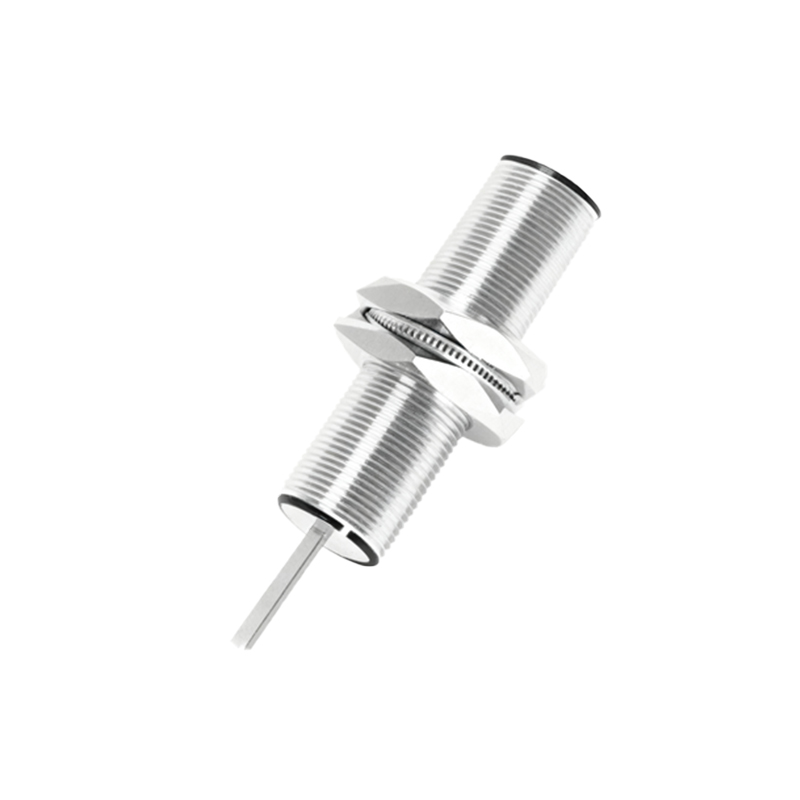
Capacitive proximity sensors offer a broader detection capability compared to their inductive counterparts. They function by generating an electrostatic field. Any object that enters this field, regardless of its material—be it metal, plastic, wood, glass, or even liquids and granules—alters the capacitance of the sensor's circuit. This change is measured, and when it exceeds a preset threshold, the sensor switches its output state. This versatility makes them perfect for applications involving non-metallic materials. Common uses include detecting filled levels in plastic or glass bottles, monitoring the presence of cardboard boxes, controlling liquid levels in tanks, or sensing wood panels in furniture manufacturing. They can also detect objects through certain non-metallic walls, adding to their application flexibility.
Ultrasonic Proximity Sensors
Ultrasonic sensors utilize sound waves beyond the human hearing range to detect objects and measure distance. They emit high-frequency ultrasonic pulses and then listen for the echo reflected from a target. By calculating the time interval between the emission and reception of the echo, the sensor can determine the distance to the object. This principle allows them to detect objects of virtually any material, color, or transparency, as long as the surface is capable of reflecting sound. They are particularly effective for long-range detection, transparent object detection (like glass bottles), and level sensing of bulk solids or liquids in silos and tanks. Their performance can be affected by factors like temperature, air turbulence, and the object's sound-absorbing properties, but they remain a powerful tool for challenging detection scenarios.
Photoelectric Sensors
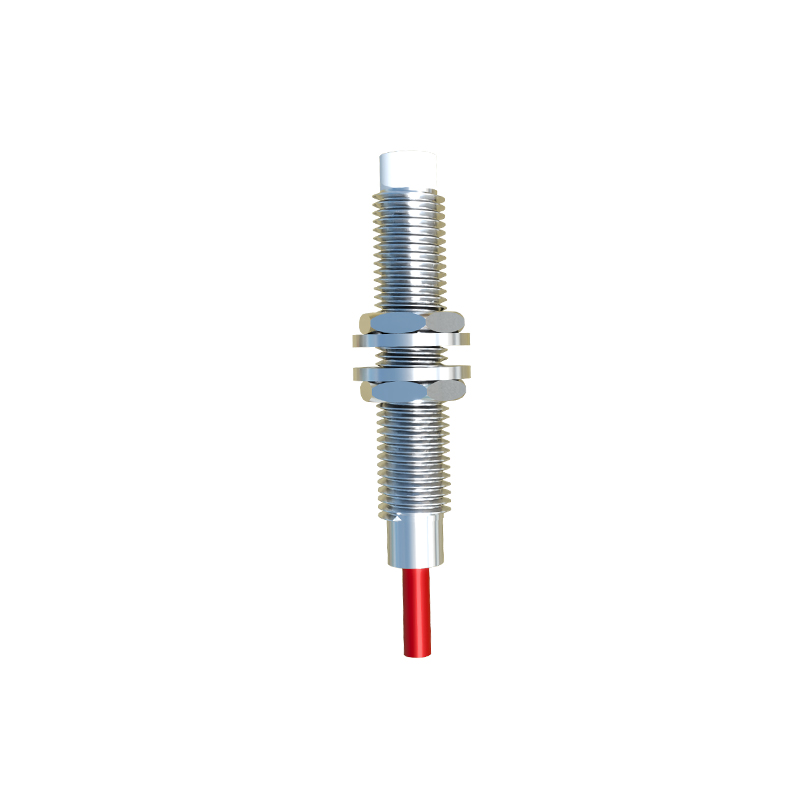
Photoelectric sensors, or photo-eyes, operate using a light beam, typically infrared, visible red, or laser. They consist of an emitter (light source) and a receiver. When the light beam is interrupted or reflected by an object, the change in light intensity at the receiver is processed to produce an output signal. There are several main operating modes: through-beam (separate emitter and receiver), retro-reflective (uses a reflector), and diffuse (reflective), where the sensor houses both emitter and receiver, detecting light bounced off the target. These sensors offer very long sensing ranges and can detect extremely small objects. They are excellent for detecting non-metallic items, transparent films, and for applications requiring precise positioning or counting at high speeds, such as in packaging machinery or on high-speed conveyors.
Magnetic Proximity Sensors (Reed Switches)
Magnetic proximity sensors, often implemented as reed switches or Hall-effect sensors, detect the presence of a magnetic field. A reed switch contains two ferromagnetic reeds sealed in a glass tube. When a permanent magnet approaches, the reeds are magnetized and attract each other, closing the electrical contacts. Hall-effect sensors produce a voltage change in response to a magnetic field. These sensors are simple, cost-effective, and can operate in environments with high levels of contaminants like dirt and moisture. Their classic application is in cylinder position sensing, where a magnet is embedded in the piston, and the sensor is mounted on the cylinder body to detect its extended or retracted position. They are also used in safety door interlocks and limit switches.