Introduction to Photoelectric Sensors
Photoelectric sensors are indispensable components in modern industrial automation, utilizing light beams to detect the presence, absence, or distance of objects. These sensors operate by emitting a light source—typically infrared, visible red, or laser—and then measuring the reflected or interrupted light signal. The core principle involves a transmitter and a receiver. The transmitter projects the light beam, and the receiver analyzes the returning light. When an object interferes with this beam, the sensor triggers an output signal, enabling precise control in machinery and processes. Their applications span across diverse sectors including packaging, material handling, automotive assembly, and food processing. Understanding their fundamental working mechanism is the first step toward making an informed selection for any specific application, ensuring reliability and efficiency in automated systems.
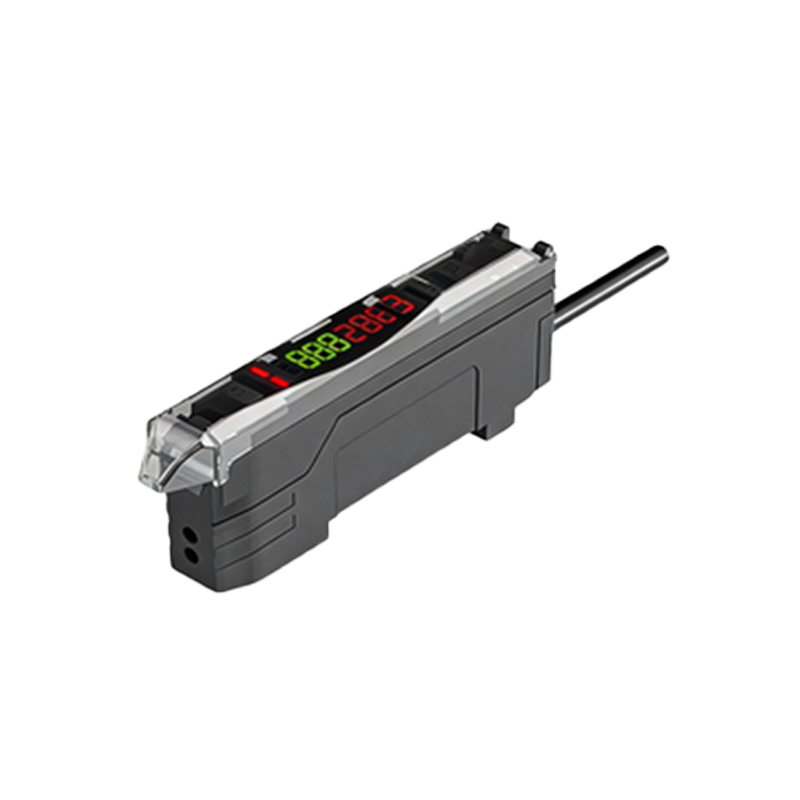
Key Types of Photoelectric Sensors
Selecting the right photoelectric sensor begins with identifying the appropriate type based on the detection method. The three primary configurations are through-beam, retro-reflective, and diffuse reflective sensors. Through-beam sensors consist of separate transmitter and receiver units placed opposite each other. They offer the longest sensing ranges and highest reliability, as the object simply breaks the direct beam. Retro-reflective sensors use a single unit that emits light toward a reflector, which bounces it back to the receiver. An object is detected when it interrupts this reflected beam. These are suitable for medium-range applications. Diffuse reflective sensors, or proximity sensors, have the emitter and receiver in one housing. They detect objects by measuring the light scattered back from the target itself. This type is ideal for short-range detection and varying surface conditions. Each type has distinct advantages concerning range, environmental tolerance, and installation complexity.
Critical Technical Specifications
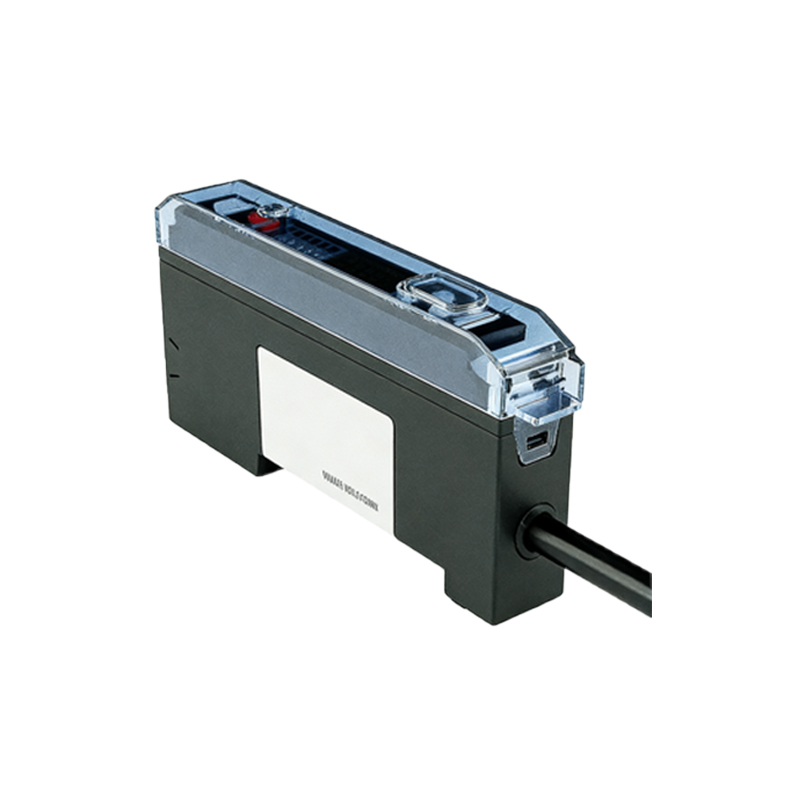
Evaluating technical specifications is paramount when choosing a photoelectric sensor. Key parameters include sensing range, response time, light source, and output type. The sensing range defines the maximum distance at which the sensor can reliably detect an object. It must be chosen with a safety margin to account for potential variations in the application. Response time, measured in milliseconds or microseconds, determines how quickly the sensor can react to a change in detection status. For high-speed production lines, a fast response is crucial. The light source influences the sensor's performance; infrared light is common for its immunity to ambient light interference, while laser sources provide precise, long-range detection. Output types can be digital (e.g., NPN, PNP transistor) or analog (e.g., 4-20 mA, 0-10 V), interfacing with PLCs or other control systems. Additionally, consider the housing material (e.g., metal, plastic) for durability and the IP rating for protection against dust and moisture.
Environmental and Application Considerations
The operating environment significantly impacts sensor selection and longevity. Factors such as ambient light, temperature extremes, humidity, dust, and vibrations must be assessed. In outdoor settings or areas with strong sunlight, sensors with modulated light or special filters are necessary to prevent false triggers from ambient light. For harsh industrial environments with oil, coolant, or debris, sensors with high IP ratings (e.g., IP67, IP69K) and robust housings are essential. The target object's characteristics—its size, color, material, and surface texture—also play a critical role. Dark, matte, or transparent objects may require sensors with background suppression or polarized filters to enhance detection reliability. Furthermore, consider the mounting requirements and available space. Some applications may benefit from miniature sensors, while others need adjustable or modular designs for flexible installation.
Advantages of a Comprehensive Guide PDF
A well-structured Photoelectric Sensor Selection Guide in PDF format offers immense value to engineers and procurement specialists. Such a document consolidates complex technical data, comparison charts, and application examples into an accessible, portable resource. It enables users to quickly reference specifications, understand compatibility issues, and compare different models side-by-side. The guide typically includes detailed diagrams illustrating sensing modes, installation tips, wiring schematics, and troubleshooting advice. Having this information in a downloadable PDF allows for offline access, easy sharing within teams, and printing for on-site use. It serves as a reliable decision-making tool, reducing the risk of selection errors and ensuring that the chosen sensor meets both performance and budgetary requirements. Many manufacturers provide these guides, which are often updated with the latest product innovations and industry standards.
Steps for Optimal Sensor Selection
Following a systematic approach ensures the selection of the most suitable photoelectric sensor. First, clearly define the application requirements: What needs to be detected? At what distance and speed? Under what environmental conditions? Second, choose the sensor type (through-beam, retro-reflective, or diffuse) based on these requirements. Third, review the technical specifications to match the sensing range, response time, and output with the system's needs. Fourth, verify environmental compatibility, checking IP ratings and material resistance. Fifth, consider any special features needed, such as teach-in functionality for adjustable sensitivity, or IO-Link for digital communication and diagnostics. Finally, consult the manufacturer's selection guide PDF for model-specific details and application notes. Testing a sensor in the actual or simulated environment before full-scale deployment is highly recommended to confirm performance. This methodical process minimizes downtime and maximizes operational efficiency.
Conclusion and Future Trends
Selecting the right photoelectric sensor is a critical decision that influences the reliability and productivity of automated systems. By understanding sensor types, technical specs, and environmental factors, engineers can make informed choices that enhance performance and reduce maintenance. The availability of a detailed selection guide in PDF format greatly facilitates this process, providing a centralized reference for critical information. Looking ahead, trends in photoelectric sensor technology include the integration of smart features like advanced diagnostics, wireless connectivity, and enhanced precision through laser technology. Sensors are becoming more compact, energy-efficient, and capable of handling complex detection tasks in increasingly challenging environments. Staying updated with these developments through continuous learning and utilizing comprehensive resources will ensure that selection practices remain effective and aligned with industry advancements.