Introduction to Proximity Sensing Technology
In the intricate world of industrial automation, where precision, reliability, and efficiency are paramount, proximity sensors stand as fundamental components. These devices, operating without physical contact, detect the presence or absence of an object within their sensing field. Their utility spans across countless applications, from simple object detection on a conveyor belt to complex positioning tasks in robotic arms. The core principle involves generating an electromagnetic field or a beam of radiation and monitoring changes within that field caused by a target object. This non-contact nature is precisely what makes them so exceptionally "good" and reliable; it eliminates mechanical wear and tear, reduces maintenance needs, and ensures consistent performance even in harsh environments filled with dust, oil, or vibrations.
Key Types and Their Operational Advantages
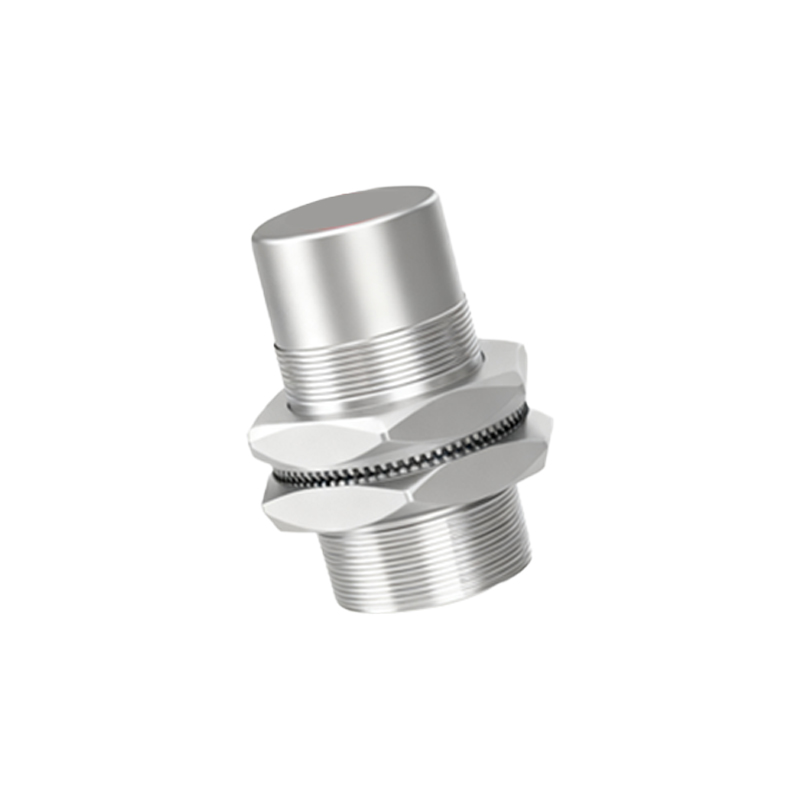
Several primary types of proximity sensors dominate the market, each with distinct advantages. Inductive proximity sensors are champions in metal detection. They generate an oscillating electromagnetic field and detect eddy current losses induced in a metallic target. Their robustness against contaminants like dirt, chips, and coolants makes them ideal for machine tools and heavy machinery. Capacitive sensors, on the other hand, can detect both metallic and non-metallic materials—plastic, wood, liquid, or granules—by measuring changes in capacitance. This versatility is invaluable in packaging, food processing, and material handling. Ultrasonic sensors use sound waves to detect objects and measure distance, excelling in applications requiring precise level control or detection of transparent or variably colored objects. Finally, photoelectric sensors employ light beams, offering very long sensing ranges and high speed, perfect for logistics and assembly line verification.
Why Proximity Sensors Are Considered "Easy to Use"
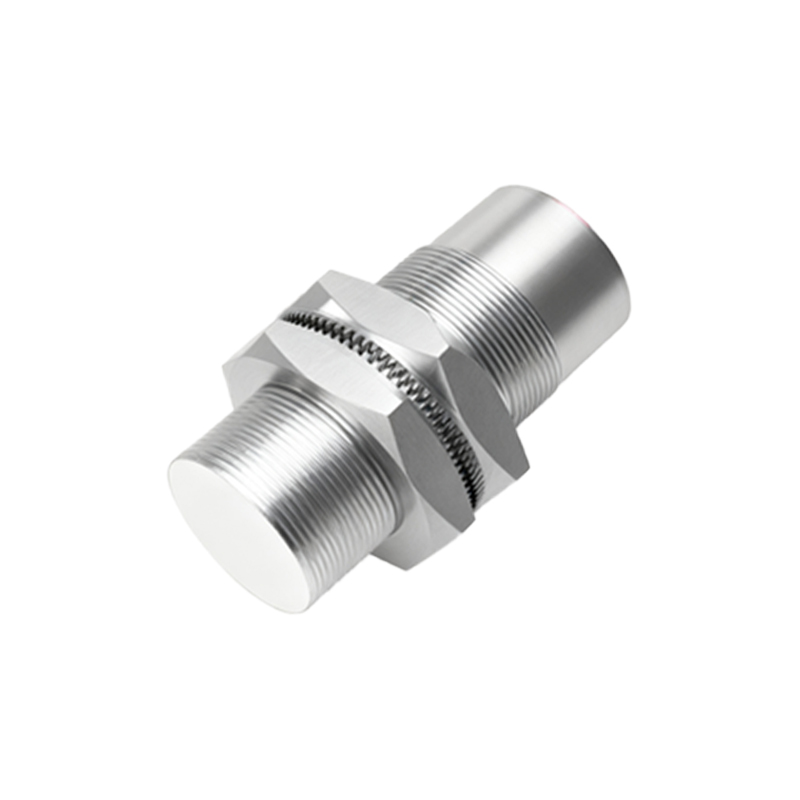
The designation "user-friendly" is well-earned by modern proximity sensors. Firstly, their installation and setup are typically straightforward. Many models feature standardized housing designs (e.g., cylindrical M8, M12, M18, M30) that fit into common industrial mounting brackets. Wiring is simplified with pre-wired connectors or quick-disconnect systems, often adhering to a standard brown (V+), blue (V-), and black (output) color code. Secondly, they are largely maintenance-free. With no moving parts to wear out and sealed housings (often rated IP67 or higher), they provide set-and-forget functionality. Thirdly, their output signals—whether NPN, PNP, analog, or IO-Link—are directly compatible with standard Programmable Logic Controllers (PLCs) and other control systems, requiring minimal signal conditioning.
Enhancing System Reliability and Safety
The reliability of proximity sensors directly translates to increased system uptime and enhanced safety. By providing accurate, repeatable detection, they prevent jams, misalignments, and collisions in automated systems. For instance, in robotic welding cells, inductive sensors ensure the gripper has correctly picked up a metal component before the weld cycle begins, preventing costly errors and potential damage. In safety-critical applications, specially designed safety-rated proximity sensors are used in conjunction with safety relays or controllers to create monitored safety circuits, such as checking that a guard door is securely closed before machine operation can commence. This proactive fault detection is crucial for protecting both personnel and capital equipment.
Economic Benefits and Return on Investment
While the initial purchase price is a factor, the total cost of ownership for high-quality proximity sensors is remarkably low, leading to a strong return on investment. Their durability reduces replacement frequency and associated labor costs. The prevention of machine downtime caused by sensor failure or inaccurate detection saves substantial revenue losses in high-volume production environments. Furthermore, their precision contributes to waste reduction and quality improvement. For example, a capacitive sensor accurately detecting the fill level in a bottle minimizes product giveaway, while a photoelectric sensor verifying label presence prevents mispackaged goods from reaching the customer, safeguarding brand reputation.
Selection Criteria for Optimal Performance
To truly leverage the "goodness" of a proximity sensor, correct selection for the specific application is essential. Engineers must consider several key parameters: the sensing distance (rated and effective), the target material and size, the required switching frequency (response speed), the environmental conditions (temperature, pressure, exposure to chemicals), the electrical requirements (voltage, output type), and the housing material and shape. Consulting manufacturer datasheets and application notes is critical. Often, the most "usable" sensor is not the most expensive one, but the one whose specifications most closely match the actual operating conditions without excessive over-engineering.
Future Trends and Smart Sensor Integration
The evolution of proximity sensors is tightly linked to Industry 4.0 and the Industrial Internet of Things (IIoT). Modern "smart" sensors now embed microprocess