Introduction to the 4a042e Proximity Sensor
The 4a042e represents a specific model within a broad category of inductive proximity switches, designed for reliable non-contact detection in demanding industrial environments. As a key component in automation and control systems, this sensor operates on the principle of electromagnetic induction. It generates an oscillating electromagnetic field from its active face. When a metallic target object enters this detection field, eddy currents are induced within the target, causing a change in the oscillation amplitude. The sensor's internal circuitry detects this change and triggers a solid-state switching output. This fundamental operating principle ensures high switching frequency, exceptional longevity due to the absence of mechanical contacts, and immunity to environmental factors like dust, oil, and moisture when properly housed.
Key Technical Specifications and Features
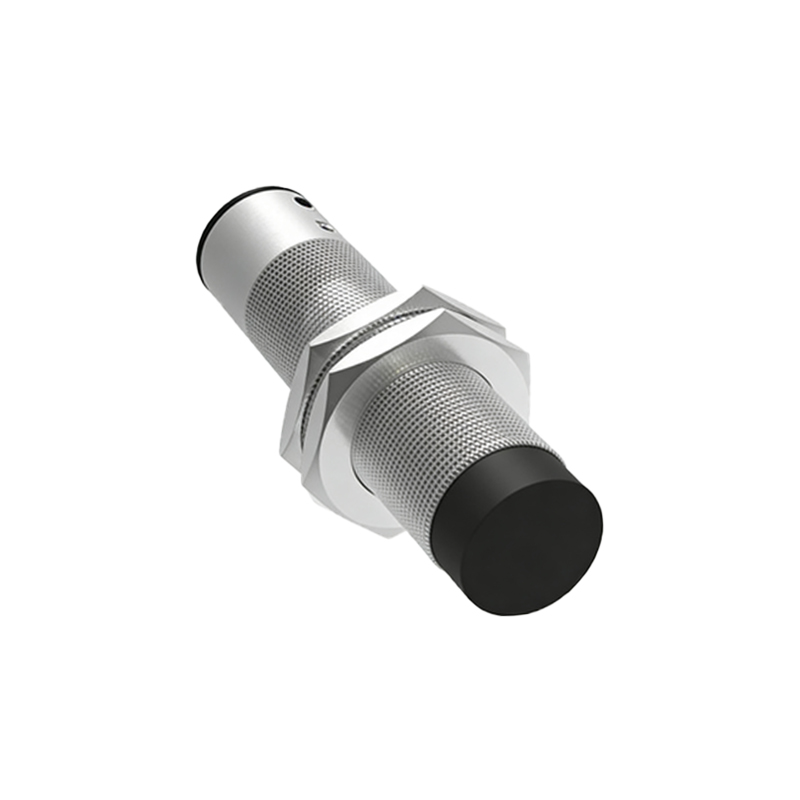
While exact specifications can vary by manufacturer, a typical 4a042e inductive proximity sensor offers a set of standardized features. It commonly operates on a DC supply voltage, often in the range of 10-30V DC, making it compatible with standard industrial control voltages. The output is typically a 3-wire configuration with a PNP (sourcing) or NPN (sinking) transistor output, capable of switching currents up to 200mA, sufficient to directly drive relays, PLC inputs, or small solenoids. Its sensing distance, or nominal range, is precisely defined (e.g., 2mm, 4mm, 8mm) and is a critical selection parameter. Key performance features include short-circuit and reverse polarity protection, LED status indication for power and output state, and a high degree of electromagnetic compatibility (EMC) to prevent interference in electrically noisy plant environments. The housing is usually constructed from nickel-plated brass or stainless steel, providing robust mechanical strength and corrosion resistance.
Installation and Wiring Considerations
Correct installation is paramount for optimal performance of the 4a042e sensor. Mounting must consider the sensor's flush or non-flush mounting capability. Flush-mountable sensors can be installed embedded in metal without loss of sensing range, while non-flush types require a clearance zone around the sensing face. The sensing face should be positioned parallel to the target surface for maximum range and repeatability. Wiring must adhere strictly to the datasheet: brown wire to positive DC supply, blue wire to common negative, and the black (or white) wire as the switched output load. For sensors in AC configurations, wiring differs accordingly. Proper cable routing, away from high-power lines, and the use of shielded cables in high-noise areas are recommended practices to ensure signal integrity and prevent false triggering.
Typical Industrial Application Scenarios
The 4a042e sensor finds extensive use across numerous industries due to its reliability. In automotive manufacturing, it is deployed for part presence verification on conveyor lines, robotic arm end-position detection, and tooling fixture confirmation. Within packaging machinery, it counts metallic items, controls filling levels by detecting pistons or rams, and verifies cap or lid placement. On metalworking CNC machines, these sensors serve as limit switches for axis travel, tool changer position feedback, and workpiece clamping confirmation. Material handling systems utilize them for pallet positioning, elevator level control, and detecting the presence of metal containers or racks. Its robustness makes it suitable for harsh environments like steel mills or foundries, where it monitors the position of rollers, cranes, and transfer cars.
Troubleshooting and Maintenance Guidelines
Despite their durability, proximity sensors can encounter issues. Common problems include failure to detect targets, which may be caused by an incorrect sensing distance, a target material that is non-ferrous or too thin, or physical damage to the sensing face. Constant output activation can result from sensor overload, wiring faults, or metallic debris adhering to the face. Intermittent operation often points to loose connections, supply voltage fluctuations, or severe electrical noise. Maintenance is generally minimal but should include regular visual inspections for physical damage and cleaning of the sensing face to remove oil, metal chips, or buildup. Diagnostic tools like a multimeter to check supply voltage and output switching, or a simple metal target to test response, are essential for field troubleshooting. Always refer to the manufacturer's specific documentation for the 4a042e model in use.
Selection Criteria and Comparison
Selecting the correct 4a042e variant involves several factors. First, determine the target material (steel, aluminum, brass) as this affects the effective sensing range; correction factors apply for non-ferrous metals. The required sensing distance should be chosen with a safety margin. The output type (PNP/NPN) must match the input circuit of the controller (PLC).