Introduction to HPA Photoelectric Sensors
HPA photoelectric sensors represent a cornerstone technology in modern industrial automation and control systems. These devices operate on the fundamental principle of converting light signals into electrical signals to detect the presence, absence, or position of objects without physical contact. The "HPA" designation often refers to specific series or models known for high performance and adaptability in challenging environments. Their core mechanism involves an emitter, which projects a light beam—typically infrared, visible red, or laser—and a receiver that detects changes in this beam caused by an interrupting object. This non-contact detection method offers significant advantages over mechanical switches, including longer operational life, higher sensing speeds, and the ability to detect a wide variety of materials, from metals and plastics to glass and liquids. The reliability and versatility of HPA sensors make them indispensable in sectors ranging from packaging and material handling to automotive assembly and pharmaceutical production.
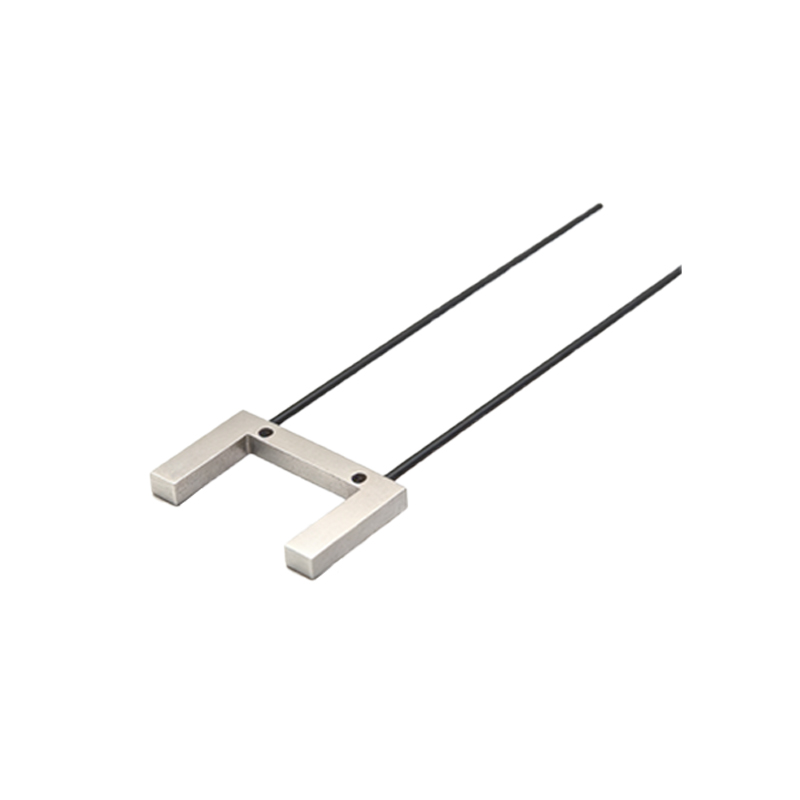
Key Operating Principles and Sensing Modes
The functionality of HPA photoelectric sensors is defined by three primary sensing modes: through-beam, retro-reflective, and diffuse (proximity). Through-beam sensors consist of separate, opposing emitter and receiver units. An object is detected when it breaks the light beam traveling from the emitter to the receiver. This mode offers the longest sensing ranges and highest reliability, as it is largely immune to object color, texture, or reflectivity. Retro-reflective sensors house both emitter and receiver in a single housing, using a reflector to bounce the light beam back. Detection occurs when an object interrupts this reflected beam. These sensors are easier to install than through-beam types but may be confused by highly reflective objects. Diffuse sensors also have a combined emitter and receiver, but they detect light reflected directly off the target object itself. While offering the simplest installation with only one device to mount, their sensing range and performance are influenced by the object's color, size, and surface properties. Advanced HPA models often incorporate background suppression or foreground suppression technologies to mitigate these effects.
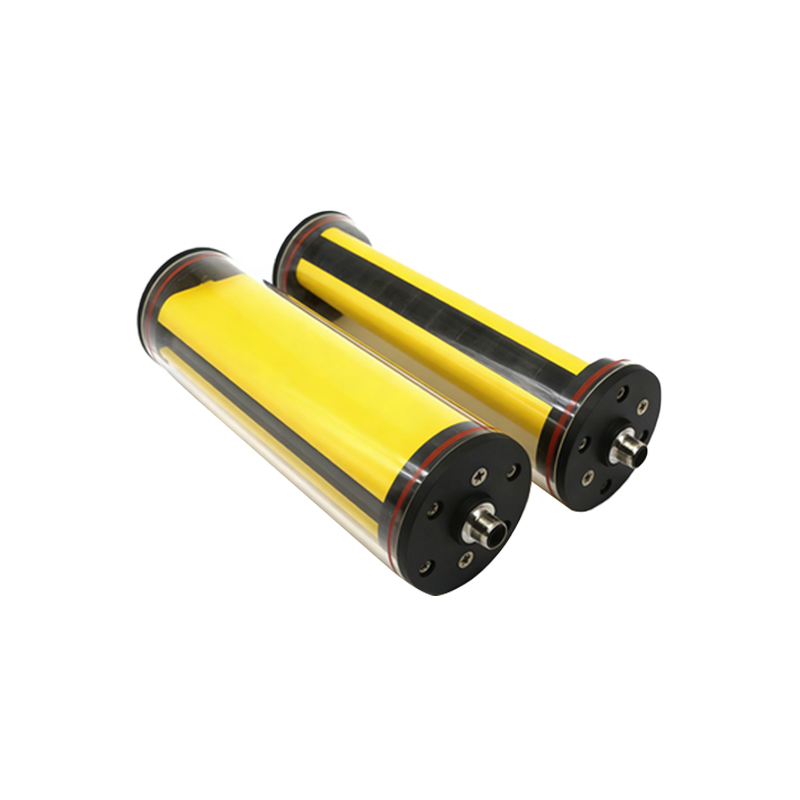
Critical Technical Specifications and Selection Criteria
Selecting the appropriate HPA photoelectric sensor requires careful analysis of application parameters. Key specifications include sensing range, which varies dramatically between modes; response time, critical for high-speed production lines; light source type (e.g., modulated infrared for immunity to ambient light); and output configuration (PNP/NPN transistor, analog, or IO-Link). Environmental durability is paramount. Industrial-grade HPA sensors are characterized by robust housing materials (often metal or high-grade plastic), high Ingress Protection (IP) ratings (like IP67 or IP69K) for resistance to dust and water, and wide operating temperature ranges. Electrical characteristics such as supply voltage (commonly 10-30V DC) and current consumption must match the control system. Furthermore, features like adjustable sensitivity, teach-in functionality for easy setup, and built-in diagnostics (often indicated by LED status lights) greatly enhance usability and reduce downtime. Understanding the specific demands of the detection task—target size, required precision, ambient conditions, and required interface—is essential for optimal sensor selection.
Advanced Features and Smart Sensor Capabilities
The evolution of HPA photoelectric sensors has been marked by increasing intelligence and connectivity. Modern units frequently integrate advanced functionalities that transcend simple on/off detection. Analog output sensors provide a continuous signal proportional to the received light intensity, enabling applications like edge guiding, web break detection, or fill level monitoring. Sensors with IO-Link communication, a point-to-point serial protocol, offer immense value by enabling parameter setting, real-time process data monitoring, and detailed diagnostic information (e.g., signal strength, operating hours, temperature) to be sent directly to the controller. This facilitates predictive maintenance and seamless integration into Industry 4.0 frameworks. Other sophisticated features include precise background suppression for accurate detection at a defined distance regardless of object color, polarized filters for reliable detection of shiny objects, and synchronized operation in dense installations to prevent crosstalk between adjacent sensors.
Common Industrial Applications and Use Cases
HPA photoelectric sensors find utility in a vast array of automation scenarios. In packaging machinery, they are used for label detection, cap presence verification on bottles, and carton counting on conveyors. Automotive manufacturing lines rely on them for robot guidance, part positioning in welding stations, and verifying component assembly. In the material handling sector, they control pallet height, detect jams on conveyor belts, and manage sorting systems. Pharmaceutical and food & beverage industries utilize them for transparent object detection (like vials or glass bottles), liquid level sensing in tanks, and ensuring proper tamper-evident seal application. Their ability to perform in harsh conditions—withstanding vibrations, washdowns with corrosive chemicals, and extreme temperatures—makes them suitable for foundries, woodworking, and outdoor logistics applications. The specific model chosen, whether a miniature sensor for tight spaces or a rugged long-range device, is dictated by these unique operational challenges.
Installation, Alignment, and Maintenance Best Practices
Proper installation is critical for the reliable performance of HPA photoelectric sensors. Mounting must be secure to prevent misalignment from vibration. For through-beam and retro-reflective types, precise alignment of the emitter, receiver, and reflector is necessary, often aided by alignment indicators or visible red light beams. The sensor should be positioned to avoid optical interference from ambient light sources, reflective backgrounds, or dust accumulation on the lens. Regular maintenance involves keeping the lens clean and free of obstructions, checking mounting stability, and verifying electrical connections. Utilizing sensors with robust housings and high IP ratings minimizes maintenance needs in dirty environments. Diagnostic LEDs greatly simplify troubleshooting by indicating power status, output activation, and signal strength. Adhering to these practices ensures maximum sensor lifespan, reduces false triggers, and maintains consistent system uptime, thereby protecting the investment in automation infrastructure.