Understanding Photoelectric Sensor Fundamentals
Photoelectric sensors are widely used in industrial automation for detecting the presence, absence, or distance of objects. They operate by emitting a light beam—typically infrared, visible red, or laser—from a transmitter and receiving the reflected or transmitted light with a receiver. The sensor's output signal changes based on the received light intensity. This principle makes them highly effective but also susceptible to external factors, with ambient light being a primary concern. The core challenge lies in distinguishing the sensor's own emitted light from the surrounding environmental light, which can introduce noise and cause false triggering or missed detections.
Types of Ambient Light Interference
Ambient light interference can be categorized into two main types: constant and variable. Constant ambient light, such as indoor ceiling lighting or sunlight through windows, provides a steady background illumination. While it can saturate the receiver if too intense, it is often easier to compensate for using electrical filtering or threshold adjustments. Variable ambient light, like flashing indicator lights, moving shadows, or sunlight broken by passing clouds, poses a greater risk. These rapid changes can mimic the sensor's modulated signal, leading to erratic behavior. Industrial environments often contain multiple light sources, including high-bay LEDs, welding arcs, or vehicle headlights, each with distinct spectral characteristics and modulation frequencies that may overlap with the sensor's operating range.
Impact on Different Sensing Modes
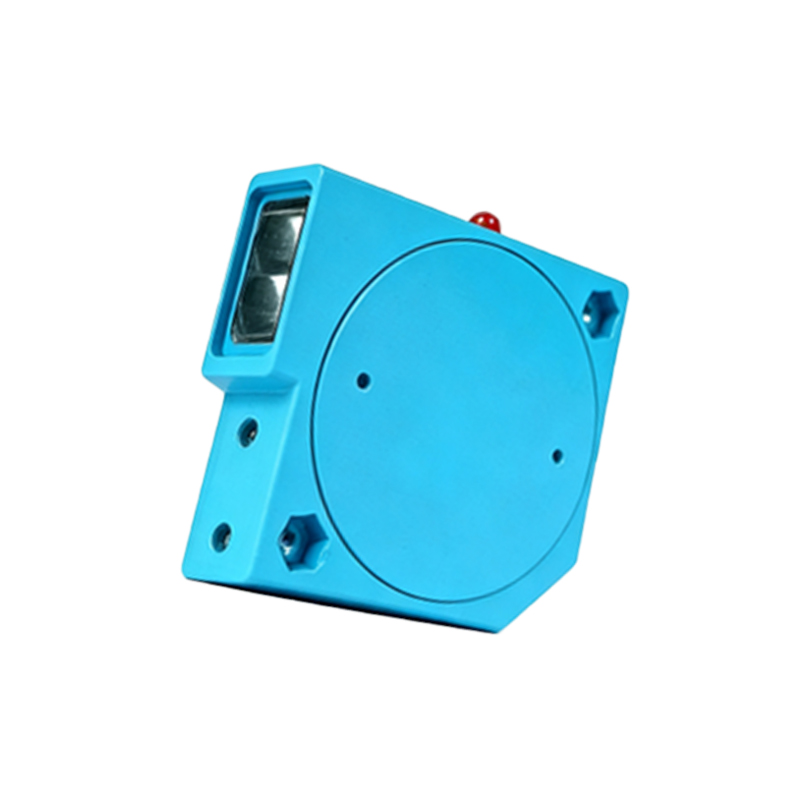
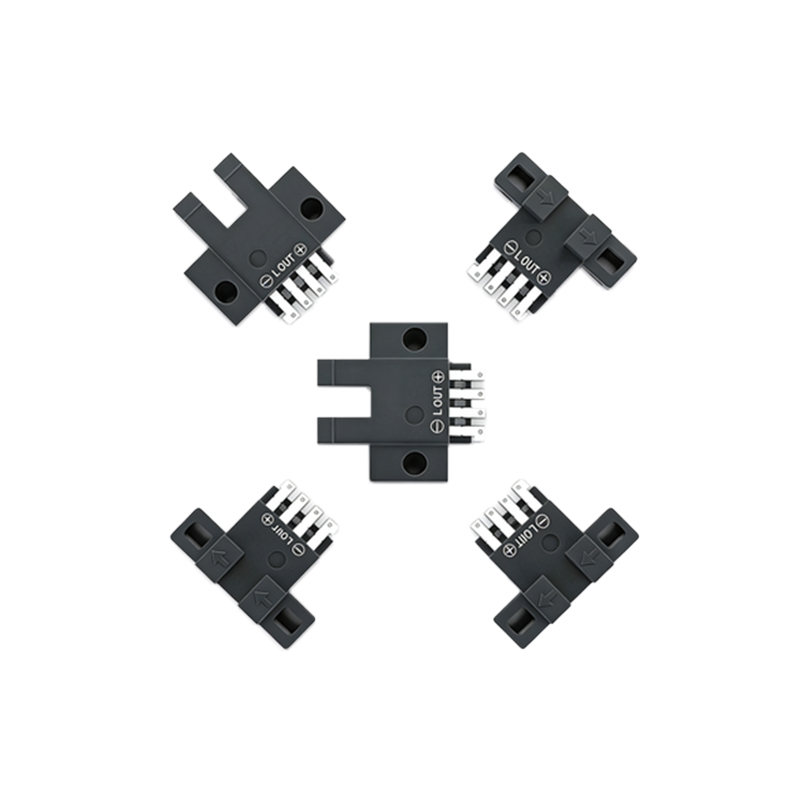
The effect of ambient light varies significantly across the three primary photoelectric sensing modes: through-beam, retro-reflective, and diffuse. In through-beam sensors, where the transmitter and receiver are separate units, ambient light rarely causes issues unless it directly shines into the receiver lens at an intensity overwhelming the emitted beam. Retro-reflective sensors, which use a reflector to bounce light back, can be disrupted by ambient light reflecting off shiny surfaces in the background, creating false returns. Diffuse (proximity) sensors are the most vulnerable, as they rely on detecting light scattered off the target object. Here, ambient light reflecting from the target or background can easily be mistaken for the sensor's own signal, especially with light-colored or reflective targets.
Technical Mitigation Strategies
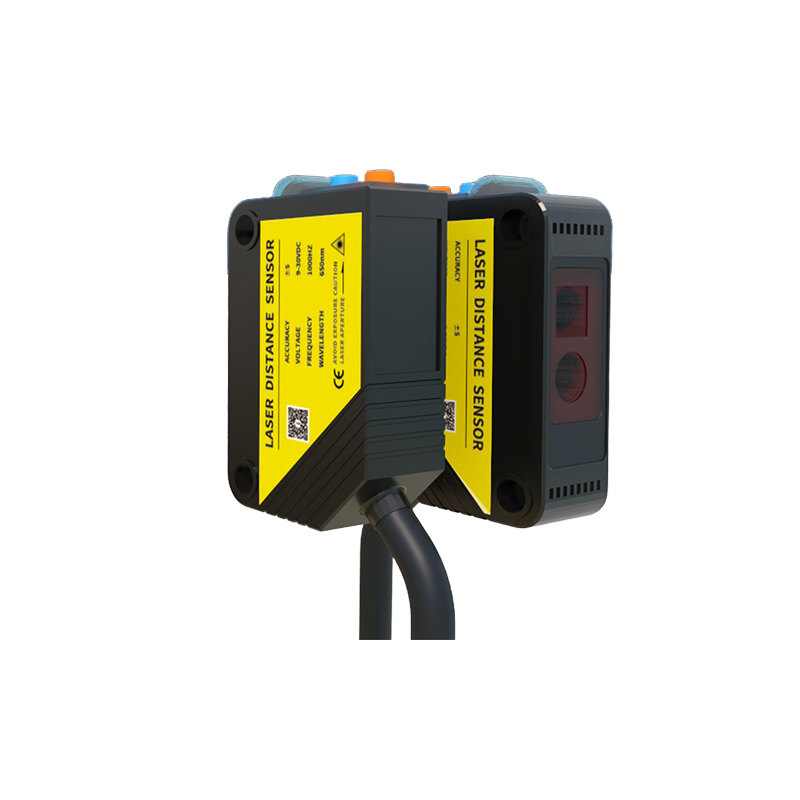
Manufacturers employ several advanced techniques to minimize ambient light interference. Modulation is the most common method, where the emitted light is pulsed at a specific high frequency (often in the kHz range). The receiver circuit is then tuned to respond only to light modulated at that exact frequency, effectively filtering out constant or differently modulated ambient light. Optical filtering, using lenses or coatings that only pass the wavelength of the emitted light (e.g., 880 nm infrared), blocks visible ambient light. Additionally, sophisticated sensors incorporate digital algorithms and automatic gain control (AGC) to dynamically adjust sensitivity based on the ambient light level, ensuring stable operation from dark warehouses to sunlit loading docks.
Installation and Environmental Best Practices
Proper installation is crucial for mitigating ambient light effects. Sensors should be positioned so that their lenses are not directly facing bright light sources like windows or lamps. Using physical barriers, shrouds, or tubular housings can block stray light from entering the receiver. For outdoor applications, protective sunshades are essential. Selecting the right sensor type for the environment is also key; for instance, using a through-beam instead of a diffuse sensor in a brightly lit area, or choosing a laser-based sensor with a highly collimated beam for long-range applications where sunlight is present. Regularly cleaning the lens to prevent dust accumulation, which can scatter ambient light, is a simple yet vital maintenance task.
Conclusion and Industry Outlook
While ambient light can indeed affect photoelectric sensors, modern designs have become remarkably robust through modulation, filtering, and intelligent electronics. The impact is manageable with correct sensor selection, proper installation, and an understanding of the specific environmental conditions. As Industry 4.0 advances, sensors are incorporating more adaptive features, such as ambient light monitoring and self-diagnostic capabilities that alert users to potential interference issues. The ongoing development of sensors with narrower spectral bands and advanced signal processing continues to push the boundaries of reliability, ensuring photoelectric sensors remain a cornerstone of industrial automation even in challenging lighting conditions.