Introduction to Fast Response Photoelectric Sensors
Fast response photoelectric sensors are pivotal components in modern industrial automation, designed to detect objects with exceptional speed and precision. These sensors operate by emitting a light beam—typically infrared, visible red, or laser—and measuring the reflection or interruption to identify presence, position, or movement. Their rapid detection capabilities, often in the microsecond range, make them indispensable for high-speed manufacturing lines, packaging systems, and robotic applications where timing is critical. Unlike traditional mechanical switches, they offer non-contact sensing, reducing wear and tear and ensuring long-term reliability. The core principle involves a transmitter and receiver; when the light path is altered by an object, the sensor triggers an output signal almost instantaneously. This immediate feedback allows for real-time control and monitoring, enhancing overall system responsiveness and productivity.
Key Technologies and Operating Principles
The high-speed performance of these sensors is driven by advanced technologies such as modulated LED light sources, high-sensitivity receivers, and integrated signal processing circuits. Modulated light, often at specific frequencies, helps eliminate interference from ambient light, ensuring accurate detection even in challenging environments. Sensors are categorized into three main types: through-beam, retro-reflective, and diffuse reflective. Through-beam sensors consist of separate emitter and receiver units, offering the longest detection ranges and fastest response times due to direct light transmission. Retro-reflective models use a reflector to bounce light back to the receiver, providing a balance of speed and ease of installation. Diffuse reflective sensors detect objects by measuring scattered light, suitable for close-range applications with varying surface properties. Additionally, background suppression and foreground suppression features enable precise sensing by ignoring distant or irrelevant objects, further optimizing response speed.
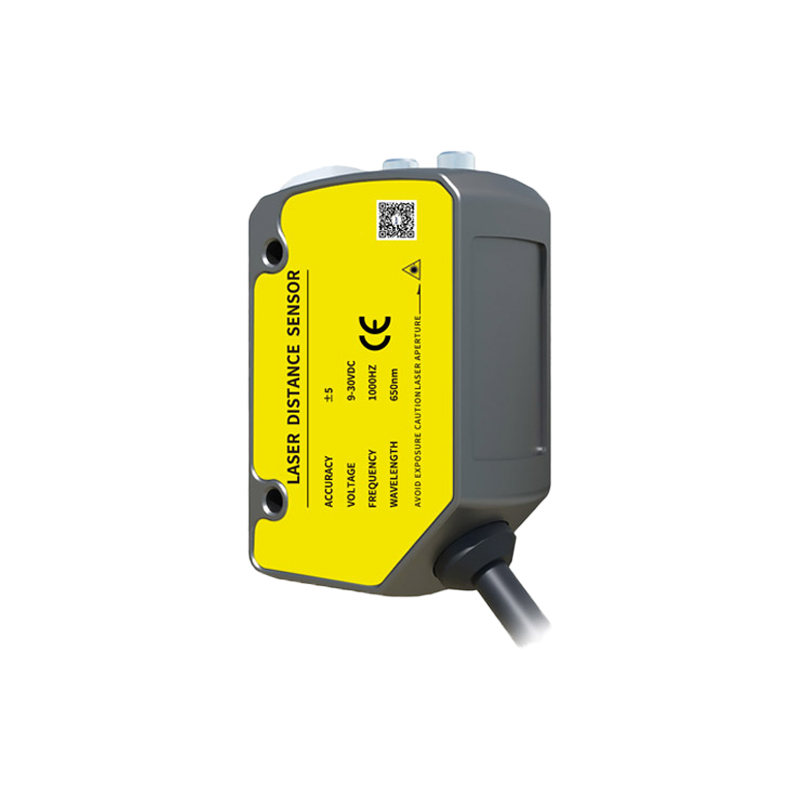
Applications in Industrial Automation
In industrial settings, fast response photoelectric sensors are deployed across diverse sectors to streamline operations. On assembly lines, they detect minute components at high velocities, ensuring proper placement and reducing errors. In packaging machinery, they monitor product flow, trigger sealing mechanisms, and verify label positions with split-second accuracy. Robotics heavily rely on these sensors for object recognition, collision avoidance, and precise positioning, enabling agile and safe automation. The electronics industry utilizes them for PCB inspection and component counting, where rapid detection prevents bottlenecks. Moreover, in material handling systems, sensors facilitate sorting, conveyor control, and inventory management by quickly identifying items based on size or color. Their ability to operate in harsh conditions—such as extreme temperatures, dust, or moisture—makes them versatile for automotive, pharmaceutical, and food processing industries, where hygiene and durability are paramount.
Advantages Over Conventional Sensors
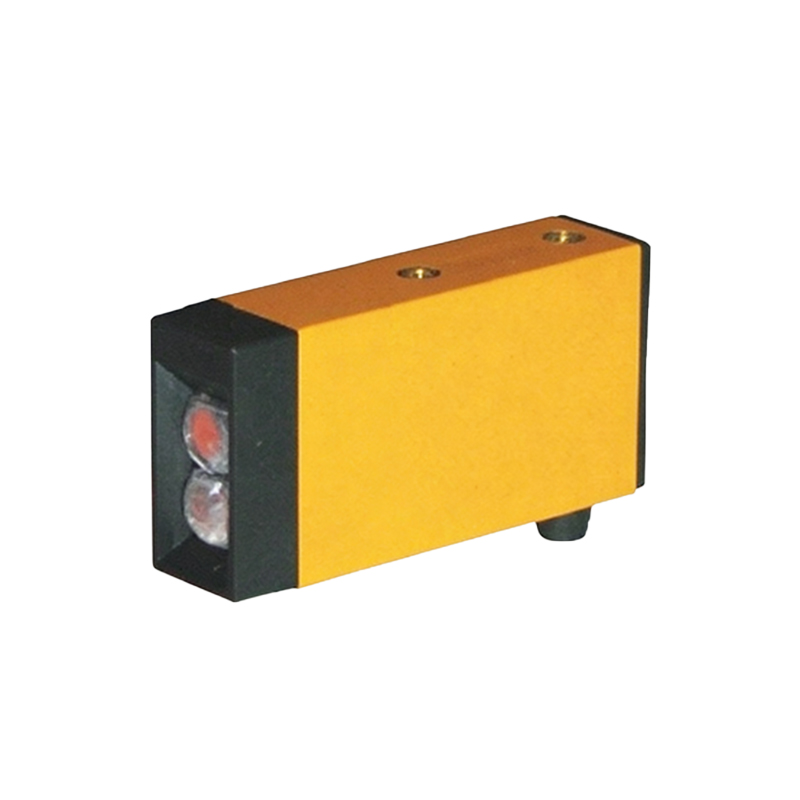
Compared to mechanical or slower photoelectric sensors, fast response variants offer significant benefits. Their non-contact nature eliminates physical degradation, leading to lower maintenance costs and extended service life. The microsecond-level response time enhances system throughput, allowing machines to operate at higher speeds without compromising safety or accuracy. Energy efficiency is another advantage, as many models feature low-power consumption designs and automatic shut-off functions. Furthermore, these sensors provide consistent performance regardless of object material—whether metal, plastic, or glass—thanks to adjustable sensitivity settings. Integration with industrial networks like IO-Link, Ethernet/IP, or PROFINET enables seamless data exchange, supporting predictive maintenance and smart factory initiatives. By reducing downtime and improving precision, they contribute to lean manufacturing goals and overall cost savings.
Selection Criteria and Installation Tips
Choosing the right fast response photoelectric sensor requires careful consideration of application needs. Key factors include sensing distance, response time, light source type, and environmental resistance. For long-range detection, through-beam sensors with laser diodes are ideal, while diffuse models suit short-range tasks. Response time specifications, often listed in datasheets, should align with process speed requirements to avoid delays. Enclosure ratings like IP67 or IP69K ensure protection against water and dust in demanding settings. During installation, proper alignment is crucial for optimal performance; misalignment can cause false triggers or missed detections. Regular calibration and cleaning of lenses prevent buildup from contaminants like oil or debris. It's also advisable to test sensors under actual operating conditions to verify reliability and adjust settings as needed. Consulting manufacturer guidelines and leveraging technical support can help tailor solutions for specific challenges.
Future Trends and Innovations
The evolution of fast response photoelectric sensors is closely tied to advancements in Industry 4.0 and IoT. Emerging trends include miniaturization, allowing sensors to fit into compact spaces without sacrificing speed. Enhanced connectivity options, such as wireless and cloud integration, enable remote monitoring and analytics for proactive decision-making. Smart sensors with embedded diagnostics can self-detect issues like lens fouling or alignment drift, alerting operators before failures occur. Additionally, the development of multi-functional sensors that combine photoelectric sensing with other technologies—like temperature or pressure measurement—offers comprehensive monitoring in a single device. Research into new light sources, such as VCSELs (Vertical-Cavity Surface-Emitting Lasers), promises even faster response times and higher accuracy. As automation becomes more pervasive, these innovations will drive efficiency, safety, and adaptability in global industries.