Introduction to Proximity Sensing Technology
Proximity sensors are essential components in modern automation and control systems, designed to detect the presence or absence of an object without physical contact. Small proximity sensors, in particular, have gained widespread adoption due to their compact size, high reliability, and versatility in space-constrained applications. These sensors operate on various principles, each suited to specific environmental conditions, target materials, and performance requirements. From manufacturing assembly lines to consumer electronics, small proximity sensors enable precise detection, positioning, and counting tasks, contributing to enhanced efficiency and safety. Understanding the different types available is crucial for selecting the optimal sensor for any given application, ensuring both cost-effectiveness and operational excellence.
Inductive Proximity Sensors
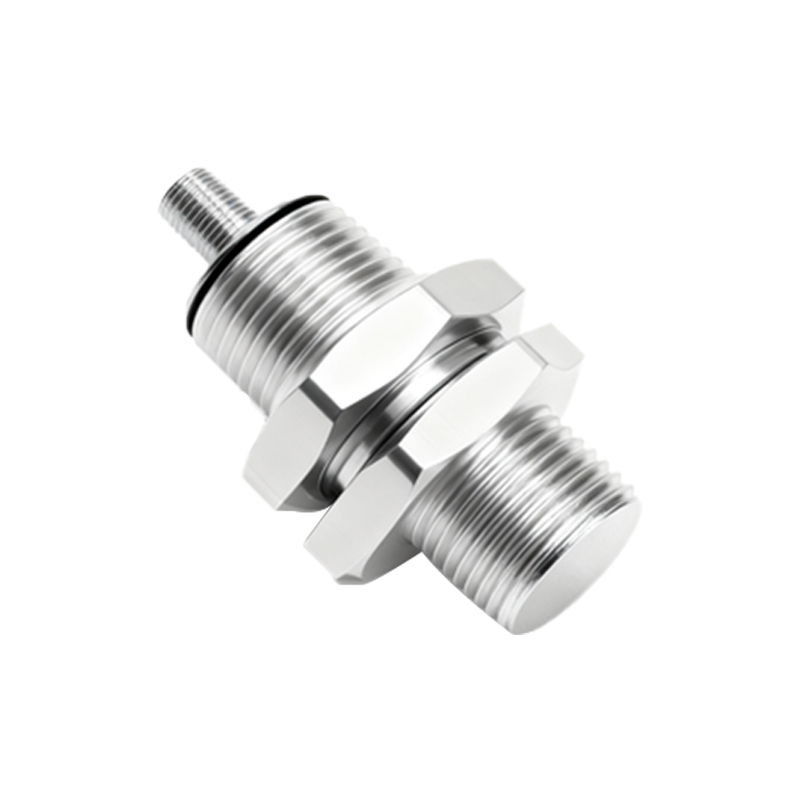
Inductive proximity sensors are among the most common types, primarily used to detect metallic objects. They generate an electromagnetic field and sense changes caused by eddy currents induced in a conductive target. These sensors are highly durable, resistant to environmental factors like dust or moisture, and offer fast response times. Typical sensing ranges vary from a few millimeters to several centimeters, with smaller models being ideal for tight spaces. Inductive sensors are further categorized into shielded (flush-mountable) and unshielded versions, with shielded types providing more precise detection in metallic environments. Common applications include position sensing in machinery, part detection on conveyor belts, and safety interlocks. Their inability to detect non-metallic materials is a key limitation, but this specificity ensures minimal interference from surrounding objects.
Capacitive Proximity Sensors
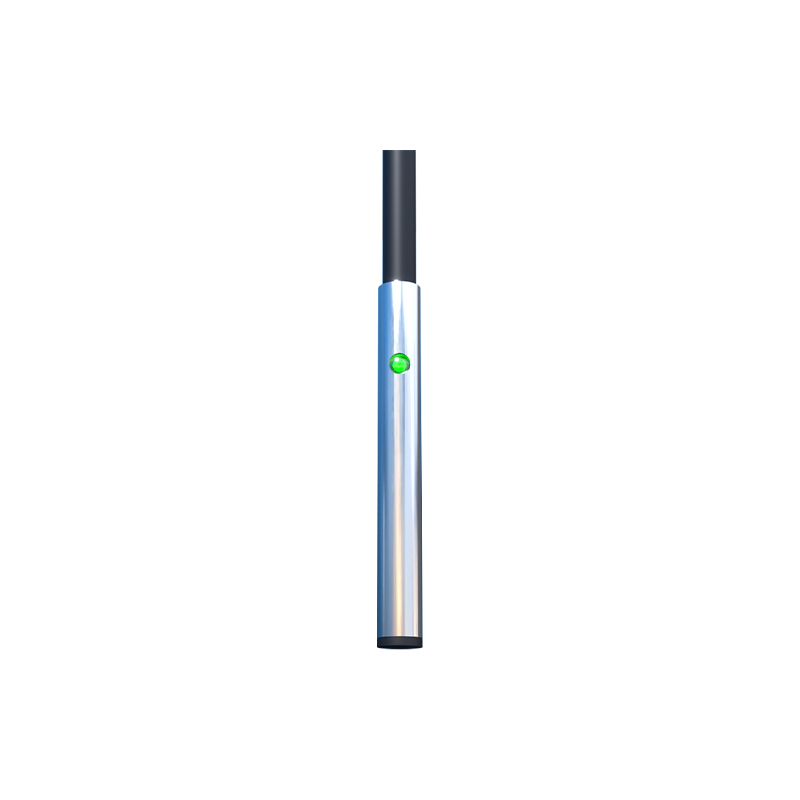
Capacitive proximity sensors can detect both metallic and non-metallic materials, including liquids, plastics, and glass, by measuring changes in capacitance. They generate an electrostatic field and respond to alterations in dielectric properties when an object enters the sensing zone. These sensors are adjustable in sensitivity, allowing them to ignore certain materials or backgrounds. Small capacitive sensors are often employed in level detection for containers, material handling systems, and touch-sensitive interfaces. However, they can be influenced by environmental factors like humidity or temperature, requiring careful calibration. Their versatility makes them suitable for diverse industries, from packaging to food processing, where non-metallic object detection is essential.
Photoelectric Proximity Sensors
Photoelectric sensors use light beams—typically infrared, visible, or laser—to detect objects. They consist of an emitter and a receiver, with variations including through-beam, retro-reflective, and diffuse reflective types. Small photoelectric sensors offer long sensing ranges, high accuracy, and the ability to sense virtually any material. Through-beam models provide the longest range and highest reliability by separating emitter and receiver, while diffuse reflective types are compact and integrate both components. Applications include object counting, edge detection in printing, and presence sensing in automated systems. Factors like ambient light, color, and surface reflectivity can affect performance, but advanced models incorporate filters or modulated light to mitigate interference.
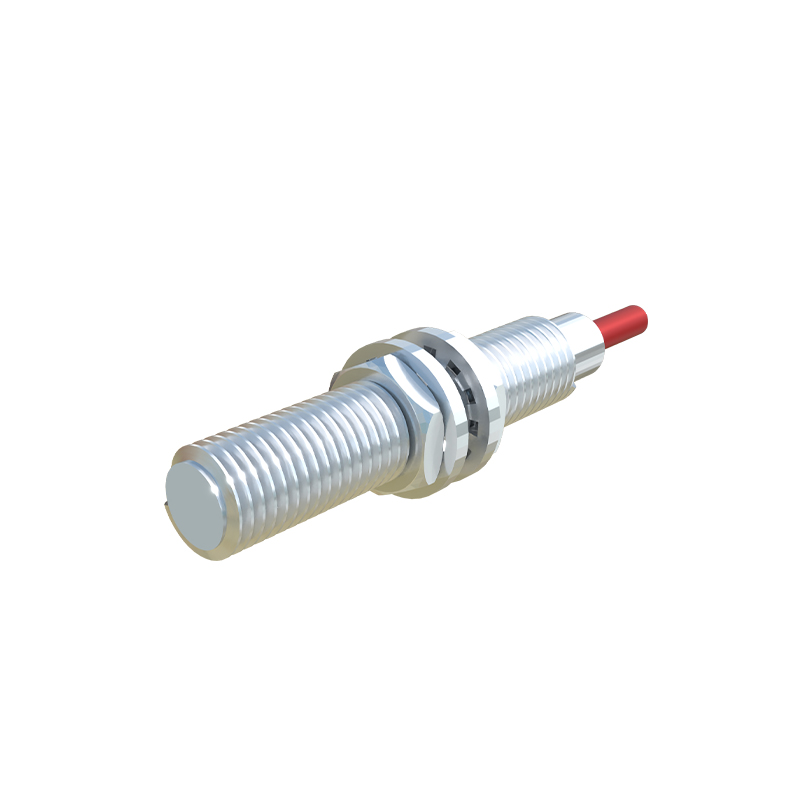
Ultrasonic Proximity Sensors
Ultrasonic sensors operate by emitting high-frequency sound waves and measuring the time taken for echoes to return from an object. They excel at detecting a wide range of materials, regardless of color or transparency, and are effective in challenging environments with dust, smoke, or vapors. Small ultrasonic sensors provide precise distance measurement and can handle complex surfaces. Common uses include liquid level control, obstacle detection in robotics, and palletizing systems. Limitations include potential interference from soft materials that absorb sound or turbulent airflows, but their non-contact nature and robustness make them valuable in industrial settings.
Magnetic Proximity Sensors
Magnetic proximity sensors, such as reed switches or Hall effect sensors, detect magnetic fields generated by permanent magnets or electromagnets. They are highly reliable, consume minimal power, and operate effectively in harsh conditions like extreme temperatures or vibrations. Small magnetic sensors are often used in position sensing for cylinders, door/window security systems, and rotational speed monitoring. Hall effect sensors, in particular, offer digital or analog outputs and are integral to brushless DC motors and automotive applications. Their specificity to magnetic targets ensures immunity to non-magnetic contaminants, though proper magnet alignment is critical for optimal performance.
Selection Criteria and Application Considerations
Choosing the right small proximity sensor involves evaluating several factors: sensing range, target material, environmental conditions, output type (e.g., NPN/PNP, analog/digital), and mounting requirements. Inductive sensors are best for metals in dirty environments, while capacitive sensors handle diverse materials but may need tuning. Photoelectric sensors offer flexibility but require clear optical paths, and ultrasonic sensors suit non-contact distance measurement. Magnetic sensors are ideal for high-reliability, low-power scenarios. Engineers