Introduction to Photoelectric Sensors in Treadmills
Photoelectric sensors are critical components in modern treadmills, primarily used for speed detection and safety monitoring. These sensors operate by emitting a light beam, typically from an infrared LED, toward a photodetector. When the treadmill belt moves, a slotted disk or encoder attached to the roller interrupts this beam, generating a series of pulses. The frequency and pattern of these pulses directly correlate to the belt's speed and direction. This non-contact measurement method ensures high accuracy and durability, as there is no physical wear between components. In fitness equipment, such sensors provide real-time data to the console, enabling precise control of workout parameters and enhancing user safety by detecting sudden stops or irregularities.
Types of Output Signals Generated
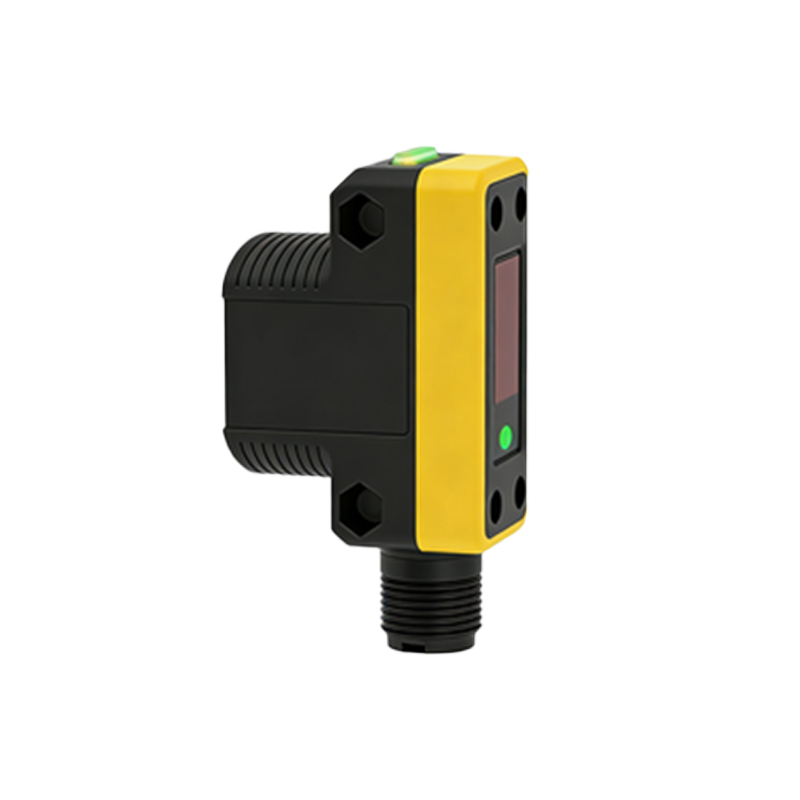
Treadmill photoelectric sensors commonly produce digital output signals, which are easier to interface with microcontrollers and display units. The primary types include pulse signals and encoded signals. Pulse signals are simple on-off transitions, where each interruption of the light beam creates a single pulse. The pulse frequency increases with belt speed, allowing the system to calculate velocity. Encoded signals, often from quadrature encoders, provide two channels of pulses (Channel A and B) that are 90 degrees out of phase. This setup not only measures speed but also determines the direction of belt movement—crucial for preventing reverse motion that could cause accidents. Analog output signals are less common but may be used in advanced systems for continuous speed monitoring.
Signal Characteristics and Parameters
The output signals from these sensors exhibit specific electrical characteristics. Typically, the voltage levels range from 5V to 24V DC, depending on the treadmill's design. Pulse width and duty cycle are key parameters; a standard pulse might have a width of 10 microseconds with a 50% duty cycle at moderate speeds. The signal frequency can vary from a few Hz at low speeds to several kHz during high-speed runs. Noise immunity is vital, as treadmills generate electromagnetic interference from motors. Sensors often include shielding and filtering circuits to ensure clean signal transmission. Understanding these parameters helps in troubleshooting issues like erratic speed readings or console errors.
Integration with Treadmill Control Systems
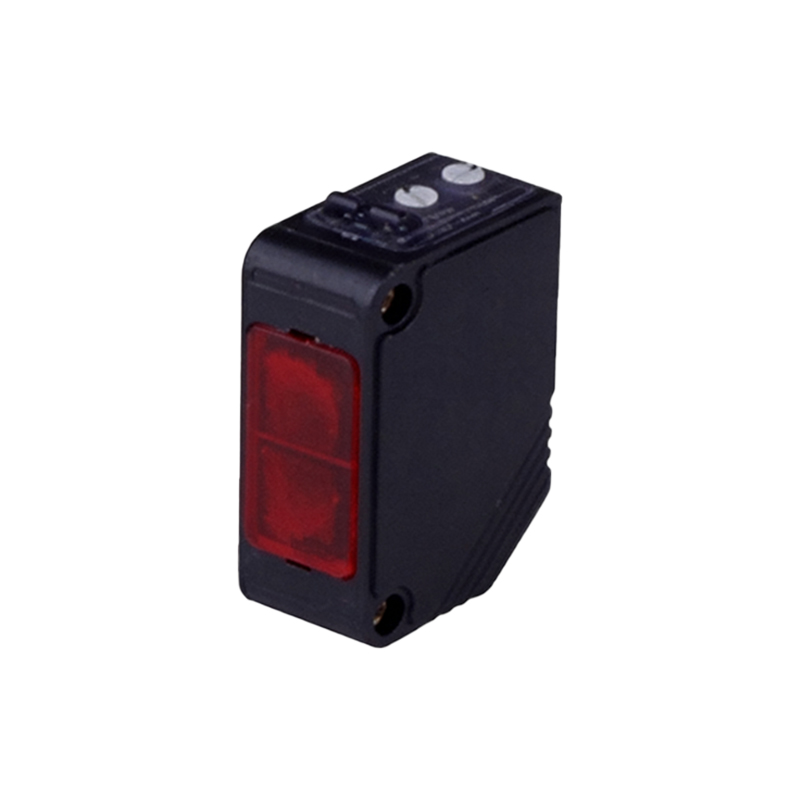
Integrating photoelectric sensor outputs into the treadmill's control system involves signal conditioning and processing. The raw pulses are first amplified and filtered to remove noise. A microcontroller then counts the pulses over a set time interval to compute speed. For encoded signals, a dedicated decoder chip or software algorithm interprets the phase relationship between channels. This data is sent to the console for display and used in feedback loops to adjust motor speed via PWM (Pulse Width Modulation) controllers. Safety features, such as automatic shutdown if no pulses are detected (indicating a stopped belt), rely on continuous signal monitoring. Proper integration ensures smooth operation and accurate performance metrics.
Common Issues and Troubleshooting Tips
Despite their reliability, photoelectric sensors can encounter problems. Dust accumulation on the LED or photodetector may weaken the signal, leading to inaccurate speed readings. Regular cleaning with a soft cloth is recommended. Electrical issues like loose connections or damaged wires can cause intermittent signals; checking continuity and securing connectors often resolves this. If the sensor fails entirely, testing with an oscilloscope can verify pulse generation. Replacing a faulty sensor usually involves aligning the emitter and detector precisely to maintain optimal beam interruption. Additionally, environmental factors like bright ambient light might interfere with infrared sensors—ensuring proper enclosure minimizes this risk.
Future Trends in Sensor Technology
Advancements in photoelectric sensor technology are enhancing treadmill functionality. Smart sensors with integrated microprocessors can self-calibrate and diagnose faults, reducing maintenance needs. Wireless sensor systems eliminate wiring hassles and improve flexibility in treadmill design. The integration of IoT (Internet of Things) allows real-time data logging to cloud platforms for performance analysis and predictive maintenance. Furthermore, developments in materials are leading to more compact and energy-efficient sensors, contributing to greener fitness equipment. As treadmills evolve with interactive features, reliable sensor output signals remain foundational for safety and user experience.