Introduction to Photoelectric Sensor Pricing
The cost of industrial components like photoelectric sensors is a critical consideration for system integrators and OEMs. Aoyu photoelectric sensors, known for their reliability in automation, present a pricing structure influenced by a complex matrix of technical and market factors. Unlike consumer goods, their price is not merely a reflection of material cost but a function of performance specifications, environmental resilience, and the economic scale of procurement. This article delves into the key determinants that shape the investment required for integrating Aoyu sensors into various industrial applications, providing a clear framework for budgeting and procurement decisions.
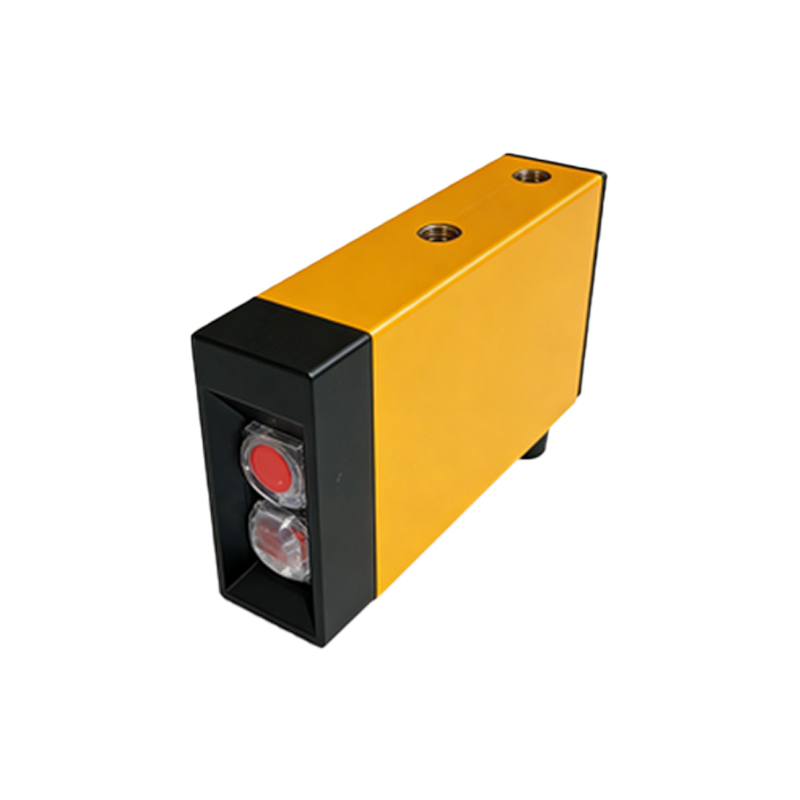
Core Technology and Performance Specifications
At the heart of the price differentiation for Aoyu sensors lies their core technology and performance metrics. Basic diffuse sensors with standard sensing ranges and switching frequencies are positioned at the entry-level price point. As specifications escalate—such as with background suppression models, precise fiber optic units, or long-range through-beam sensors—the price increases accordingly. Factors like sensing distance, response time (often in microseconds), light source type (red LED, laser, infrared), and output configuration (PNP/NPN, analog, IO-Link) directly correlate with cost. A sensor with a 10-meter range and sub-millisecond response for high-speed packaging will command a higher price than a general-purpose unit for basic detection.
Construction Quality and Environmental Ratings
The build quality and protective housing of a photoelectric sensor significantly impact its price. Aoyu sensors designed for harsh industrial environments feature robust casings from materials like stainless steel or high-grade plastics with specific ingress protection ratings, such as IP67 or IP69K. Sensors rated for extreme temperatures, high-pressure washdowns, or corrosive atmospheres involve more sophisticated sealing techniques and durable components, elevating manufacturing costs. This investment in durability translates to a higher purchase price but offers greater long-term value through reduced failure rates and maintenance needs in demanding applications like food processing or automotive manufacturing.
Industry-Specific Features and Certifications
Specialized features tailored for specific industries add another layer to the cost structure. For instance, sensors certified for use in explosive atmospheres (ATEX, IECEx) undergo rigorous testing and require unique design elements, increasing their price. Similarly, sensors with FDA-compliant materials for pharmaceutical applications or those with specific hygienic designs for the food and beverage sector involve additional compliance costs. The integration of advanced functionalities like teach-in capabilities, programmable logic, or sophisticated diagnostics (often found in smart sensors) also contributes to a premium price tag, justifying it with enhanced setup flexibility and reduced downtime.
Market Dynamics and Supply Chain Considerations
The price of Aoyu photoelectric sensors is also subject to broader market dynamics. Global raw material costs for electronics, such as chips and optical components, cause price fluctuations. Supply chain stability, logistics expenses, and regional import duties can create variance in pricing across different markets. Furthermore, the scale of purchase plays a crucial role; bulk orders for large-scale automation projects typically benefit from substantial volume discounts compared to single-unit purchases. The competitive landscape, with alternatives from brands like Sick, Omron, or Keyence, also pressures pricing, ensuring that Aoyu maintains a balance between features, quality, and cost-effectiveness.
Total Cost of Ownership and Value Proposition
Evaluating the price of an Aoyu sensor requires a perspective beyond the initial purchase order. The Total Cost of Ownership (TCO) encompasses installation ease, calibration time, operational reliability, and mean time between failures. A higher-priced, feature-rich sensor that prevents production line stoppages or reduces maintenance intervals often delivers a lower TCO. Aoyu's value proposition frequently lies in this balance—offering robust performance and reliability at a competitive price point, which minimizes unplanned downtime and maximizes return on investment for the end-user. This makes their sensors a cost-effective solution over the asset's lifecycle.
Procurement Strategies and Conclusion
To optimize expenditure on Aoyu photoelectric sensors, a strategic procurement approach is recommended. This involves clearly defining application requirements to avoid over-specification, engaging with authorized distributors for accurate quotes and technical support, and considering the benefits of standardized models across a facility. In conclusion, the price of an Aoyu photoelectric sensor is a synthesis of its technological capabilities, ruggedness, industry compliance, and market forces. Understanding these factors empowers engineers and purchasers to make informed decisions, selecting the optimal sensor that ensures both operational excellence and economic efficiency in their automation systems.