Introduction to Proximity Sensors in Mining
Proximity sensors are indispensable components in modern mining operations, designed to detect the presence or absence of objects without physical contact. These devices utilize various technologies, including inductive, capacitive, and ultrasonic methods, to monitor equipment and environmental conditions. In the harsh and demanding environment of mining, proximity sensors play a critical role in ensuring operational continuity, preventing equipment damage, and safeguarding personnel. Their ability to function reliably under extreme temperatures, high vibrations, and exposure to dust and moisture makes them particularly suited for mining applications. By providing real-time data on machinery position, material flow, and safety perimeters, these sensors contribute significantly to the automation and optimization of mining processes.
Key Technologies and Working Principles
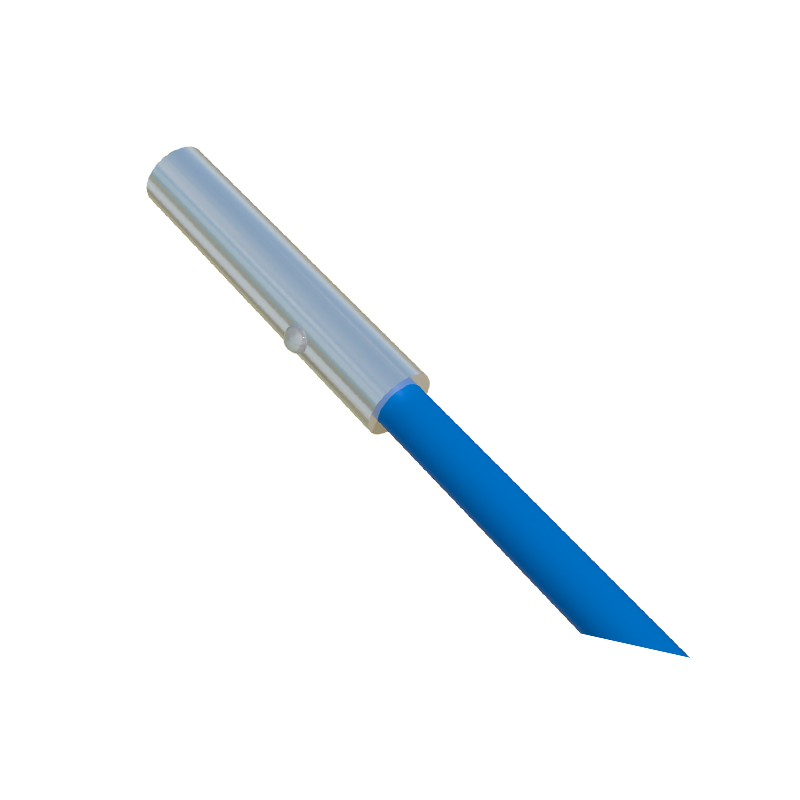
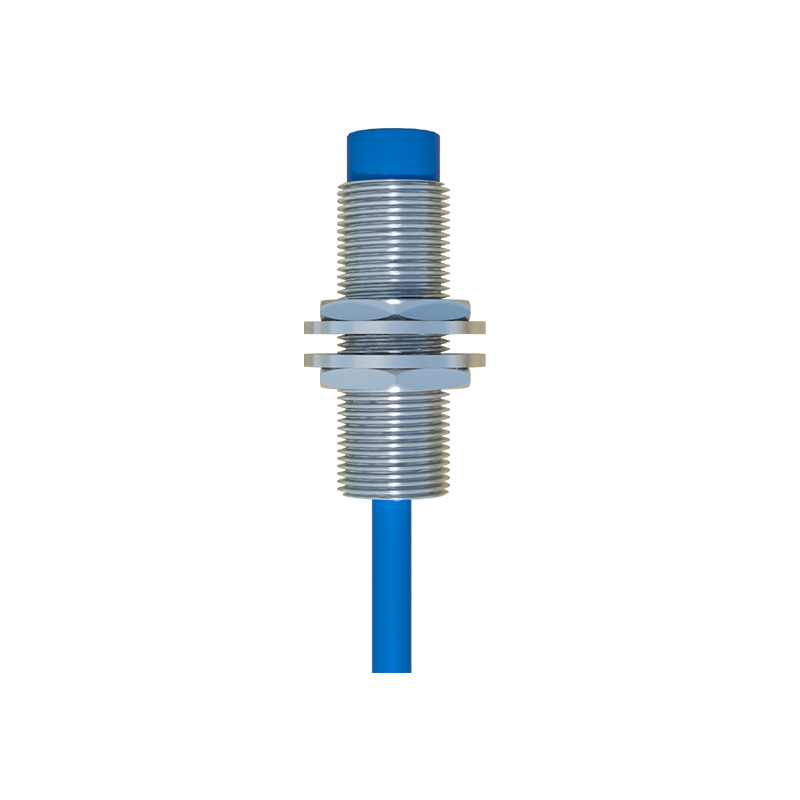
Inductive proximity sensors are widely used in mining for detecting metallic objects. They generate an electromagnetic field and sense changes caused by metallic targets, making them ideal for monitoring conveyor belts, crushers, and drilling equipment. Capacitive sensors, on the other hand, can detect both metallic and non-metallic materials, such as ores or liquids, by measuring changes in capacitance. Ultrasonic sensors employ sound waves to gauge distance and are effective in measuring material levels in bins or detecting obstacles in large mining vehicles. Each technology offers distinct advantages; for instance, inductive sensors excel in dirty environments, while ultrasonic sensors provide long-range detection. Understanding these principles helps in selecting the appropriate sensor for specific mining tasks, ensuring accuracy and durability.
Applications in Mining Safety Systems
Safety is paramount in mining, and proximity sensors are integral to hazard prevention. They are deployed in collision avoidance systems for heavy machinery like haul trucks and excavators, alerting operators to nearby obstacles or personnel. In underground mines, sensors monitor ventilation doors and emergency exits, ensuring they function correctly during evacuations. Additionally, they are used in belt conveyor systems to detect misalignment or blockages, preventing fires and equipment failures. By integrating with programmable logic controllers (PLCs) and safety networks, these sensors enable automated shutdowns or alarms when unsafe conditions are detected, thereby reducing accident risks and complying with stringent safety regulations.
Enhancing Operational Efficiency
Beyond safety, proximity sensors drive efficiency by optimizing mining processes. In material handling, they track the flow of ore on conveyors, enabling precise control and reducing waste. For equipment maintenance, sensors monitor wear and tear on components like drill bits or bearings, facilitating predictive maintenance and minimizing downtime. In automated mining systems, sensors provide feedback for robotic arms or autonomous vehicles, ensuring accurate positioning and operation. This data integration allows for real-time monitoring and adjustments, leading to higher productivity, lower energy consumption, and improved resource management. As mines adopt Industry 4.0 practices, proximity sensors become key enablers of smart mining ecosystems.
Challenges and Environmental Considerations
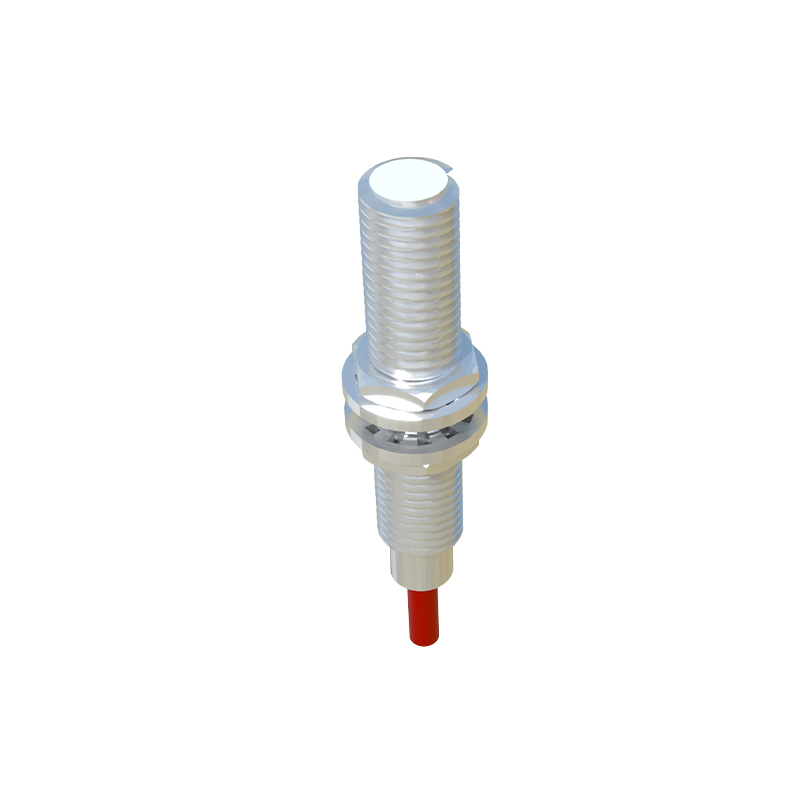
Despite their benefits, deploying proximity sensors in mining poses challenges. Harsh conditions, such as extreme temperatures, pressure, and corrosive substances, can degrade sensor performance. Electromagnetic interference from mining equipment may also affect reliability. To address these issues, sensors are often housed in ruggedized enclosures with high ingress protection (IP) ratings. Regular calibration and maintenance are essential to ensure longevity. Furthermore, environmental sustainability is a growing concern; sensors help by optimizing resource use and reducing emissions through efficient operations. Innovations in sensor materials and wireless technologies are continually improving their resilience and adaptability in mining environments.
Future Trends and Innovations
The future of proximity sensors in mining is shaped by advancements in IoT and artificial intelligence. Smart sensors with embedded diagnostics can self-monitor and transmit data to cloud platforms for analysis, enabling predictive analytics and remote management. Wireless sensor networks reduce installation costs and enhance flexibility in dynamic mining layouts. Additionally, the development of more robust and miniaturized sensors allows for deployment in previously inaccessible areas. As mines strive for greater automation and digital transformation, proximity sensors will evolve to offer higher precision, faster response times, and seamless integration with other mining technologies, paving the way for safer and more efficient operations worldwide.