Introduction to CCD Photoelectric Sensor Cameras
CCD (Charge-Coupled Device) photoelectric sensor cameras are pivotal components in modern industrial automation, renowned for their high sensitivity, low noise, and precise image capture capabilities. These cameras convert light signals into electrical charges, which are then processed to generate digital images. Widely utilized across manufacturing, robotics, and quality control sectors, CCD cameras excel in environments demanding accuracy and reliability. Their ability to detect minute variations in light intensity makes them indispensable for tasks such as object detection, measurement, and inspection. This article explores the diverse types of CCD photoelectric sensor cameras, highlighting their unique features and industrial applications to guide professionals in selecting the optimal solution for their needs.
Area Scan CCD Cameras
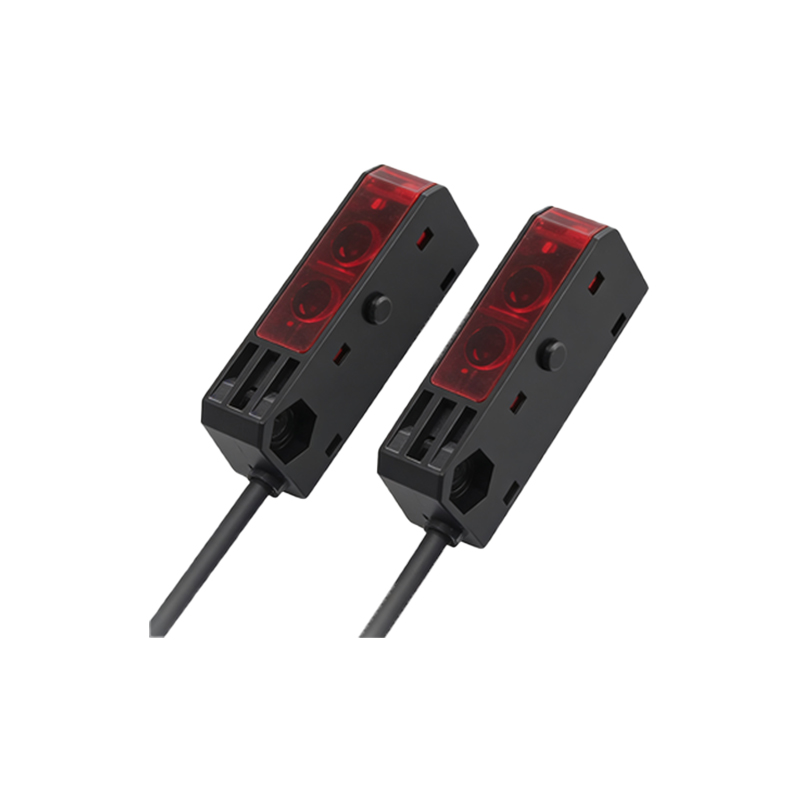
Area scan CCD cameras capture two-dimensional images in a single exposure, making them ideal for applications requiring full-frame visualization. These cameras feature a rectangular array of pixels that record light intensity across a plane, enabling detailed inspection of stationary or slow-moving objects. In industrial settings, area scan cameras are commonly employed for surface defect detection, dimensional analysis, and barcode reading. Their high resolution and color accuracy facilitate precise quality assessments in electronics assembly, automotive manufacturing, and pharmaceutical packaging. With options for global or rolling shutters, area scan cameras offer flexibility in handling varying lighting conditions and motion speeds, ensuring consistent performance in dynamic production lines.
Line Scan CCD Cameras
Line scan CCD cameras utilize a linear array of pixels to capture images one line at a time, often synchronized with conveyor belt movement. This design allows for continuous scanning of objects in motion, producing high-resolution images with minimal distortion. Industries such as printing, textiles, and food processing benefit from line scan cameras for real-time monitoring and defect identification. For instance, in paper manufacturing, these cameras detect tears or inconsistencies during high-speed production. Their ability to handle wide fields of view and generate seamless panoramic images makes them suitable for large-scale inspection tasks. Advanced models incorporate time-delay integration (TDI) technology to enhance sensitivity and image quality in low-light environments.
Smart CCD Cameras with Embedded Processing
Smart CCD cameras integrate onboard processors and software algorithms, enabling real-time data analysis without external computing devices. These cameras reduce latency and simplify system architecture by performing tasks like edge detection, pattern matching, and object classification directly at the sensor level. In automated guided vehicles (AGVs) and robotic arms, smart cameras facilitate rapid decision-making for navigation and pick-and-place operations. Their compact design and low power consumption suit space-constrained installations, while programmable interfaces allow customization for specific industrial workflows. By minimizing reliance on central servers, smart CCD cameras enhance system reliability and scalability in smart factories and IoT-enabled environments.
High-Speed CCD Cameras for Dynamic Applications
High-speed CCD cameras are engineered to capture rapid motion with exceptional clarity, using fast frame rates and short exposure times. These cameras are essential in industries where transient events must be analyzed, such as aerospace testing, ballistic studies, and machinery vibration analysis. With capabilities to record thousands of frames per second, they help identify flaws in fast-moving assembly lines or monitor fluid dynamics in chemical processes. Key features include robust triggering mechanisms, low noise amplification, and high dynamic range to maintain image integrity under challenging conditions. Their application in predictive maintenance and R&D underscores their role in advancing industrial efficiency and safety standards.
Thermal and Infrared CCD Cameras
Thermal and infrared CCD cameras detect heat signatures and infrared radiation, extending visual capabilities beyond the visible spectrum. In industrial contexts, these cameras are used for temperature monitoring, energy audits, and non-destructive testing. For example, in electrical substations, they identify overheating components to prevent failures, while in metallurgy, they assess material properties during heating processes. Cooled and uncooled sensor variants cater to different sensitivity requirements, with some models offering multispectral imaging for comprehensive analysis. Their integration with AI-driven analytics enables predictive insights into equipment health, supporting proactive maintenance strategies in energy-intensive sectors.
Miniature and Ruggedized CCD Cameras
Miniature CCD cameras are designed for installations where size and weight are critical constraints, such as in drones, endoscopic tools, or compact machinery. Despite their small form factor, they deliver high-resolution imaging with low distortion, often incorporating robust housings to withstand harsh conditions. Ruggedized versions feature enhanced durability against shock, vibration, and extreme temperatures, making them suitable for outdoor or heavy industrial use. Applications include pipeline inspection, mining operations, and military surveillance, where reliability in adverse environments is paramount. These cameras often comply with industry standards for ingress protection (IP) ratings, ensuring longevity and consistent performance in demanding settings.
Conclusion and Selection Guidelines
Selecting the appropriate CCD photoelectric sensor camera depends on specific industrial requirements, including resolution needs, environmental factors, and processing capabilities. Area scan cameras suit static or detailed inspections, while line scan variants excel in continuous motion scenarios. Smart cameras offer integrated analytics for autonomous systems, and high-speed models capture fleeting events with precision. Thermal cameras provide non-contact temperature monitoring, and miniature designs address space-limited applications. By evaluating parameters such as pixel size, frame rate, spectral response, and interface compatibility, engineers can optimize camera selection to enhance operational efficiency, accuracy, and cost-effectiveness in diverse industrial landscapes.