Introduction to Proximity Sensing
Proximity sensors are vital components in industrial automation, designed to detect the presence or absence of an object within a specified range without physical contact. These devices operate on various physical principles, enabling them to function reliably in harsh environments where mechanical switches would fail. The core advantage lies in their non-contact operation, which eliminates mechanical wear and tear, ensures high-speed response, and provides consistent performance over long periods. From assembly lines to robotic arms, proximity sensors form the unseen sensory network that guides and controls automated processes with precision and efficiency.
Fundamental Operating Principles
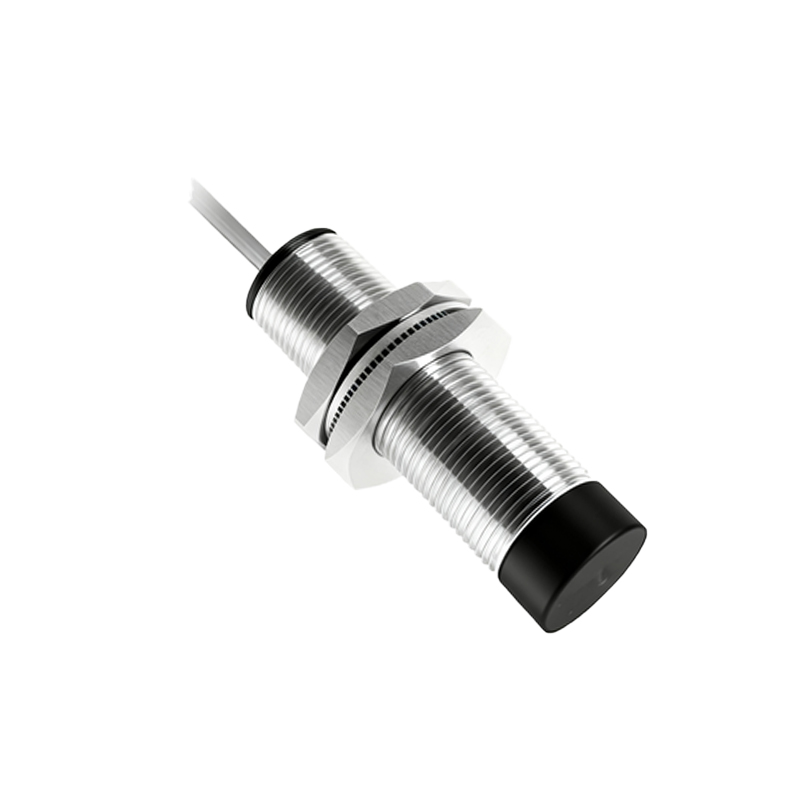
The operation of a proximity sensor is based on the disturbance of an electromagnetic field, acoustic wave, or light beam. The most common types are inductive, capacitive, ultrasonic, and photoelectric sensors. Inductive sensors generate an oscillating electromagnetic field and detect eddy current losses induced in a metallic target. Capacitive sensors measure changes in capacitance caused by the proximity of any material, metallic or non-metallic, that affects the electrostatic field. Each type leverages a distinct physical phenomenon to convert the presence of an object into a measurable electrical signal, typically a switching output.
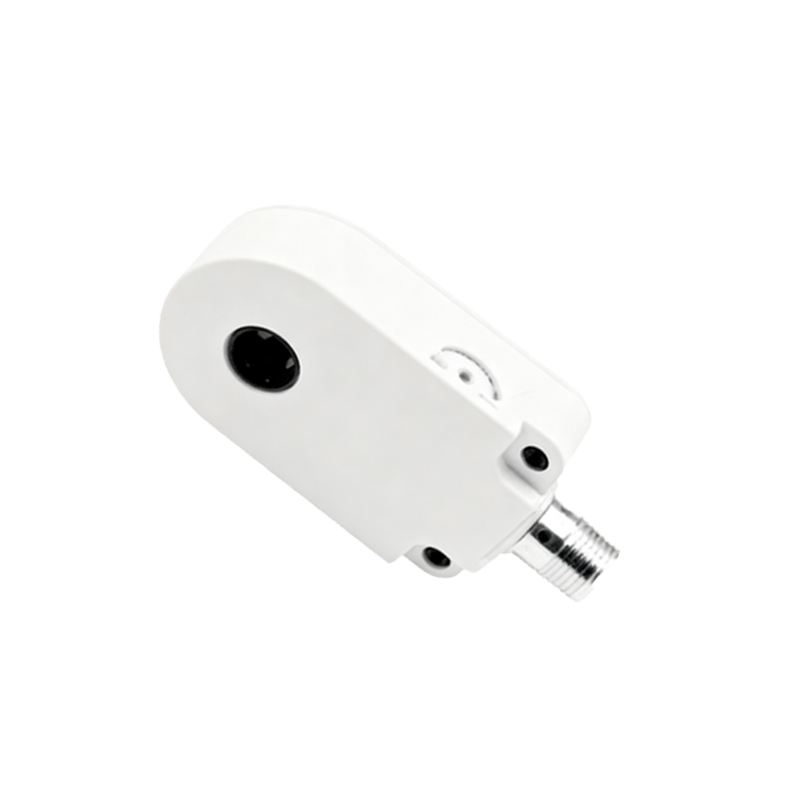
Inductive Proximity Sensor Mechanism
Inductive proximity sensors are exclusively for detecting metallic objects. The core component is a coil wound around a ferrite core, connected to an oscillator. When powered, the oscillator generates a high-frequency alternating magnetic field at the sensor's active face. When a conductive metal enters this field, eddy currents are induced on the metal's surface. These currents draw energy from the oscillator, causing its amplitude to decrease. A threshold circuit monitors this amplitude drop. Once the reduction reaches a predefined level, it triggers a solid-state switch, changing the output state. The sensing distance depends on the actuator material's properties, with factors like material type, size, and thickness influencing performance.
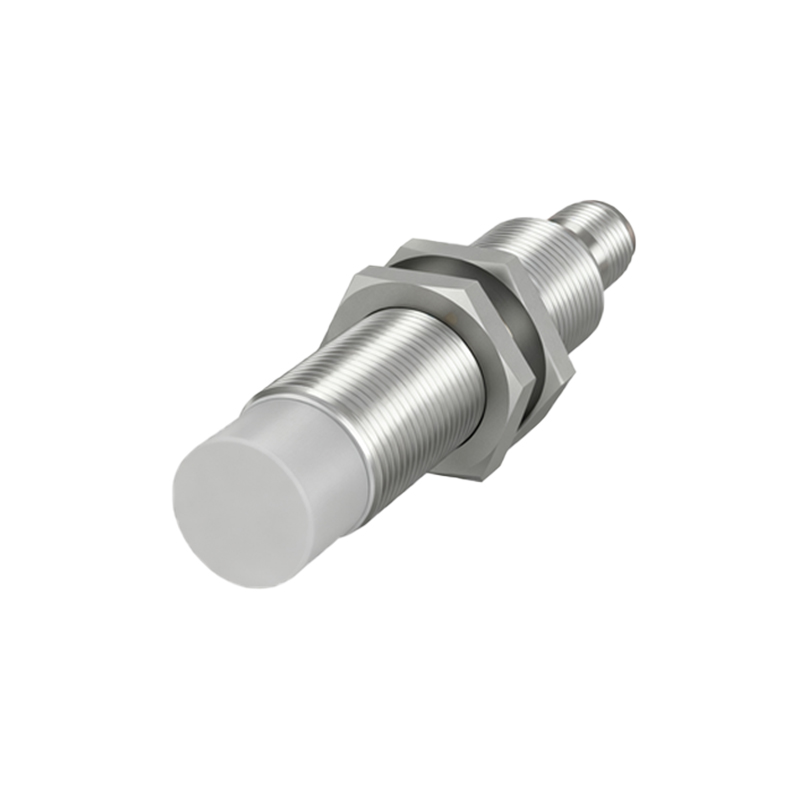
Capacitive Proximity Sensor Functionality
Capacitive sensors can detect both metallic and non-metallic materials, including liquids, powders, and plastics. They function by measuring changes in capacitance. The sensor face acts as one plate of a capacitor, with the target object acting as the other plate, and the air gap as the dielectric. An internal oscillator circuit is tuned so that it does not oscillate without a target. As an object approaches, the capacitance increases. When the capacitance reaches a sufficient threshold, it allows the oscillator to begin oscillating. Subsequent detection circuits process this oscillation signal, leading to an output switch. Sensitivity adjustments allow these sensors to ignore certain materials or container walls, making them versatile for level detection and material handling.
Ultrasonic and Photoelectric Sensing
Ultrasonic proximity sensors operate by emitting high-frequency sound waves and evaluating the reflected signal (echo). The time interval between sending the signal and receiving the echo is calculated to determine the distance to an object. They are effective for detecting objects of various materials and are less affected by color, transparency, or dust. Photoelectric sensors, on the other hand, use a light emitter and a receiver. The presence of an object is detected by either the interruption (through-beam) or reflection (retro-reflective, diffuse) of a light beam. While often categorized separately, their non-contact, proximity-based operation aligns them with the broader proximity sensor family for specific applications requiring longer ranges or detection of minute objects.
Key Performance Characteristics
Several parameters define a proximity sensor's performance. The nominal sensing distance (Sn) is the theoretical operating distance under standardized conditions. The effective operating distance includes a tolerance, typically 0.9 to 1.1 times Sn. Hysteresis is the difference between the switch-on and switch-off points, preventing output chatter when a target is at the detection boundary. Repeatability indicates the precision of detection under constant conditions. Other critical factors include response frequency (switches per second), environmental ratings (IP, NEMA), temperature range, and output configuration (PNP/NPN, NO/NC). Understanding these specs is crucial for correct sensor selection and system integration.
Industrial Applications and Selection Criteria
Applications are vast and varied. Inductive sensors are ubiquitous in metal machining for part counting, position verification, and limit switching. Capacitive sensors monitor fill levels in tanks, detect transparent films, or sense wood or granulates. Ultrasonic sensors handle challenging tasks like bulk material level sensing or irregular object detection. Photoelectric sensors are preferred for packaging, bottle counting, and web break detection. Selection begins with the target material, followed by required sensing distance, environmental conditions (presence of coolant, dust, vibration), required output type, and physical size constraints. Proper mounting and electrical wiring according to manufacturer guidelines are essential for optimal performance and noise immunity