Introduction to Anti-Collision Photoelectric Sensors
Anti-collision photoelectric sensors are critical components in modern industrial automation, designed to prevent machinery collisions and ensure operational safety. These sensors utilize light beams, typically infrared, visible red, or laser, to detect the presence or absence of objects within a specified range. By emitting a light signal and measuring its reflection or interruption, they provide precise, non-contact detection. This technology is fundamental in applications ranging from automated guided vehicles (AGVs) and robotic arms to conveyor systems and packaging machinery. The primary advantage lies in their ability to detect objects without physical contact, thereby reducing wear and tear and increasing system longevity. This collection of images aims to showcase the diverse designs, mounting styles, and application scenarios of these indispensable safety devices.
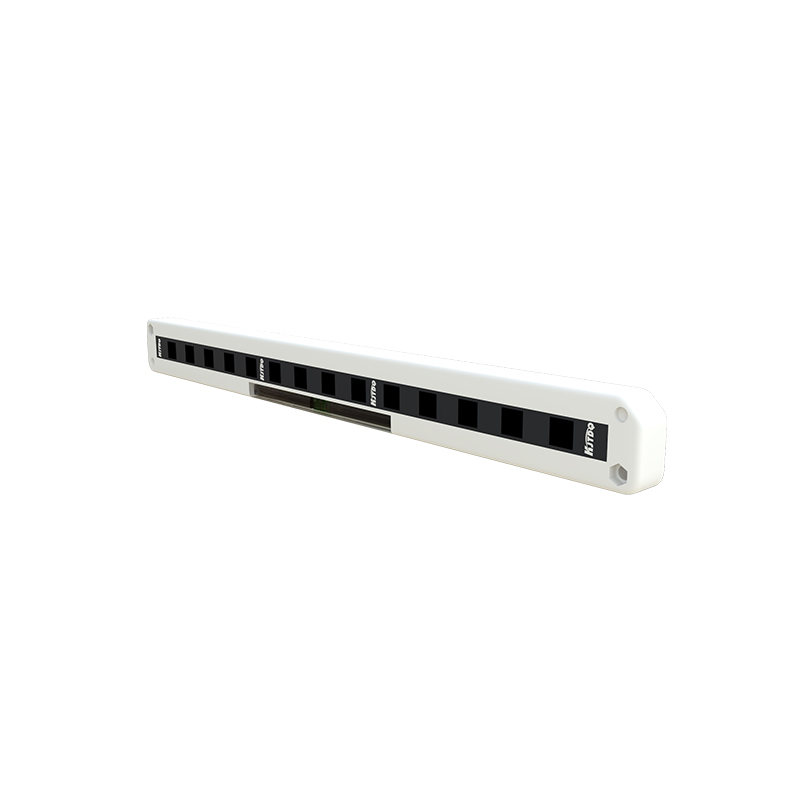
Through-Beam Sensor Configurations
Through-beam, or opposed-mode, sensors consist of separate emitter and receiver units. The emitter projects a continuous light beam towards the receiver. An object is detected when it interrupts this beam. This configuration offers the longest sensing range and highest reliability, as it is less affected by object surface color, texture, or reflectivity. Images in this category typically show two compact, cylindrical housings aligned opposite each other across a conveyor or pathway. Common housing materials include nickel-plated brass or stainless steel for durability in harsh environments. Key visual details include the alignment indicators, cable outlets, and often an LED status light. These sensors are frequently seen in material handling for detecting large packages or pallets, and as safety curtains around hazardous machinery zones.
Retro-Reflective Sensor Designs
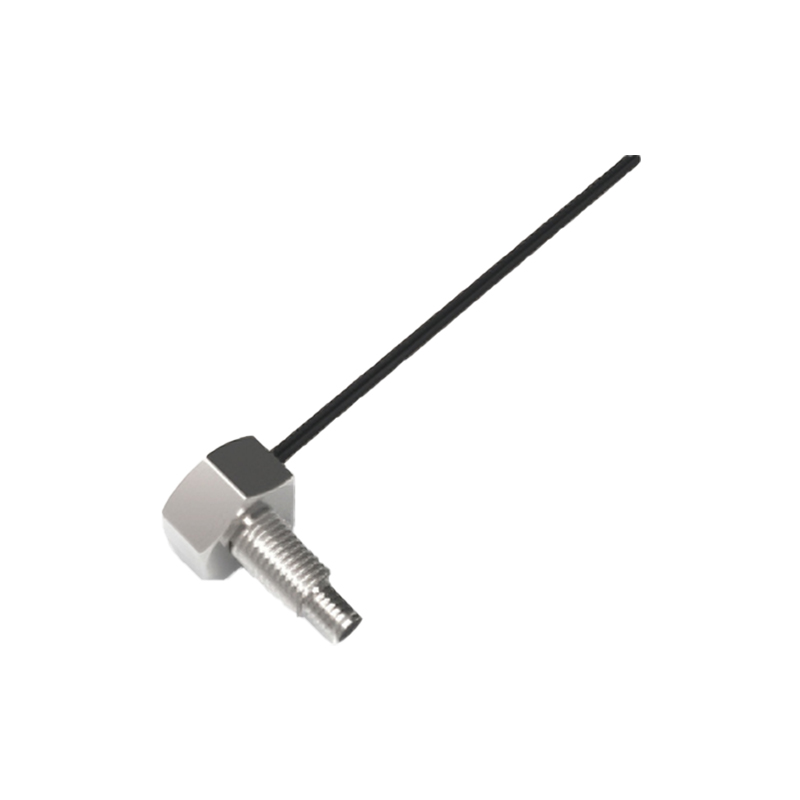
Retro-reflective sensors house both the emitter and receiver in a single unit. They work by projecting light towards a specialized reflector, which bounces the beam directly back to the receiver. Detection occurs when an object blocks this reflected beam. This design simplifies installation as it requires wiring only on one side. Photographs here highlight sensors with built-in polarization filters, which are crucial to ignore reflections from shiny objects that might otherwise cause false triggers. The images often feature sensors with adjustable sensing ranges and visible red or laser light spots for easy alignment. Typical applications include detecting vehicles at dock doors, monitoring entry points on assembly lines, and ensuring proper positioning of components before a machining process begins.
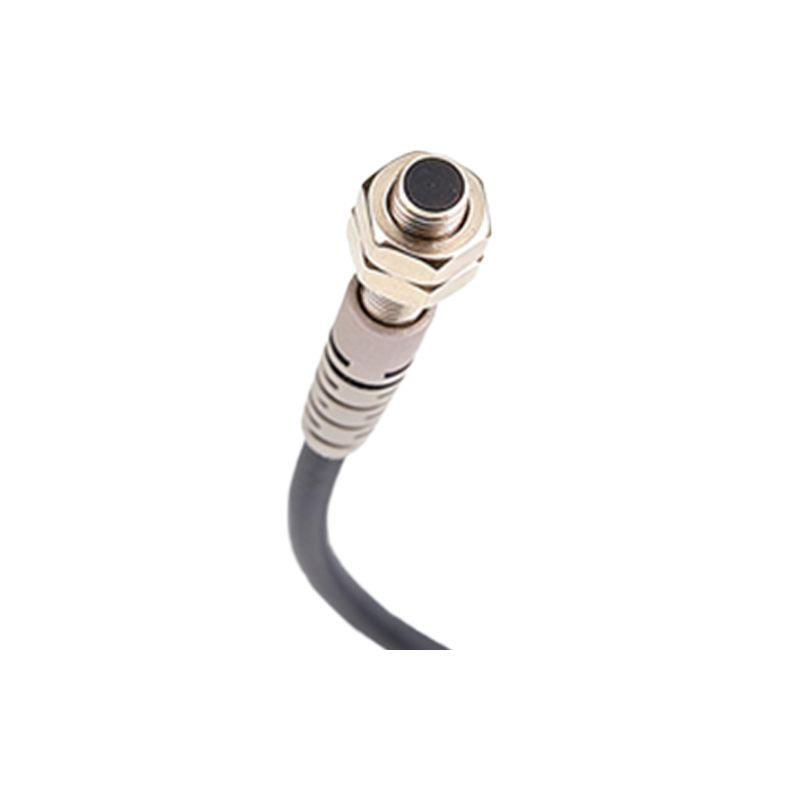
Diffuse Reflective Sensor Varieties
Diffuse reflective, or proximity-mode, sensors also incorporate the emitter and receiver into one housing. They detect an object by measuring the light reflected directly from the object's surface. This makes them highly dependent on the object's color and reflectivity—white objects are detected at longer ranges than black ones. The image gallery for this type showcases a wide array of form factors: standard cylindrical sensors, rectangular block-style sensors, and background suppression models. Background suppression sensors are a key subset; they use triangulation principles to detect objects only within a precise, defined distance, ignoring surfaces beyond the set range. Close-up shots reveal the sensor lens design and the arrangement of the light-emitting and receiving elements.
Specialized Housing and Form Factors
The physical design of an anti-collision sensor is tailored to its operating environment. This section's imagery displays sensors with rugged, IP67 or IP69K rated housings that are waterproof and dust-tight, suitable for washdown areas in food and beverage plants. Other images feature sensors with metal housings for high-impact resistance in heavy industry like steel manufacturing or lumber processing. Compact, slot-style sensors designed for edge detection on winding machines are also pictured. Furthermore, there are images of sensors with built-in amplifiers offering programmable logic functions, featuring digital displays and push-button controls for setting parameters like sensitivity and response time directly on the device.
Application-Specific Installation Examples
Contextual photographs are vital for understanding real-world use. This segment includes images of photoelectric sensors deployed on Automated Guided Vehicles (AGVs) to prevent collisions with obstacles, personnel, or other AGVs. Other pictures illustrate their use in robotic workcells, where sensors create a protective field around a robot's movement envelope. Detailed shots show sensors mounted on crane systems to prevent overhead collisions. In logistics, images depict arrays of sensors monitoring parcel dimensions on sortation conveyors. Each image highlights mounting brackets, cable management, and the sensor's field of view relative to the moving machinery, providing practical insights for system integrators and maintenance engineers.
Advanced Features and Output Indicators
Modern anti-collision sensors incorporate advanced features for enhanced functionality. Images in this part focus on technical details: sensors with dual digital displays showing both measured distance and set thresholds, models with IO-Link communication capability for Industry 4.0 integration, and units with teach-in functionality for easy setup. Visual emphasis is placed on the status indicator LEDs—usually a green LED for power and a yellow or orange LED for output activation. Diagrams or cutaway images explain the principle of background suppression or the function of a synchronizing input for preventing crosstalk in dense sensor arrays. These visuals help users select the right sensor with the necessary diagnostic and control features.
Comparison and Selection Guidance
A comparative visual guide aids in sensor selection. Side-by-side images contrast the sensing ranges and beam patterns of through-beam, retro-reflective, and diffuse models. Charts embedded in the imagery summarize key selection criteria: required sensing distance, environmental conditions (dust, moisture, ambient light), response time, output type (PNP/NPN, analog, relay), and required housing shape. Pictures also compare the beam shapes—spot, line, or wide-area—for different detection needs. This visual comparison is an essential tool for engineers to quickly identify the optimal sensor type for a specific anti-collision task, balancing performance, environmental robustness, and cost.