Understanding Short-Range Through-Beam Sensing
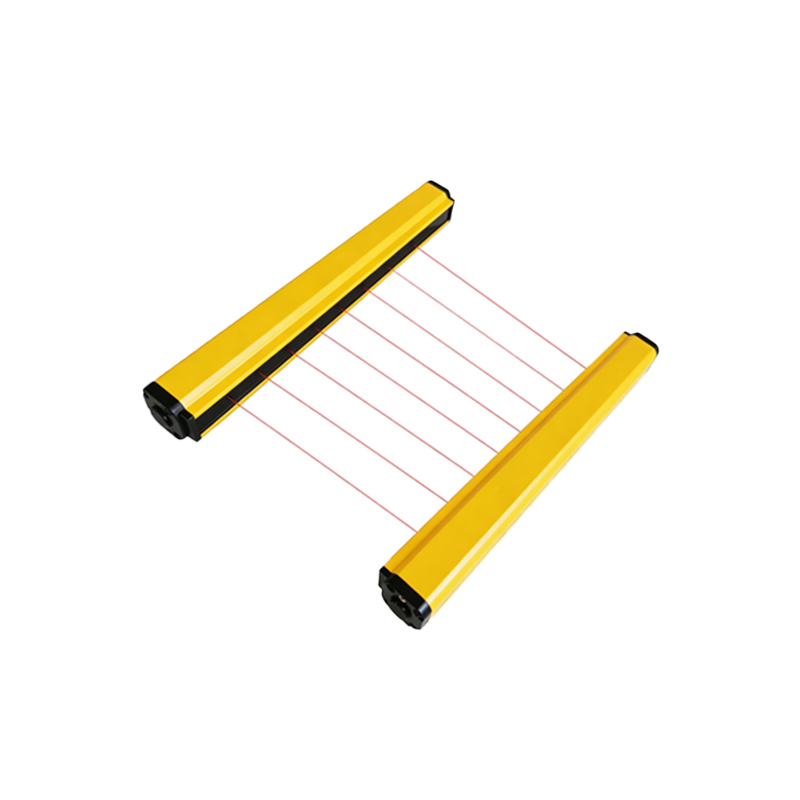
Short-range through-beam photoelectric sensors, often defined for detection distances under 2 meters, represent a specialized category of industrial automation components. Unlike their long-range counterparts designed for expansive factory floors, these sensors excel in confined spaces where precision, reliability, and fast response are non-negotiable. The fundamental principle remains the classic through-beam (or opposed) arrangement: a separate emitter unit projects a beam of light—typically modulated infrared or visible red LED—directly to a receiver unit. Any object interrupting this beam triggers an output signal. The "short-range" designation primarily influences the design intensity of the emitted light, the receiver's sensitivity, and the overall mechanical and optical alignment tolerances, making them supremely suited for high-accuracy applications over minimal gaps.
Key Advantages for Precision Applications
The primary benefit of short-range through-beam sensors lies in their exceptional accuracy and stability. The close proximity between emitter and receiver minimizes the effects of ambient light interference and atmospheric attenuation, resulting in a consistently strong signal. This allows for the reliable detection of extremely small objects—think tiny electronic components, fine wires, or minute imperfections on a surface. Furthermore, the short beam path enables very high switching frequencies, often in the kilohertz range, making them ideal for high-speed counting, sorting, and precision positioning on fast-moving assembly lines. Their inherent design also provides the highest possible contrast ratio, meaning they can reliably distinguish between the presence and absence of an object with minimal risk of false triggers compared to diffuse or retro-reflective modes.
Critical Design and Selection Considerations
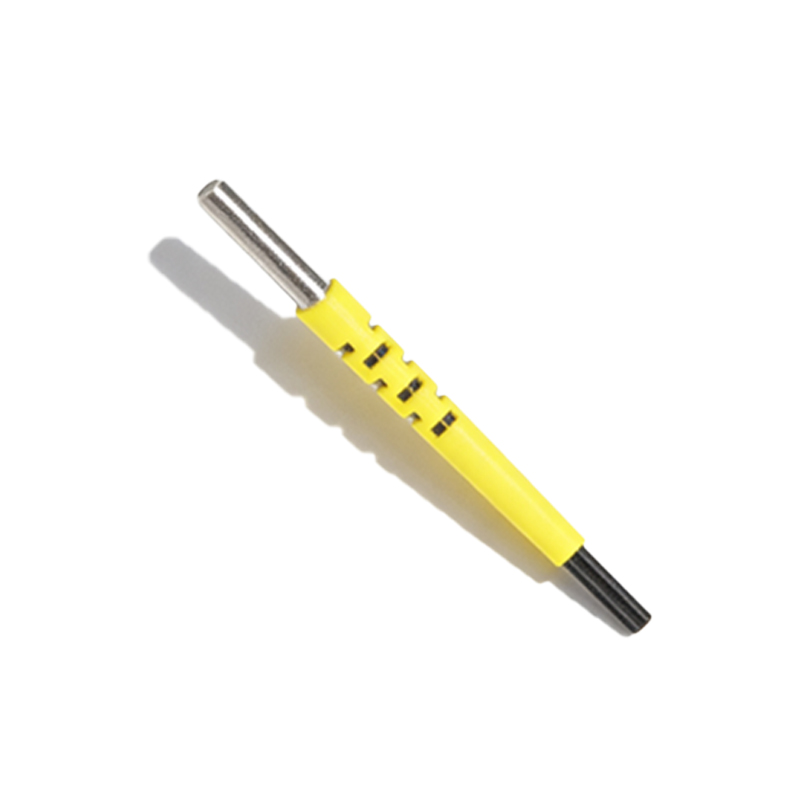
Selecting the right short-range through-beam sensor requires careful analysis of several parameters beyond just the sensing distance. First, the required beam aperture or spot size is crucial for detecting small objects; a focused, precise beam is often necessary. Second, the housing form factor is vital for installation in tight spaces—miniature, cylindrical, or slot-style housings are common. Engineers must also specify the required output type (PNP/NPN, relay, analog) and connection method (pre-wired cable or connector). The sensing object's material, size, and speed directly influence the choice. For instance, detecting clear glass or transparent films may require a polarized lens filter to prevent false signals from reflective surfaces. Environmental factors like dust, moisture, or temperature swings mandate sensors with appropriate IP (Ingress Protection) ratings, such as IP67 or IP69K for washdown environments.
Common Challenges and Installation Best Practices
Despite their robustness, short-range through-beam sensors face specific challenges. Precise mechanical alignment of the emitter and receiver is paramount. Even a slight misalignment can drastically reduce sensing reliability. Using manufacturer-provided alignment tools or sensors with built-in alignment indicators (like signal strength LEDs) is highly recommended. Vibration in the mounting structure can gradually shift units out of alignment, necessitating secure, rigid mounting brackets. In dirty environments, lens contamination is a persistent threat. Regular cleaning schedules or selecting sensors with built-in lens cleaning warnings can mitigate this. A best practice is to always provide a slight "derating" or safety margin; do not operate the sensor at its absolute maximum specified distance or speed in the application to ensure long-term, fail-safe operation.
Innovative Applications Across Industries
The application spectrum for short-range through-beam sensors is vast and growing. In electronics manufacturing, they verify the presence of microchips on circuit boards or count miniature components in vibratory feeders. In pharmaceutical packaging, they ensure precise tablet counting in blister packs or check for vials on filling lines. The printing and paper industry uses them for precise edge detection, sheet counting, and tear detection on high-speed presses. In automated machinery, they serve as precise safety interlock sensors on guarding doors or as position verification for robotic arms handling delicate items. Their role in quality control is indispensable, identifying missing caps on bottles, checking for broken tools, or validating the correct orientation of parts before a critical assembly step.
The Future: Integration and Smart Features
The evolution of short-range through-beam sensors is tightly linked to Industry 4.0 trends. Modern sensors increasingly feature IO-Link communication, a point-to-point serial protocol that transforms a simple sensor into a smart device. IO-Link enables remote parameter configuration, real-time monitoring of signal strength (for predictive maintenance), and detailed diagnostic data transmission to a central controller. This facilitates faster setup, easier troubleshooting, and integration into digital twin systems. Future advancements may include even more miniaturization, enhanced resistance to challenging materials like dark or glossy objects, and the integration of multi-beam arrays in a single housing for sophisticated profile detection, pushing the boundaries of precision in compact automation solutions.