Introduction to Proximity Switch Sensors
Proximity switch sensors are fundamental components in modern industrial automation and control systems. These non-contact sensing devices detect the presence or absence of an object within a specified range without any physical contact. The 18a3 model represents a specific and widely utilized series within this category, known for its reliability and standardized performance metrics. These sensors operate on various principles, primarily inductive, capacitive, and magnetic, with the inductive type being the most common for detecting metallic objects. Their ability to function in harsh environments—resisting dust, oil, and moisture—makes them indispensable in manufacturing, packaging, material handling, and automotive assembly lines. The designation "18a3" typically refers to a specific housing style, thread size, and sensing range, conforming to industry-standard form factors that ensure interchangeability and ease of installation.
Technical Specifications of the 18a3 Model
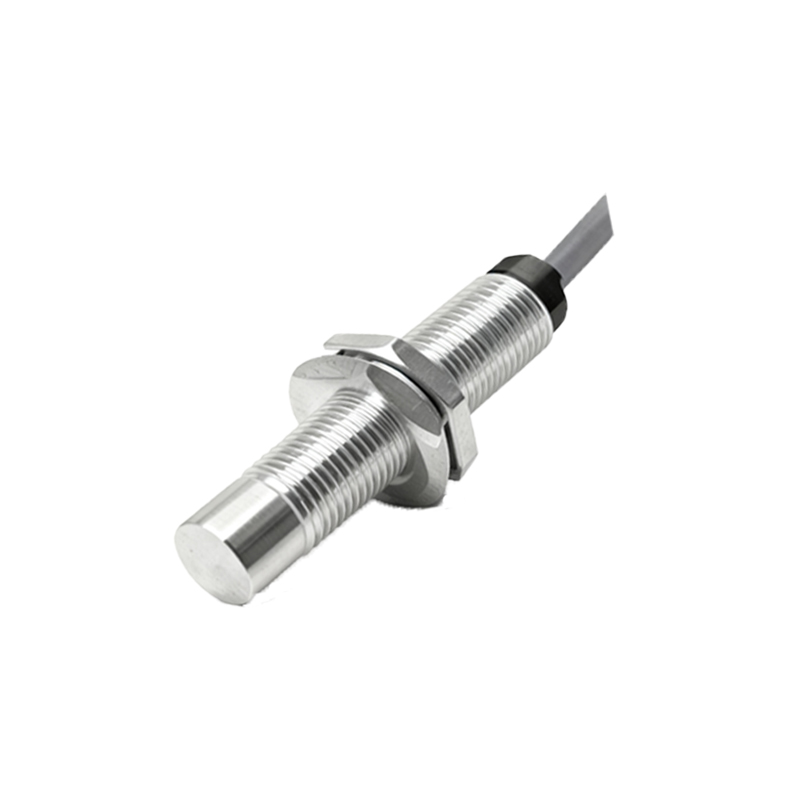
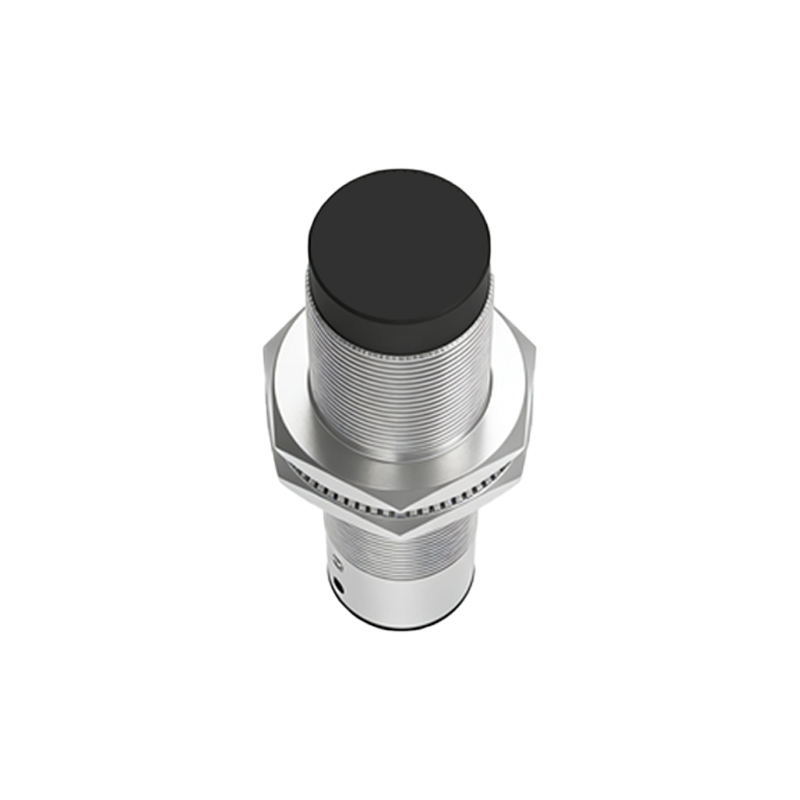
The 18a3 proximity sensor is characterized by its cylindrical, threaded metal housing. A standard specification includes an M18 metric thread, which is 18 millimeters in diameter. The "a" often denotes a particular housing material or variant, while the "3" can indicate the sensing distance, commonly 3mm, 5mm, or 8mm depending on the specific model code. These sensors are typically inductive, meaning they generate an electromagnetic field to detect ferrous and non-ferrous metals. Key electrical specifications usually include an operating voltage range (commonly 10-30V DC), output type (PNP or NPN, normally open or normally closed), and current rating. The housing is often made of nickel-plated brass or stainless steel, offering high mechanical strength and resistance to corrosion. Understanding these specifications is crucial for selecting the correct sensor for an application, ensuring proper sensing distance, electrical compatibility, and environmental resilience.
Operating Principle and Sensing Technology
At the core of an inductive 18a3 proximity switch is an oscillator circuit that creates a high-frequency electromagnetic field at the active face of the sensor. When a metallic target enters this field, eddy currents are induced on the surface of the target. This causes a load on the oscillator, leading to a reduction in the amplitude of oscillation. This change is detected by a threshold circuit, which subsequently triggers a change in the sensor's output state (switching ON or OFF). This entire process occurs without physical contact, eliminating mechanical wear and tear. The sensing distance, or "switching distance," is a nominal value defined for a standard target (usually a square of mild steel). Factors like target material, size, and shape can affect the actual sensing range. For instance, steel is detected at the nominal range, while aluminum or copper may reduce the effective range significantly.
Wiring and Electrical Connections
Correct wiring is paramount for the safe and reliable operation of the 18a3 sensor. Most models have a three-wire configuration: brown (or red) for positive DC supply (+V), blue for negative DC supply (0V), and black (or white) for the switched output signal. For a PNP (sourcing) sensor, the black wire outputs a positive voltage when activated. For an NPN (sinking) sensor, it provides a path to ground when activated. A crucial step is verifying the sensor's compatibility with the programmable logic controller (PLC) or relay input module. Connecting a PNP sensor to an NPN input, or vice versa, will result in malfunction. Additionally, some models feature a fourth wire for a separate output function or diagnostic LED. Always refer to the manufacturer's datasheet for the precise wiring diagram and ensure proper grounding and shielding in electrically noisy environments to prevent false triggering.
Application Scenarios in Industrial Settings
The 18a3 proximity sensor finds applications across countless industrial processes. A primary use is in position detection on automated machinery, such as confirming the presence of a metal part in a fixture or the end-of-travel position of a cylinder. In conveyor systems, they count metallic objects or detect the position of pallets. Within robotic cells, they ensure grippers are in the home position before initiating a cycle. In metalworking, they can detect the presence of a drill bit or the completion of a machining operation. Their robust construction allows them to be mounted directly on machine frames, often in tight spaces where limit switches would be impractical. The key to successful application is selecting the correct sensing range and output type for the specific task, considering factors like target material, required response speed, and the ambient environmental conditions.
Installation, Alignment, and Mounting Considerations
Proper installation directly impacts sensor performance and longevity. The 18a3's threaded barrel allows