Introduction to Photoelectric Sensing Technology
Photoelectric sensors are indispensable components in modern industrial automation, providing reliable object detection without physical contact. These devices operate by emitting a beam of light, typically from an LED, and detecting changes in the received light signal caused by the presence or absence of a target object. The core principle is straightforward, but the applications are vast and critical. For decades, they have been the preferred choice for tasks ranging from simple part detection on conveyor belts to complex positioning in robotic assembly cells. Their versatility, speed, and accuracy make them superior to mechanical limit switches and other sensing methods in countless scenarios. The perception that high performance necessitates a high price tag is a common misconception in the industry. Recent advancements in manufacturing, component design, and supply chain optimization have made robust and reliable photoelectric sensors more accessible than ever before, opening doors for small and medium-sized enterprises to automate efficiently.
Key Features of Budget-Friendly Models
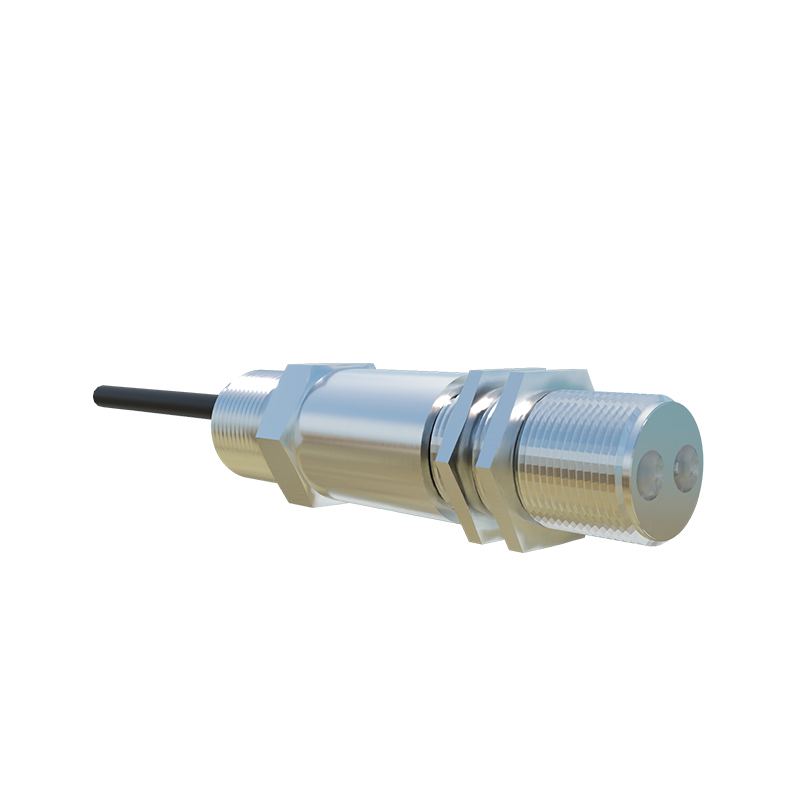
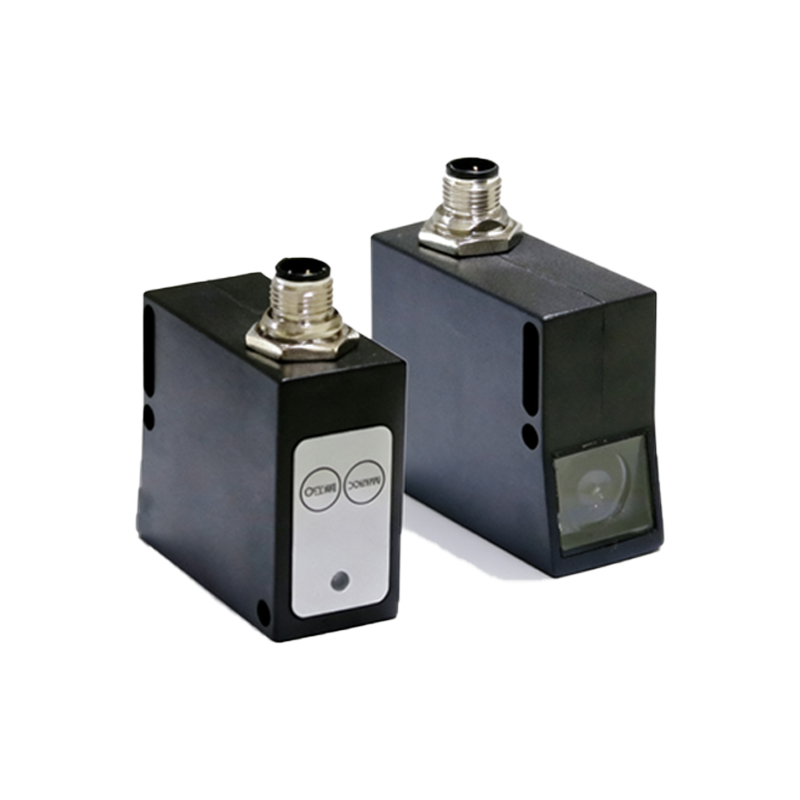
Modern affordable photoelectric sensors do not compromise on essential performance metrics. They offer sensing ranges suitable for most common applications, such as detecting objects from a few centimeters up to several meters. Many cost-effective models now incorporate standard sensing modes: through-beam, retro-reflective, and diffuse reflective. Through-beam sensors, with separate emitter and receiver units, provide the longest range and highest reliability. Retro-reflective types use a reflector and are ideal for detecting objects that interrupt the beam. Diffuse sensors detect light reflected directly from the target, perfect for sensing at close ranges without a separate reflector. Furthermore, these sensors often feature solid-state outputs (NPN or PNP) compatible with standard programmable logic controllers (PLCs), rugged housings rated at IP67 for protection against dust and water ingress, and simple potentiometers or teach-in buttons for easy range adjustment. LED status indicators for power and output are now standard, simplifying installation and troubleshooting.
Primary Applications in Industrial Settings
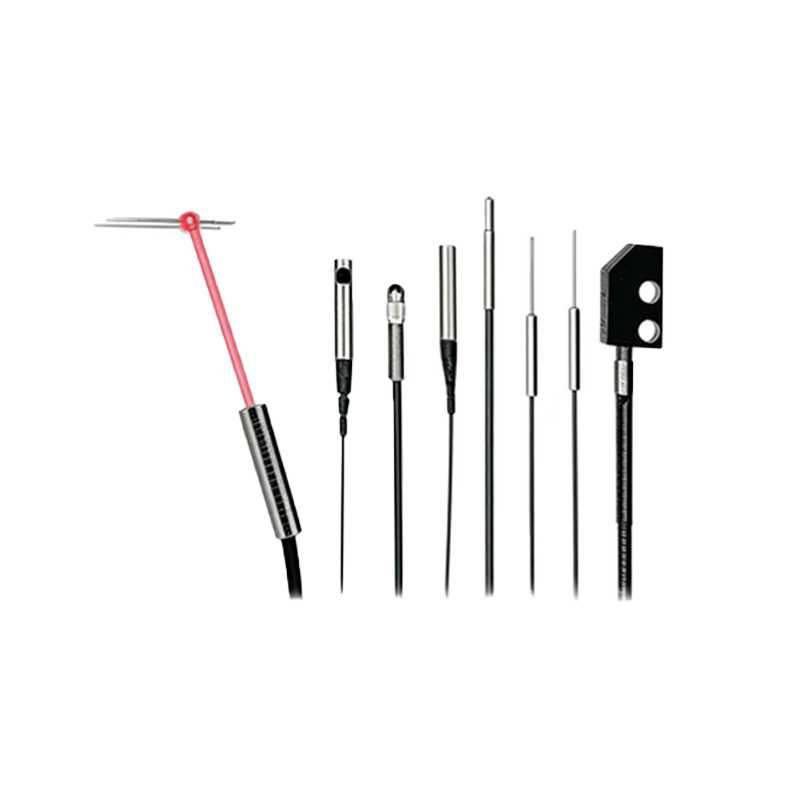
The deployment of low-cost photoelectric sensors spans virtually every sector. In packaging machinery, they are used for label detection, cap placement verification, and product counting on high-speed lines. Within material handling, they provide precise carton presence sensing on conveyors, pallet positioning, and stack height control. Automotive assembly lines utilize them for part verification before robotic welding or adhesive application. Even in simpler setups, such as garage door safety systems or vending machine product dispensing, these sensors ensure safe and reliable operation. Their ability to detect a wide variety of materials—including metal, plastic, glass, wood, and liquid—without contact makes them incredibly flexible. By implementing these affordable sensors, facilities can achieve significant improvements in process reliability, reduce product waste from errors, and minimize machine downtime caused by mechanical switch failure.
Selecting the Right Sensor for Your Needs
Choosing an affordable photoelectric sensor requires careful consideration of the application parameters to ensure optimal performance and value. First, define the sensing distance and the required mode based on the installation environment. For long, dirty, or demanding applications, a through-beam type is often best. For cleaner environments where wiring both sides is difficult, a retro-reflective model is suitable. Second, consider the target object's properties: size, color, material, and surface finish. A shiny metal part may require a polarized retro-reflective sensor to avoid false triggers, while a dark, absorbent material might need a diffuse sensor with background suppression technology. Third, evaluate the electrical requirements: operating voltage (commonly 10-30V DC), output type (sourcing or sinking), and connection method (pre-wired cable or quick-disconnect). Finally, the environmental conditions are critical. Ensure the sensor's housing material and ingress protection (IP) rating can withstand exposure to oils, coolants, washdowns, or temperature extremes present in your facility.
Total Cost of Ownership and Long-Term Value
The initial purchase price is just one component of the total cost of ownership. A truly affordable sensor provides long-term value through reliability, durability, and ease of use. High-quality, budget-conscious sensors are designed for extended service life, often featuring robust housings made from nickel-plated brass or stainless steel and protected circuits against reverse polarity, short-circuit, and overload. This durability translates directly into reduced maintenance costs and less frequent replacement. Furthermore, easy installation and setup save valuable technician time. Many models offer versatile mounting options with adjustable brackets, and clear visual indicators streamline alignment and diagnostics. By minimizing unplanned downtime and maintenance labor, these sensors contribute to a lower total cost of ownership over their operational lifespan, delivering a rapid return on investment that far outweighs the minimal upfront price difference compared to less reliable alternatives.
Future Trends and Accessibility
The trend toward more capable and affordable photoelectric sensors is accelerating. Manufacturers are integrating smarter features into entry-level models, such as IO-Link communication for digital parameter setting and diagnostic data access. This allows for predictive maintenance and easier integration into Industry 4.0 frameworks. Enhanced sensing technologies, like background suppression and fixed-field teaching, are becoming commonplace in standard-range sensors. The global supply chain and competitive market continue to drive innovation while keeping prices in check. For engineers and plant managers, this means that specifying a high-performance sensor no longer requires a premium budget. By carefully evaluating specifications and partnering with reputable suppliers who offer strong technical support, businesses can leverage these cost-effective photoelectric sensors to build more efficient, reliable, and competitive automated systems.