Introduction to Proximity Sensing
Proximity sensors are fundamental components in the automation and control landscape, serving as the critical "eyes" of machinery. These non-contact devices detect the presence or absence of an object within a specified range without any physical contact. Their primary function is to provide a reliable electrical signal to a control system, such as a Programmable Logic Controller (PLC), triggering subsequent actions like starting a process, counting items, or ensuring safety. The ability to operate without touching the target object eliminates mechanical wear and tear, significantly enhancing system longevity and reliability. This makes them indispensable in environments demanding high-speed operation, harsh conditions, or sterile processes.
Core Operating Principles
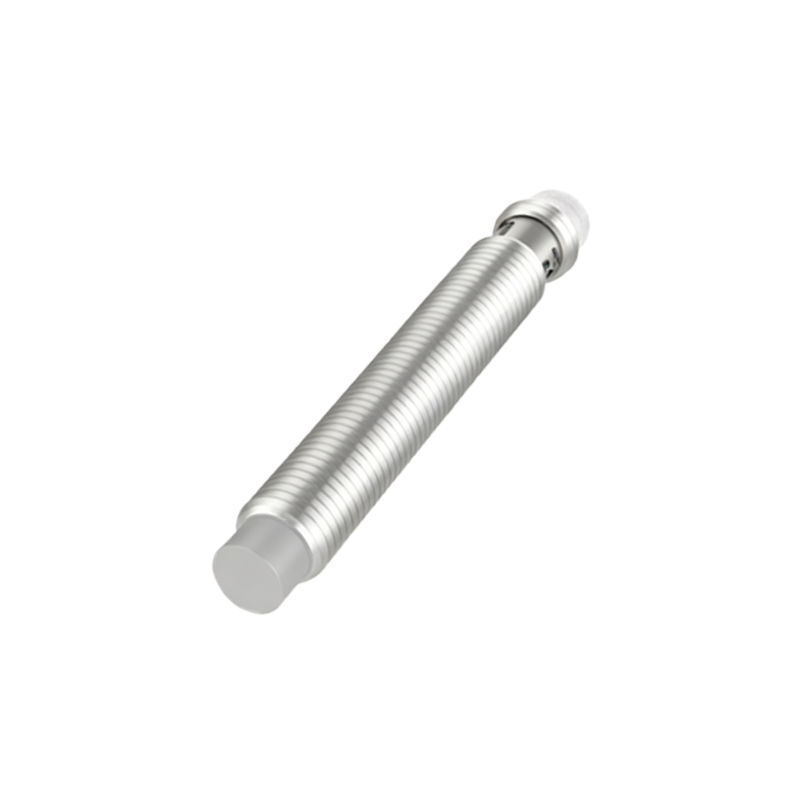
The functionality of a proximity sensor hinges on its specific technology. Inductive sensors generate an electromagnetic field to detect metallic objects, making them ideal for machine tools and automotive assembly. Capacitive sensors can detect both metallic and non-metallic materials, including liquids and powders, by sensing changes in capacitance, which is crucial in packaging and food processing. Ultrasonic sensors use sound waves to measure distance to an object, excelling in level control and bulky object detection. Finally, photoelectric sensors employ a light beam, often infrared, to sense objects, providing long-range detection for conveyor systems and material handling. Each principle offers distinct advantages tailored to specific industrial challenges.
Key Functions and Applications
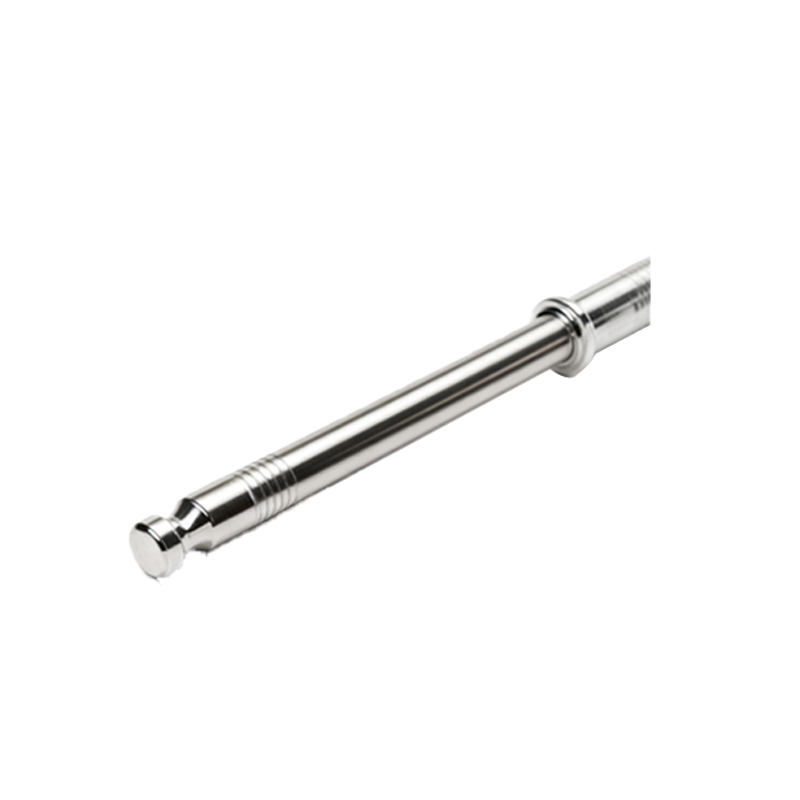
The role of a proximity sensor extends far beyond simple detection. In manufacturing, they are pivotal for precise positioning, ensuring robotic arms place components accurately. They perform vital object counting on high-speed production lines for inventory and quality control. As safety devices, they act as interlock switches, preventing machine operation if a guard door is open or a person is too close to hazardous areas. In automotive paint shops, non-metallic sensors ensure vehicle bodies are correctly positioned for spraying without causing scratches. Their application in packaging machinery for detecting labels, fill levels, and cap placement ensures product consistency and reduces waste.
Advantages Over Mechanical Switches
The superiority of proximity sensors compared to traditional mechanical limit switches is pronounced. Their non-contact nature means no moving parts are subject to friction, leading to a virtually infinite operational life and minimal maintenance. They can operate at exceptionally high speeds, detecting objects passing by in milliseconds, which is unattainable for mechanical switches. They are also highly resistant to environmental contaminants like oil, dust, and coolant splash, especially when housed in robust, sealed metallic or polymer bodies. This reliability translates directly into reduced machine downtime and higher overall equipment effectiveness (OEE) in plant operations.
Selection Criteria for Optimal Performance
Choosing the correct proximity sensor is critical for system performance. Engineers must first define the target material—metal, plastic, liquid—to select between inductive, capacitive, or other types. The required sensing distance, or "switching distance," must be specified, noting that factors like target size and material can affect this range. Environmental conditions are paramount; sensors for washdown areas require high IP (Ingress Protection) ratings, while those in high-temperature zones need extended thermal tolerances. The electrical output type (PNP/NPN, analog, IO-Link) must be compatible with the control system. Finally, the physical housing style (cylindrical, rectangular, slot-type) must suit the mounting constraints.
Integration with Industry 4.0
Modern proximity sensors are evolving into smart components within the Industrial Internet of Things (IIoT) framework. Sensors with IO-Link communication capability can transmit detailed diagnostic data—such as operating temperature, signal strength, and switch cycle count—to higher-level control systems. This enables predictive maintenance, where potential failures are identified before they cause stoppages. Data on detection counts and machine cycles aids in production analytics and optimization. This intelligence transforms the simple proximity sensor from a mere binary switch into a valuable source of operational data, driving efficiency in smart factories.
Conclusion and Future Outlook
In essence, the role of the proximity sensor is to provide reliable, non-contact detection that forms the backbone of automated system control, safety, and efficiency. From ensuring a robotic weld is perfectly placed to counting thousands of bottles per minute, their contribution is silent yet profound. Future advancements point toward miniaturization, increased sensing ranges, enhanced communication protocols, and greater intelligence embedded within the sensor itself. As automation complexity grows, the humble proximity sensor will continue to be a critical enabler, adapting to meet the ever-evolving demands of modern industry.