Understanding the Core Challenge
In the demanding landscape of industrial automation, photoelectric sensors are indispensable for tasks ranging from object detection to precise positioning. However, their performance can be severely compromised in high-temperature environments, such as those found near furnaces, in metal processing, glass manufacturing, or within engine compartments. Standard reflectors, often made from common plastics or lower-grade materials, can warp, discolor, or degrade, leading to signal loss and unreliable operation. This creates a critical need for specialized high-temperature photoelectric sensor reflectors engineered to maintain integrity and reflectivity under thermal stress.
Critical Material Selection
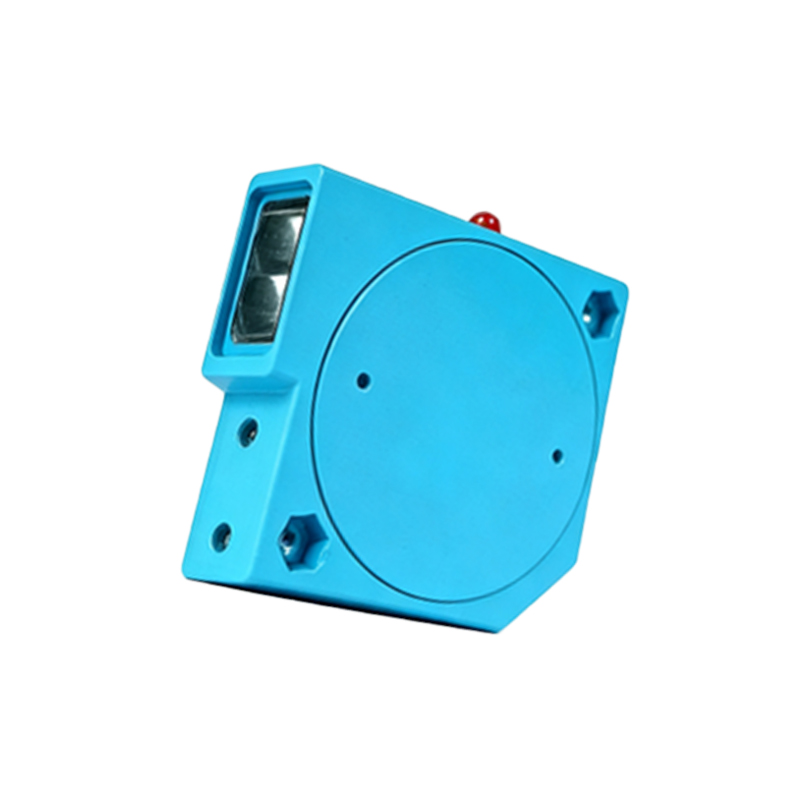
The foundation of a reliable high-temperature reflector lies in its material composition. Advanced engineering polymers and inorganic materials are selected for their thermal stability and optical properties. Polyetheretherketone (PEEK) is a premier choice, offering continuous service temperatures up to 250°C (482°F) while retaining excellent mechanical strength and dimensional stability. For even more extreme conditions, polyimide films or ceramics are employed. These materials resist not only heat but also chemical exposure and UV radiation. The reflective surface itself is typically a vacuum-metallized coating, such as aluminum or gold, chosen for its high reflectivity across a broad spectrum and its adhesion stability at elevated temperatures.
Optical and Mechanical Design Principles
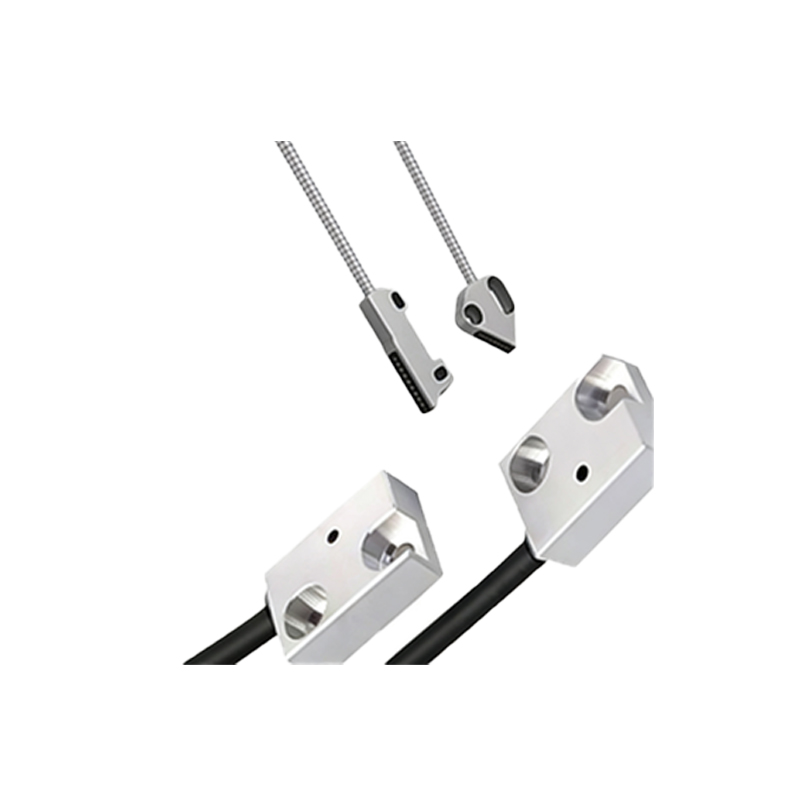
Effective design transcends material choice. The geometric shape of the reflector—commonly a corner-cube or prismatic array—is crucial. A corner-cube retroreflector is designed to return the incident light beam directly to its source (the sensor) regardless of the angle of incidence within a specified range. This design ensures a strong return signal even if the reflector becomes slightly misaligned due to thermal expansion or vibration. Engineers must meticulously calculate the prism angles and surface finishes to maximize the signal-to-noise ratio. Furthermore, the mechanical housing must accommodate differential thermal expansion between the reflective element and its mount to prevent cracking or delamination.
Key Performance Metrics and Testing
Evaluating a high-temperature reflector involves rigorous testing against specific metrics. The primary specification is the operational temperature range, often categorized for continuous use and peak exposure. Reflectivity, measured as a percentage of returned light, must remain above a defined threshold (e.g., >90%) throughout this range. Long-term thermal aging tests assess material degradation over thousands of hours. Other tests include thermal shock resistance (rapid cycling between extremes), resistance to coolants and industrial chemicals, and performance under intense vibration. Compliance with standards such as IP67 or IP69K for ingress protection is also vital for harsh environments involving washdowns or dust.
Implementation and Mounting Considerations
Proper installation is key to realizing the designed performance. Mounting hardware must be made from compatible materials, such as stainless steel, to avoid galvanic corrosion or failure. Engineers should allow for thermal expansion in the mounting scheme, using slotted holes or flexible brackets. The alignment, while less critical with retro-reflective designs than with standard reflectors, should still be performed at the system's operational temperature if possible, as metal brackets may expand and shift the reflector's position. Ensuring a clean, unobstructed optical path is always essential, as buildup of smoke, steam, or debris can attenuate the light signal independently of the reflector's quality.
Industry-Specific Application Scenarios
These specialized components enable automation in previously challenging sectors. In automotive manufacturing, they are used within paint shop ovens and near welding robots. In the glass industry, they detect glass bottles or sheets on lehrs (annealing ovens). Food and beverage packaging lines utilizing high-temperature sterilization processes rely on them for container tracking. Within foundries, they assist in monitoring molten metal flow or detecting castings on cooling conveyors. Each application may present unique combinations of heat, contaminants, and mechanical abuse, guiding the selection of the specific reflector material and housing design.
Maintenance and Lifecycle Management
While designed for durability, high-temperature reflectors are not immune to failure. A proactive maintenance schedule should include periodic visual inspections for physical damage, coating degradation, or surface fouling. Cleaning should be performed with appropriate solvents that do not damage the reflective coating or polymer substrate. Monitoring the sensor's received signal strength over time can provide an early warning of reflector performance decay. Keeping a log of operating temperatures and environmental exposures helps in predicting service life and planning replacements during scheduled downtime, thereby avoiding unplanned production stoppages.