Introduction to Proximity Sensing Technology
Proximity sensors are non-contact electronic devices designed to detect the presence or absence of an object within a specific range without any physical contact. These sensors operate by emitting an electromagnetic field or a beam of electromagnetic radiation, such as infrared light, and then looking for changes in the field or return signal. The key advantage is their ability to function reliably in harsh environments where physical contact is impractical, contaminated, or could cause damage. Industries have rapidly adopted this technology due to its precision, durability, and versatility. From simple object detection to complex positioning tasks, proximity sensors form the backbone of automated and safety-critical systems.
Core Function: Object Detection and Positioning
The most fundamental and widespread use of proximity sensors is for object detection and precise positioning. In automated assembly lines, for instance, inductive proximity sensors detect the presence of metallic components like gears or casings on a conveyor belt. This detection triggers subsequent actions, such as robotic arm pickup, drilling, or sorting. Capacitive sensors perform a similar role for non-metallic materials like plastic, wood, glass, or liquids. Photoelectric sensors use light beams to detect objects at greater distances. This application is crucial for counting products, verifying that a part is in the correct position before a machining operation, or ensuring a package is properly placed for sealing.
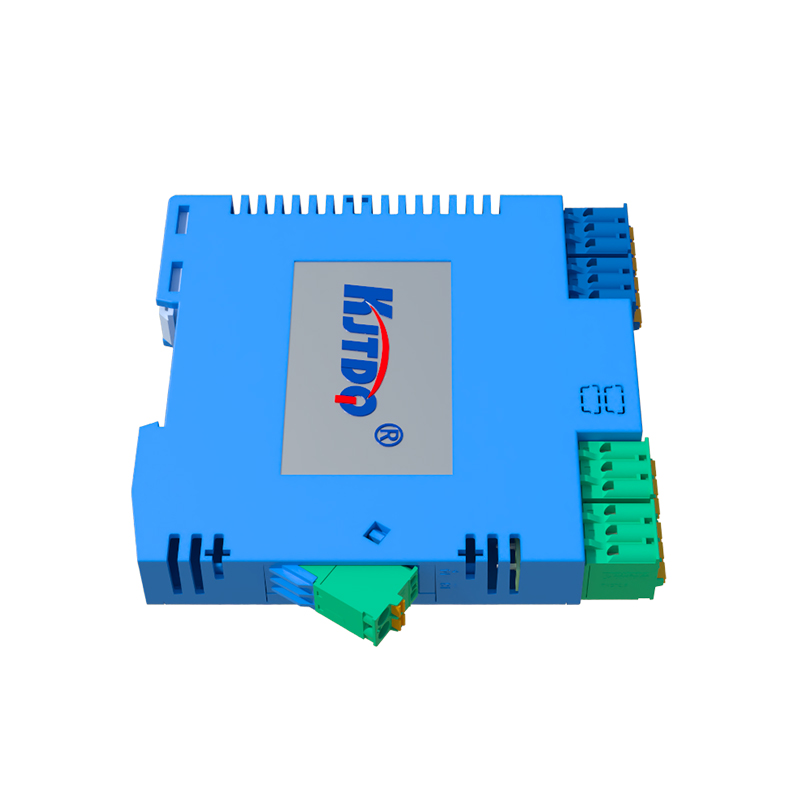
Ensuring Machine and Personnel Safety
Safety is a paramount concern in industrial settings, and proximity sensors play a critical role in safeguarding both machinery and personnel. They are integral components of machine guarding systems. Safety-rated light curtains, a type of photoelectric sensor, create an invisible barrier around hazardous areas like press brakes or robotic cells. If a worker's hand breaks the light beam, the sensor sends an immediate signal to halt the machine, preventing injury. Similarly, magnetic proximity sensors are used on safety doors and access panels; the machine cannot operate unless the sensor confirms the door is securely closed, isolating operators from moving parts.
Enhancing Automation in Material Handling
Material handling systems, including automated guided vehicles (AGVs), palletizers, and warehouse robots, heavily rely on proximity sensors for navigation and load management. Ultrasonic proximity sensors help AGVs avoid obstacles by measuring the distance to walls, racks, or other vehicles. Inductive sensors on conveyor systems detect metal tags or flags to direct packages to the correct sorting lane. In automated storage and retrieval systems (AS/RS), sensors provide precise positioning feedback, ensuring the crane aligns perfectly with a storage bin. This level of automation increases throughput, reduces errors, and optimizes warehouse space.
Critical Role in Automotive Manufacturing
The automotive industry is a major consumer of proximity sensor technology, utilizing thousands of sensors in a single production plant. They are used for weld gun positioning, verifying the presence of brake pads or pistons, detecting engine blocks on transfer lines, and ensuring proper windshield placement. On the assembly line, sensors confirm that doors, hoods, and trunks are open or closed before robots apply sealants or install components. This verifies process completeness and prevents costly rework. The high-speed, high-precision demands of automotive manufacturing make the reliability of proximity sensors indispensable.
Applications in Consumer Electronics and Packaging
In the consumer electronics sector, proximity sensors enable sophisticated user interfaces and device protection. The familiar feature where a smartphone screen turns off when held to the ear during a call is enabled by an infrared proximity sensor. This saves battery life and prevents accidental screen touches. Within the packaging industry, sensors ensure fill levels in bottles and containers are correct. Capacitive sensors can detect the presence of liquid or powder through a non-metallic container wall, while photoelectric sensors verify label placement and check if a box is properly filled with products before sealing.
Monitoring and Control in Process Industries
Process industries such as food and beverage, pharmaceuticals, and chemicals use proximity sensors for level detection and process control. In a storage silo or tank, ultrasonic or capacitive sensors continuously monitor the level of bulk solids, granules, or liquids, providing data to control systems for automated refilling. This prevents overfills or run-outs. In sanitary environments, sensors with smooth, crevice-free housings (often stainless steel) detect the position of valves or actuators, ensuring precise control of ingredient mixing, cooking temperatures, or bottling lines while meeting strict hygiene standards.
Conclusion: The Pervasive Enabler of Modern Industry
In summary, proximity sensors are versatile workhorses essential for object detection, positioning, safety, and automation across virtually every industrial sector. Their ability to operate without contact ensures longevity and reliability in dirty, wet, or otherwise challenging environments. From the high-speed automotive assembly line to the sensitive smartphone in your pocket