Understanding the Fundamentals of Area Height Sensing
Area height photoelectric sensors, often termed as area sensors or multi-beam sensors, represent a sophisticated evolution in industrial sensing technology. Unlike single-point sensors that detect presence at a specific location, these devices create a virtual curtain or plane of light to monitor the height or profile of an object passing through their field. The core principle involves emitting multiple parallel beams of light, typically from an array of LEDs, across a defined area. A corresponding receiver array detects these beams. When an object intrudes into this sensing area, it interrupts one or more of these light beams. By analyzing which specific beams are broken and the pattern of interruption, the sensor's internal logic can determine not just the object's presence, but also its height, size, or whether it exceeds a predefined dimensional threshold. This method provides a reliable, non-contact solution for volumetric inspection.
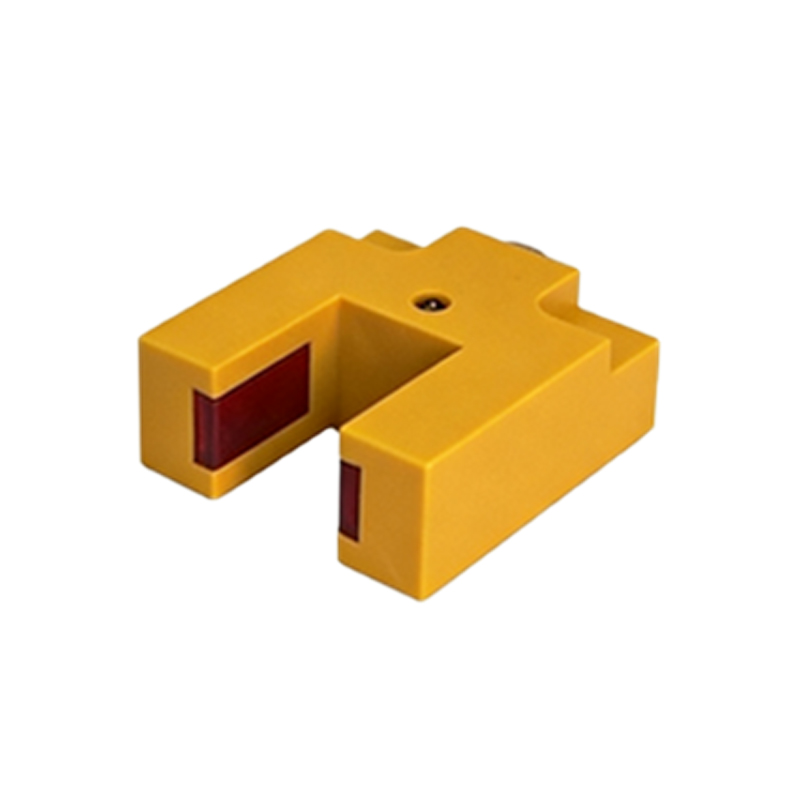
Key Technologies and Operational Modes
Modern area height sensors primarily utilize two technologies: modulated infrared LED light and laser light. LED-based systems are common for general-purpose applications, offering a good balance of range, cost, and robustness. Laser-based sensors provide higher precision, smaller beam spots, and longer sensing ranges, making them ideal for detecting very small objects or for applications requiring exact height measurement. These sensors operate in a through-beam mode, where the emitter and receiver are housed in separate units facing each other. The generated light curtain can have varying densities, from a few beams to several dozen, directly influencing the resolution of the height measurement. Advanced models feature built-in logic functions, allowing them to be programmed for complex tasks like counting objects within a specific height range or triggering an output only when a broken-beam pattern matches a taught profile.
Primary Industrial Applications and Use Cases
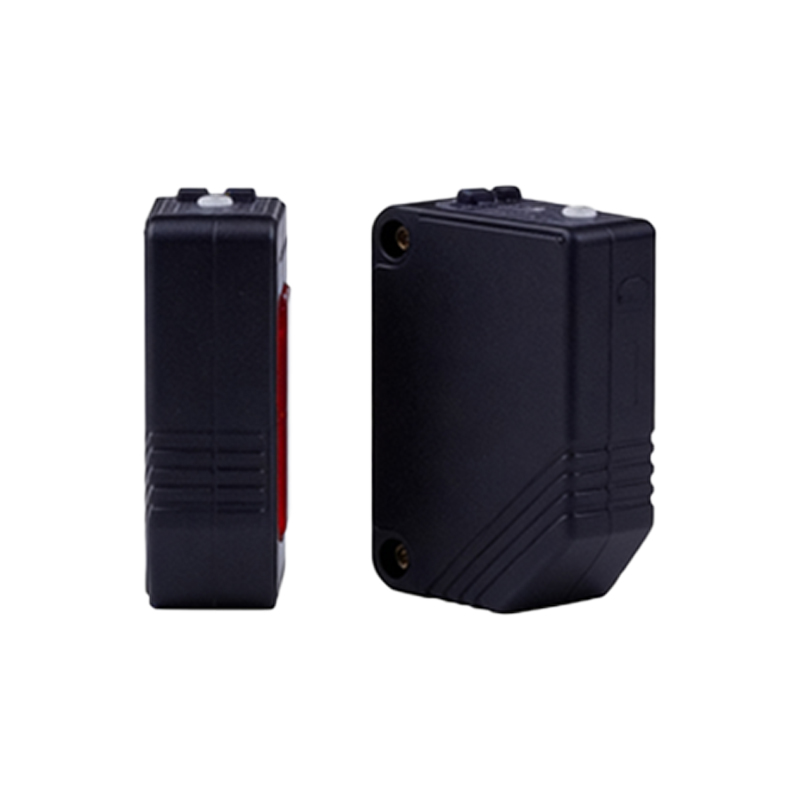
The versatility of area height photoelectric sensors makes them indispensable across numerous industries. In packaging and bottling lines, they are deployed to verify fill levels, check for missing caps, or ensure that cases are not overfilled. Within the automotive sector, they inspect component assemblies, confirm the presence of pistons in engine blocks, or gauge the height of vehicle bodies on assembly tracks. In material handling and logistics, these sensors safeguard automated guided vehicles (AGVs) by detecting overhead obstructions and ensure proper stacking on pallets by profiling load height. They are also crucial for safety applications, such as monitoring safe access zones around machinery, replacing traditional mechanical guards with a non-intrusive light curtain.
Critical Advantages Over Alternative Solutions
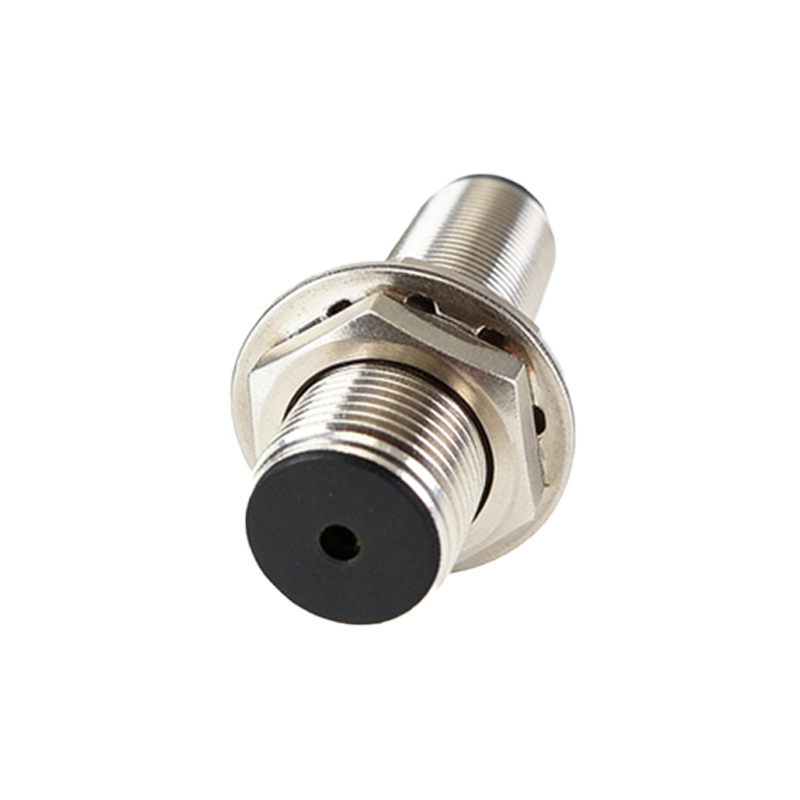
Choosing an area height sensor over a bank of single-point sensors or mechanical limit switches offers significant benefits. The foremost advantage is simplified installation and alignment; a single sensor pair replaces multiple devices, reducing wiring complexity and cabinet space. They provide true dimensional data, enabling proactive process control rather than simple pass/fail detection. Their non-contact nature eliminates wear and tear, ensuring long-term reliability and minimal maintenance. Furthermore, the clean, light-based sensing method is suitable for hygienic environments in food and pharmaceutical production where physical contact is undesirable. The ability to detect transparent objects, like glass or plastic films, which might challenge other sensor types, is another key strength when properly configured.
Essential Selection Criteria for Engineers
Selecting the appropriate area height sensor requires careful consideration of several parameters. The sensing height and width define the coverage area. Beam resolution, or the spacing between individual light beams, determines the minimum object size that can be reliably detected. The response time must be fast enough to keep pace with the production line speed. Environmental factors are paramount; the sensor must have a suitable Ingress Protection (IP) rating for dust and moisture, and withstand ambient light interference, temperature swings, and potential vibration. Output options (PNP/NPN, analog, IO-Link) should integrate seamlessly with the existing PLC or control system. Finally, features like teach-in functionality for easy setup, diagnostic LEDs, and robust housing material (often stainless steel or high-grade plastic) contribute to overall system durability and ease of use.
Installation Best Practices and Maintenance Tips
Proper installation is critical for optimal performance. The emitter and receiver must be precisely aligned to ensure all beams are accurately received; many models feature alignment indicators to aid this process. The mounting structure must be rigid to prevent misalignment due to vibration or thermal expansion. The sensor should be positioned so that the target object passes through the light curtain perpendicularly, and at a sufficient distance to avoid physical damage. For maintenance, regular cleaning of the lens surfaces is essential to prevent false triggers caused by dust, oil, or debris accumulation. Periodically verifying the sensor's calibration against a master part ensures continued measurement accuracy. Leveraging smart sensors with IO-Link capability allows for remote monitoring of device health and parameters, facilitating predictive maintenance.