Introduction to Proximity Sensing Technology
Proximity sensors are indispensable components in the automation landscape, serving as the silent sentinels of modern manufacturing and processing systems. These non-contact devices detect the presence or absence of objects within their sensing field, triggering critical actions without physical touch. The technology encompasses various types, including inductive, capacitive, ultrasonic, and photoelectric sensors, each tailored for specific materials and environmental conditions. Their fundamental role is to provide reliable, real-time data to control systems, enabling precise machine operation, enhancing safety protocols, and facilitating complex automated sequences. From assembly lines to robotic arms, the deployment of proximity sensors is a cornerstone of industrial efficiency and intelligence.
The Strategic Role of the Supplier
A proximity sensor supplier is far more than a simple vendor of components; they are a strategic partner in an organization's operational ecosystem. The significance of a supplier extends beyond the transactional delivery of products. It encompasses a deep understanding of application challenges, the provision of technical expertise, and the assurance of supply chain resilience. A competent supplier possesses the engineering acumen to recommend the optimal sensor solution—whether it's a high-temperature resistant inductive sensor for a foundry or a washdown-capable capacitive sensor for a food processing plant. Their ability to provide application-specific support directly influences system uptime, maintenance costs, and long-term operational reliability.
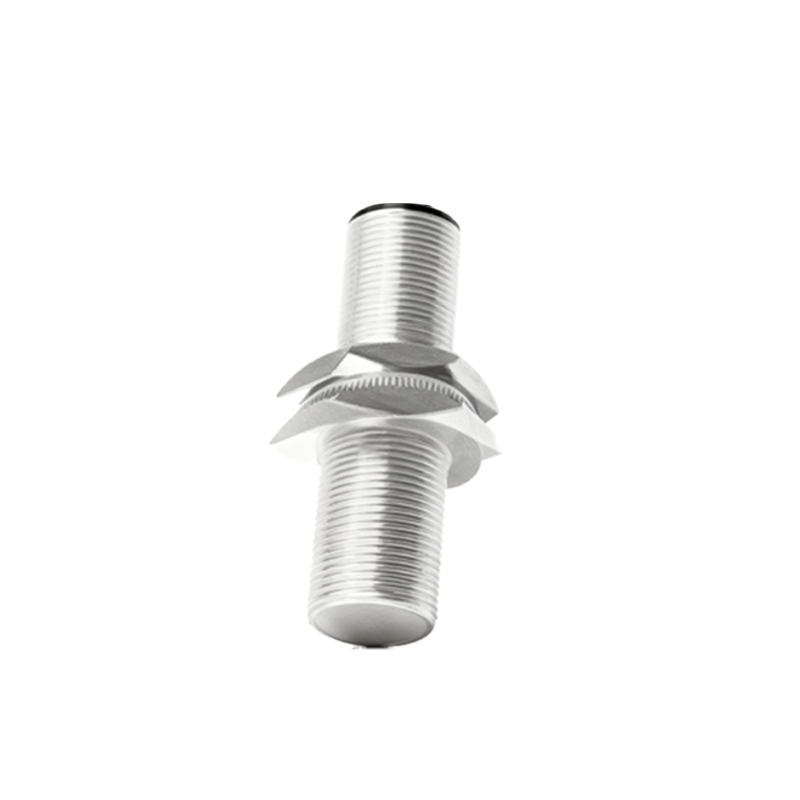
Ensuring Quality and Reliability
In industrial environments where downtime equates to significant financial loss, the quality and reliability of proximity sensors are paramount. Reputable suppliers invest heavily in rigorous quality control processes, adhering to international standards such as IEC and UL. They ensure that each sensor can withstand harsh conditions involving vibration, moisture, extreme temperatures, and electromagnetic interference. By sourcing from suppliers with proven manufacturing excellence, engineers mitigate the risk of premature sensor failure. This reliability translates into predictable maintenance schedules, reduced spare part inventories, and consistent production output, forming the bedrock of a stable and profitable operation.
Driving Innovation and Technological Advancement
Leading proximity sensor suppliers are at the forefront of technological innovation. They continuously invest in research and development to introduce sensors with enhanced features: longer sensing ranges, miniaturized form factors, IO-Link communication capabilities, and advanced diagnostic functions. These innovations empower engineers to design more sophisticated, interconnected, and data-rich systems. Suppliers act as conduits for this advancing technology, providing access to next-generation products that can solve emerging challenges, improve energy efficiency, and integrate seamlessly with Industry 4.0 and IoT frameworks, thereby future-proofing industrial investments.
Simplifying Logistics and Providing Global Support
The logistical prowess of a supplier is a critical, often underappreciated, aspect of their significance. A global supplier network ensures product availability across different regions, minimizing lead times and preventing production stalls. Furthermore, top-tier suppliers offer comprehensive support structures, including detailed documentation, online configuration tools, extensive catalogs, and accessible technical service teams. This support simplifies the specification, integration, and troubleshooting processes for engineering teams, allowing them to focus on core design and optimization tasks rather than grappling with component sourcing or compatibility issues.
Impact on Total Cost of Ownership (TCO)
The choice of a proximity sensor supplier has a profound impact on the Total Cost of Ownership. While the initial purchase price is a factor, the TCO is more significantly influenced by installation costs, energy consumption, maintenance requirements, and mean time between failures (MTBF). A supplier offering high-quality, energy-efficient, and durable sensors contributes to a lower TCO over the asset's lifecycle. Additionally, suppliers that offer value-added services like customized cabling, pre-configuration, or on-site training help reduce integration time and labor costs, delivering substantial long-term economic benefits to the end-user.
Conclusion: A Partnership for Operational Excellence
Ultimately, the relationship with a proximity sensor supplier is a strategic partnership aimed at achieving operational excellence. The right supplier provides not just components, but certainty—certainty of performance, certainty of supply, and certainty of support. In an era defined by automation and smart manufacturing, the role of the supplier is integral to building resilient, efficient, and innovative industrial systems. Selecting a supplier based on technical capability, quality commitment, and collaborative spirit is therefore one of the most consequential decisions an engineering or procurement team can make, with ripple effects felt across the entire value chain.