Understanding the Premium Sensor Market
In the industrial automation landscape, photoelectric sensors are critical components for detection, positioning, and quality control. While numerous brands populate the market, a select few consistently command higher price points. This premium is not arbitrary; it is intrinsically tied to advanced R&D investments, superior materials, rigorous manufacturing standards, and exceptional after-sales support. Companies targeting high-reliability applications in sectors like automotive manufacturing, semiconductor fabrication, and pharmaceutical packaging are often willing to invest in these top-tier brands. The cost reflects a lower total cost of ownership over the sensor's lifecycle, considering factors like mean time between failures (MTBF), reduced downtime, and precision in harsh environments.
Key Drivers Behind Higher Costs
Several technical and commercial factors justify the elevated prices of leading photoelectric sensor brands. Firstly, the incorporation of cutting-edge technologies such as background suppression, precise fiber optic sensing, and advanced IO-Link communication capabilities increases development costs. Secondly, the use of high-grade optical components, robust housings (often with IP67, IP69K ratings), and specialized coatings for resistance to chemicals, oils, and extreme temperatures adds material expense. Furthermore, extensive pre-market testing for EMC compliance, shock/vibration resistance, and long-term stability requires significant investment. Finally, global supply chain logistics for spare parts and access to expert technical support contribute to the overall cost structure, ensuring minimal disruption for the end-user.
Leading Premium Brands and Their Value Propositions
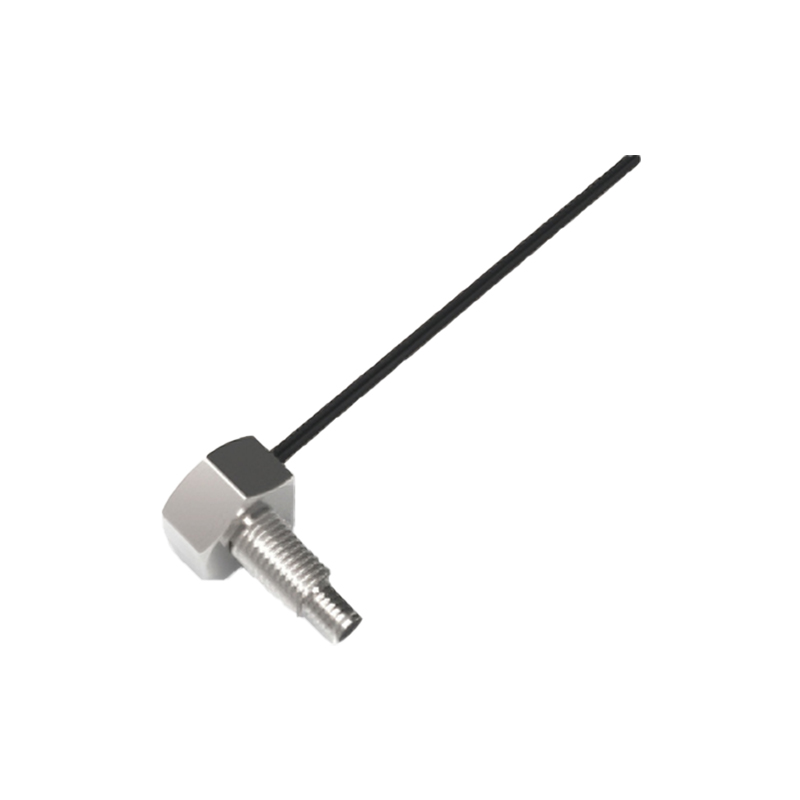
Brands like Sick AG, Keyence Corporation, and Banner Engineering are frequently cited at the higher end of the price spectrum. Sick, a German powerhouse, is renowned for its innovative sensor solutions, exceptional durability, and comprehensive product portfolios tailored for complex tasks. Keyence, a Japanese leader, emphasizes ultra-compact designs, high-speed detection, and user-friendly setup interfaces, often bundling sophisticated software for configuration and monitoring. Banner Engineering, based in the US, offers robust performance, excellent customer service, and a strong focus on ease of integration. These companies invest heavily in application engineering, providing customized solutions that generic brands cannot match, thereby justifying their premium.
The Role of Specialized Features and Customization
Beyond standard diffuse, retro-reflective, and through-beam models, premium brands offer specialized sensors that address niche challenges. Examples include luminescence sensors for detecting transparent materials, color contrast sensors for precise sorting, and ultra-long-range sensors for large-scale applications. The ability to customize housings, sensing ranges, output types, and connectivity protocols for specific machinery or environmental conditions is a hallmark of expensive brands. This level of customization requires flexible manufacturing and deep application knowledge, which is factored into the unit price. For engineers, this means a sensor that fits the application perfectly, reducing integration headaches and potential performance compromises.
Evaluating Total Cost of Ownership (TCO)
While the initial purchase price of a premium photoelectric sensor is higher, a savvy engineer evaluates the Total Cost of Ownership. A cheaper sensor may have a higher failure rate, leading to costly unplanned downtime, production losses, and frequent replacements. Premium sensors typically offer longer service life, higher repeat accuracy, and better resistance to environmental stressors like dust, moisture, and temperature fluctuations. Their advanced diagnostics capabilities can also predict maintenance needs, integrating seamlessly with Industry 4.0 systems for predictive upkeep. Therefore, the higher upfront cost is amortized over years of reliable, maintenance-light operation, often proving more economical in capital-intensive industries.
Making the Right Brand Selection
Selecting a photoelectric sensor brand should be a balance between technical requirements, operational environment, and budget constraints. For non-critical applications with stable conditions, a mid-range brand may suffice. However, for mission-critical processes where detection reliability directly impacts safety, yield, and efficiency, investing in a premium brand is prudent. It is advisable to request samples for in-application testing, review technical specifications meticulously, and consider the availability of local support. The goal is not merely to buy a sensor but to procure a reliable component that ensures continuous, efficient, and safe operation of the automated system for its intended lifespan.