Introduction to Photoelectric Sensor Degradation
Photoelectric sensors are fundamental components in modern industrial automation, providing reliable object detection, positioning, and counting. However, like all electronic and optical devices, they are subject to aging, a gradual decline in performance and reliability over time. This degradation is not a random failure but a predictable process influenced by specific environmental and operational factors. Understanding these causes is crucial for implementing effective predictive maintenance strategies, minimizing unplanned downtime, and extending the operational lifespan of these critical components. The aging process typically manifests as reduced sensing range, inconsistent output signals, increased response time, or complete functional failure. By examining the primary contributors to this decline, engineers and maintenance personnel can better anticipate issues and plan for sensor replacement or refurbishment before a critical failure impacts production lines or safety systems.
Optical Component Degradation: The Light Source
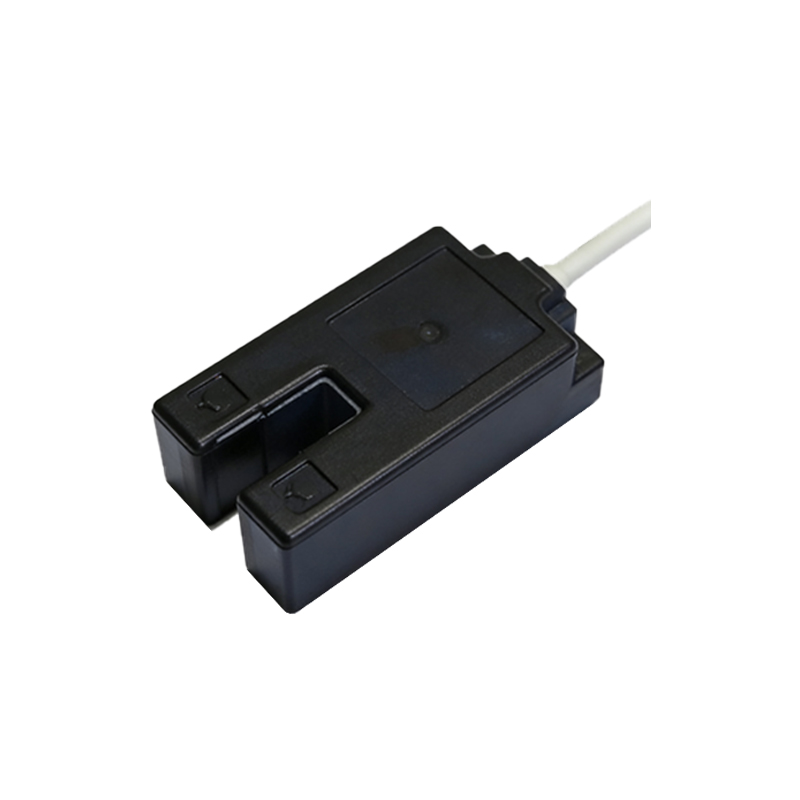
The heart of a photoelectric sensor's aging often lies in its optical components, primarily the light-emitting diode (LED) or laser diode. These light sources have a finite operational lifetime, typically rated in tens of thousands of hours. The primary mechanism of degradation is the gradual decrease in luminous intensity. This is caused by several factors, including semiconductor material degradation, darkening of the epoxy encapsulation due to prolonged exposure to ultraviolet light (in the case of the LED itself or from ambient sources), and electromigration within the chip. For sensors using infrared LEDs, this decay can be particularly insidious as it is invisible to the human eye. The reduced output intensity directly translates to a shorter effective sensing range. Furthermore, the emitted wavelength may shift slightly over time, which can affect performance if the receiver is tuned to a specific spectral band. In harsh environments, contaminants like oil mist or dust can coat the emitter lens, further attenuating the light output and accelerating perceived aging.
Receiver Sensitivity Decline
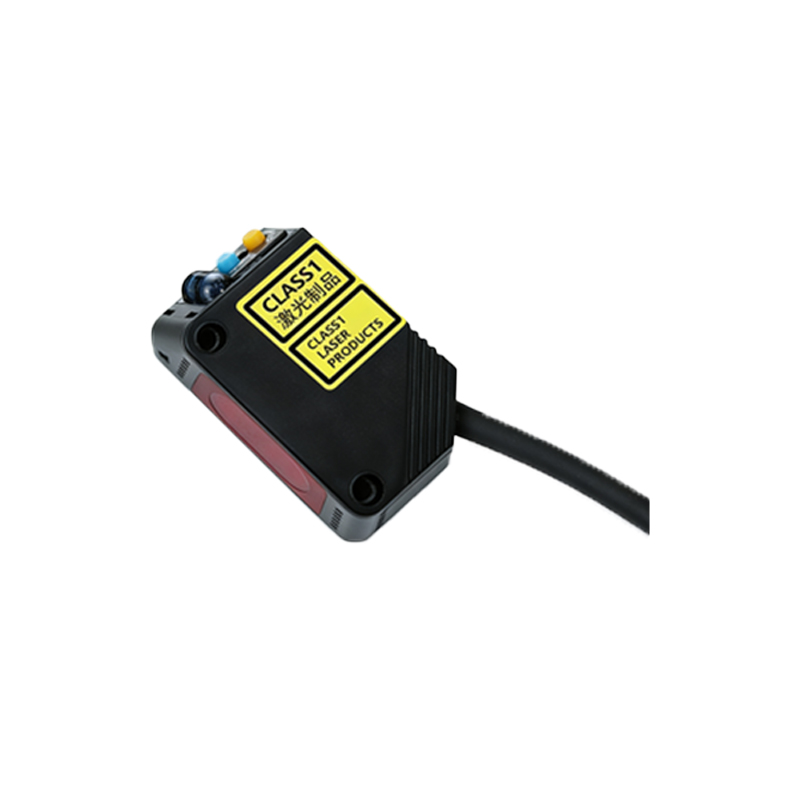
The phototransistor or photodiode on the receiver side is equally susceptible to aging. These components can experience a reduction in photosensitivity. Prolonged exposure to intense light, even from the sensor's own emitter in a reflective setup, can lead to photodegradation of the semiconductor material. More commonly, environmental factors are the culprit. Accumulation of dirt, grease, or chemical residues on the receiver lens creates a filter that blocks incoming light, forcing the sensor to operate with a diminished signal. Internally, thermal stress from continuous operation or high ambient temperatures can cause microscopic changes in the receiver's crystal structure, altering its gain and response characteristics. This decline means the receiver requires a stronger light signal to trigger, effectively reducing the sensor's immunity to noise and its ability to detect faint or distant objects reliably.
Environmental Stress and Contamination
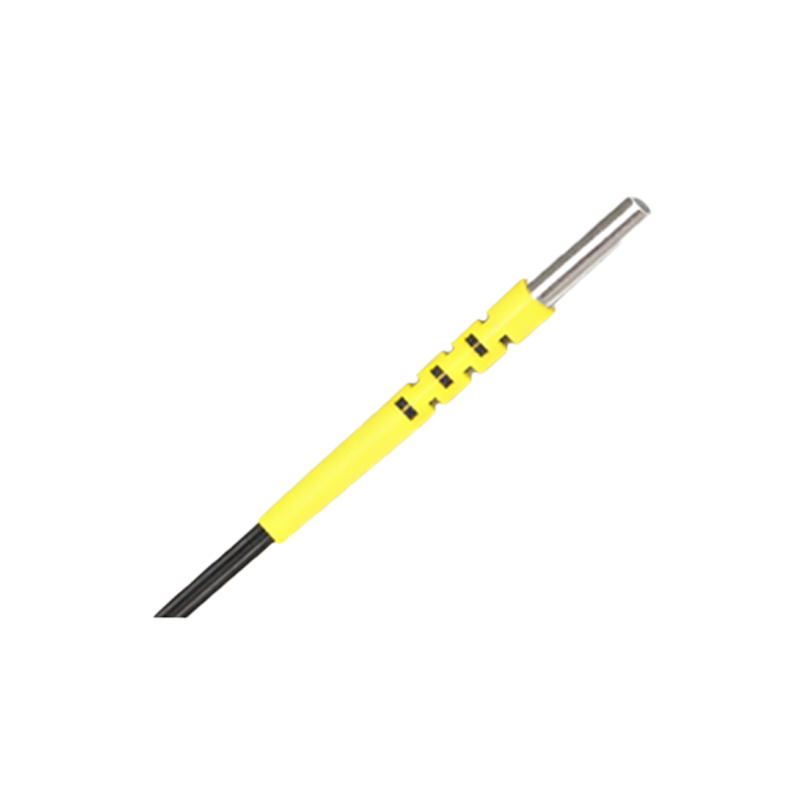
The operating environment is arguably the most significant accelerator of photoelectric sensor aging. Industrial settings expose sensors to a multitude of stressors. Chemical exposure is a major concern; vapors from solvents, oils, coolants, or cleaning agents can attack plastic housings and lenses, causing clouding, cracking, or chemical etching. This not only obscures the optical path but can also lead to ingress of contaminants. Temperature extremes are another critical factor. Excessive heat accelerates the electronic and chemical degradation processes within all components, while extreme cold can make plastics brittle and affect electronic response times. Thermal cycling—repeated heating and cooling—induces mechanical stress on solder joints and internal connections, potentially leading to crack formation and intermittent failures. Particulate contamination from dust, metal shavings, or powder creates a coating on lenses, directly attenuating light transmission.
Electrical and Mechanical Wear
Aging is not solely an optical phenomenon. The electrical components within the sensor's circuitry are subject to wear. Voltage transients, surges, and electrical noise on the supply lines can cause cumulative damage to sensitive integrated circuits and voltage regulators, leading to drift in operating parameters or sudden failure. Continuous operation at the upper limits of the sensor's electrical ratings generates excess heat, shortening component life. Mechanically, sensors in vibrating environments can suffer from loosened mounting hardware, misalignment of the optical axis, or fatigue failure of internal wires and connections. For sensors with moving parts, such as certain fiber optic sensor assemblies or units with adjustable potentiometers, mechanical wear from repeated adjustment or vibration can lead to failure. The integrity of cable connections and strain relief is also a common point of failure over time, leading to broken wires and signal loss.
Preventive Measures and Conclusion
While aging is inevitable, its rate can be significantly managed through proper selection, installation, and maintenance. Selecting sensors with appropriate Ingress Protection (IP) ratings for the environment is the first defense. Implementing protective measures such as physical guards, air purges to keep lenses clean, and installing surge protection devices on electrical lines can mitigate external stressors. Establishing a regular maintenance schedule for cleaning optical surfaces with appropriate materials is essential. Furthermore, monitoring sensor performance through diagnostic functions (like received light intensity indicators available on many modern sensors) allows for trend analysis and predictive replacement before failure. Ultimately, understanding the multifaceted causes of photoelectric sensor aging—from internal semiconductor decay to external environmental assault—empowers engineers to build more resilient systems. Proactive lifecycle management, based on this knowledge, ensures continued reliability, safety, and efficiency in automated processes, turning an unavoidable degradation into a predictable and manageable operational factor.