What Are Proximity Sensors?
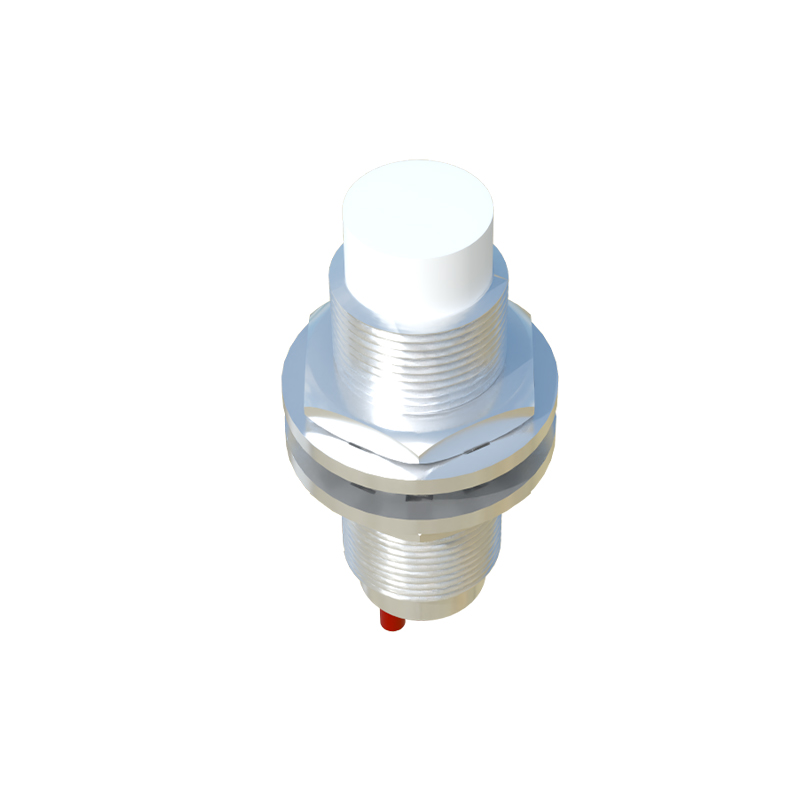
Proximity sensors are electronic devices designed to detect the presence or absence of objects within a specific range without physical contact. These sensors operate by emitting an electromagnetic field, light, or sound waves and analyzing changes in the return signal. Widely used in industrial automation, robotics, automotive systems, and consumer electronics, proximity sensors enable precise, non-invasive detection, enhancing efficiency and safety. They come in various types, including inductive, capacitive, ultrasonic, and optical sensors, each suited to different materials and environments. By converting object detection into electrical signals, proximity sensors facilitate automated control, positioning, and monitoring in countless applications.
How Do Proximity Sensors Work?
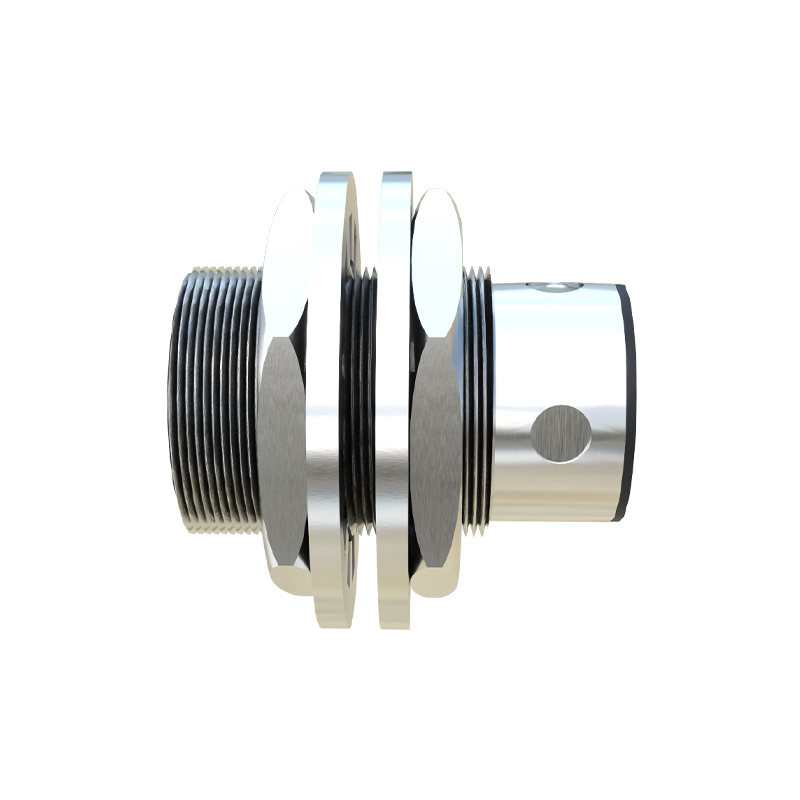
The working principle of proximity sensors depends on their technology. Inductive sensors generate an oscillating electromagnetic field to detect metallic objects, with detection causing a change in oscillation amplitude. Capacitive sensors measure changes in capacitance to identify both metallic and non-metallic materials, including liquids. Ultrasonic sensors emit high-frequency sound waves and calculate distance based on echo time, ideal for varied surfaces. Optical sensors use infrared or laser light to detect interruptions in a beam, offering high accuracy. All types output signals—such as digital switches or analog values—to control systems, ensuring rapid response without wear from mechanical contact.
Types of Proximity Sensors
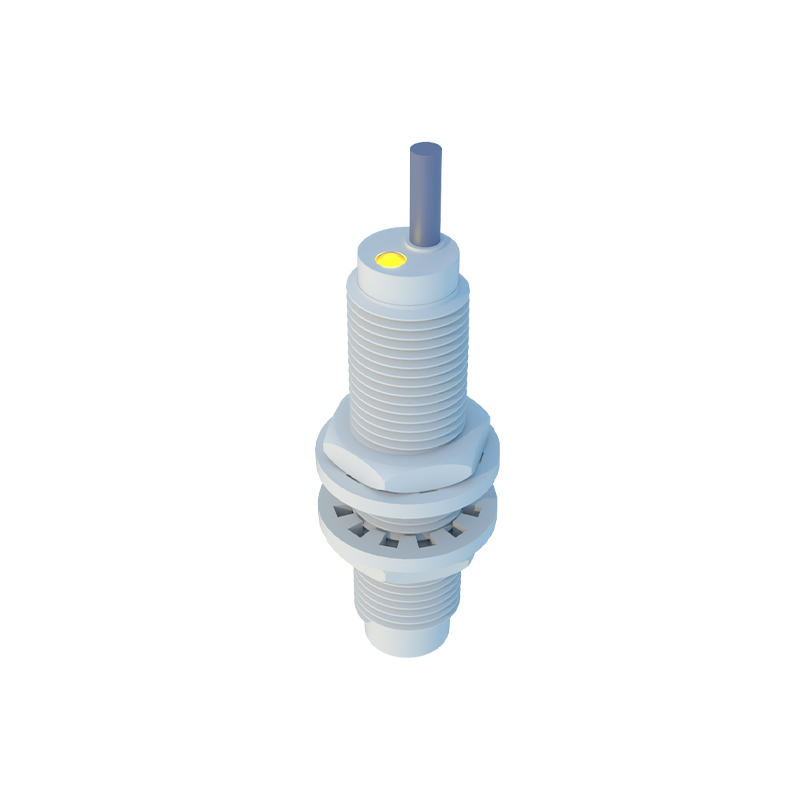
Inductive proximity sensors are common in manufacturing for detecting metals, with ranges up to 60 mm. They are robust, resistant to environmental factors like dust, and used in machinery safety and part counting. Capacitive sensors detect a broader range of materials, including plastics and glass, with ranges typically under 40 mm, applied in level sensing and touch interfaces. Ultrasonic sensors provide longer detection distances, up to several meters, suitable for object positioning and collision avoidance. Optical sensors, including photoelectric and fiber-optic variants, offer precise detection for packaging and assembly lines. Magnetic sensors use Hall effect or reed switches for proximity detection in harsh conditions.
Key Applications in Industry
In industrial automation, proximity sensors are integral to conveyor systems, robotic arms, and CNC machines, where they enable object positioning, part verification, and automated sorting. The automotive industry relies on them for assembly line control, parking assistance, and safety features like airbag deployment. Consumer electronics incorporate proximity sensors in smartphones for screen dimming and in appliances for touchless controls. Additionally, they are used in security systems for intrusion detection, in agriculture for equipment monitoring, and in healthcare for medical device automation. Their versatility supports efficiency, reduces downtime, and enhances operational safety across sectors.
Advantages and Limitations
Proximity sensors offer significant advantages: non-contact operation eliminates mechanical wear, ensuring longevity and reliability. They provide fast response times, high accuracy, and can function in harsh environments with proper sealing. However, limitations exist. Inductive sensors only detect metals, while capacitive sensors may be affected by humidity or temperature changes. Ultrasonic sensors can struggle with soft or angled surfaces, and optical sensors may be disrupted by ambient light or dirty lenses. Selection depends on factors like target material, detection range, environmental conditions, and cost, requiring careful evaluation for optimal performance.
Selection and Installation Tips
Choosing the right proximity sensor involves assessing the application requirements. Consider the target material—metallic objects suit inductive sensors, while non-metallics need capacitive or ultrasonic types. Determine the required sensing distance, response speed, and output type (e.g., NPN/PNP for digital signals). Environmental factors like temperature, moisture, and vibration should guide the sensor's housing and IP rating. For installation, ensure proper alignment and mounting to avoid interference from nearby objects or electrical noise. Regular maintenance, such as cleaning lenses or checking connections, helps sustain accuracy and extends sensor lifespan in demanding settings.
Future Trends in Sensing Technology
The future of proximity sensors is shaped by advancements in miniaturization, IoT integration, and smart manufacturing. Smaller, more energy-efficient sensors are enabling compact designs in wearable tech and mobile devices. IoT connectivity allows sensors to transmit real-time data for predictive maintenance and system optimization. Innovations like AI-enhanced sensors improve object recognition and adaptive sensing. Additionally, the rise of Industry 4.0 drives demand for sensors with higher precision and wireless capabilities, supporting autonomous systems and sustainable operations. As technology evolves, proximity sensors will continue to play a critical role in automation and digital transformation.