Introduction to Photoelectric Sensors
Photoelectric sensors are widely used in industrial automation for detecting the presence, absence, or position of objects without physical contact. These sensors operate by emitting a light beam—typically infrared, visible, or laser light—and measuring changes in the received light intensity caused by an object interrupting or reflecting the beam. The core components include a light source (such as an LED or laser diode), a photodetector (like a phototransistor or photodiode), and signal processing circuitry. Their non-contact nature makes them ideal for applications involving fragile, fast-moving, or hazardous materials, where mechanical sensors might fail or cause damage. Industries rely on photoelectric sensors for tasks ranging from object counting and sorting to level monitoring and safety systems, thanks to their high precision, reliability, and versatility. Understanding their working characteristics is essential for optimizing performance in diverse environments.
Operating Principles and Modes
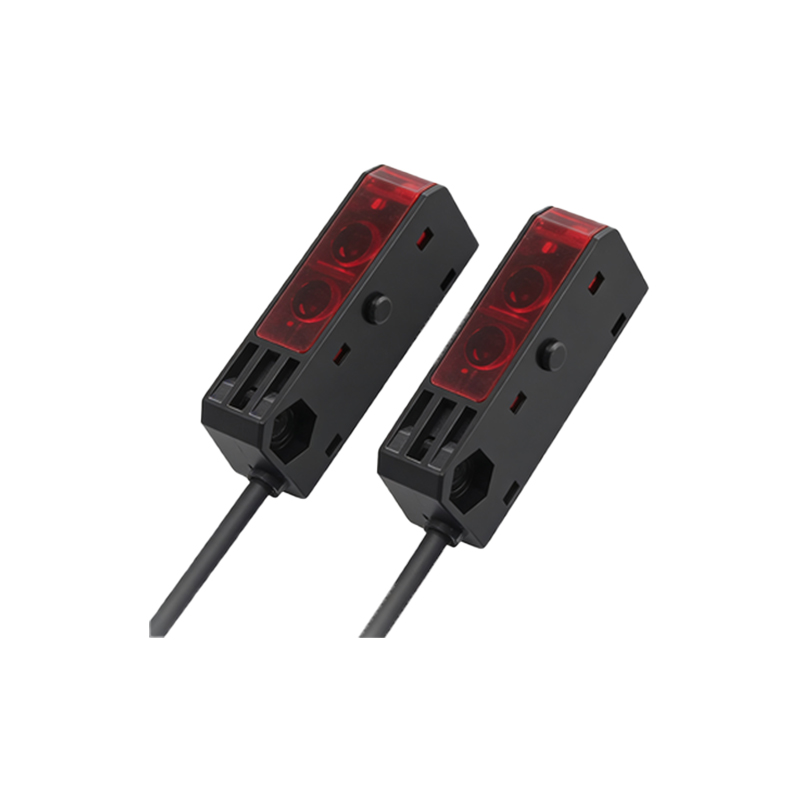
Photoelectric sensors function based on three primary operating modes: through-beam, retro-reflective, and diffuse-reflective. In through-beam mode, the emitter and receiver are separate units placed opposite each other; an object is detected when it breaks the light beam between them. This mode offers the longest sensing distances and highest accuracy, as it is less affected by object color or surface texture. Retro-reflective mode uses a single unit with both emitter and receiver, along with a reflector; detection occurs when an object interrupts the light beam reflected back to the sensor. It provides moderate sensing ranges and is suitable for applications where mounting two separate units is impractical. Diffuse-reflective mode, also known as proximity sensing, involves the emitter and receiver in one housing, detecting objects based on light reflected directly from the surface. While it has shorter sensing distances and can be influenced by object properties, it simplifies installation by requiring only one mounting point. Each mode has distinct advantages, allowing engineers to select the best fit based on factors like range, environmental conditions, and target characteristics.
Key Performance Characteristics
Several critical characteristics define the performance of photoelectric sensors. Sensing distance, or range, refers to the maximum distance at which an object can be reliably detected, varying by mode—through-beam sensors can achieve ranges up to several hundred meters, while diffuse types may be limited to a few centimeters. Response time indicates how quickly the sensor reacts to changes in light, typically measured in milliseconds; faster response times enable high-speed applications like conveyor belt sorting. Repeatability is the consistency of detection under identical conditions, crucial for precision tasks. Environmental factors such as ambient light, dust, moisture, and temperature can impact performance; many sensors feature housings with IP ratings for protection against ingress. Additionally, output types (e.g., digital, analog, or relay) and power supply requirements (commonly 12-24V DC) influence integration with control systems. Engineers must balance these characteristics to ensure reliable operation in specific settings, such as harsh industrial floors or clean rooms.
Factors Affecting Sensor Accuracy
Accuracy in photoelectric sensors is influenced by multiple variables, including target properties, environmental interferences, and alignment issues. The color, reflectivity, and surface finish of objects can alter light absorption and reflection; for instance, dark or matte surfaces may reduce signal strength in diffuse mode, leading to false negatives. Ambient light from sources like sunlight or factory lamps can saturate the photodetector, causing erratic behavior; sensors with modulated light signals (e.g., pulsed LEDs) help mitigate this by distinguishing their own emission from background noise. Contaminants like dirt, oil, or fog on lenses or reflectors can attenuate light beams, requiring regular maintenance or self-cleaning designs. Misalignment between emitter and receiver units in through-beam or retro-reflective setups can degrade performance, emphasizing the need for precise installation and stability. Temperature fluctuations may also affect electronic components and light output, with industrial-grade sensors often including compensation circuits. By addressing these factors through proper selection, calibration, and shielding, users can maintain high accuracy and minimize downtime.
Applications in Industrial Automation
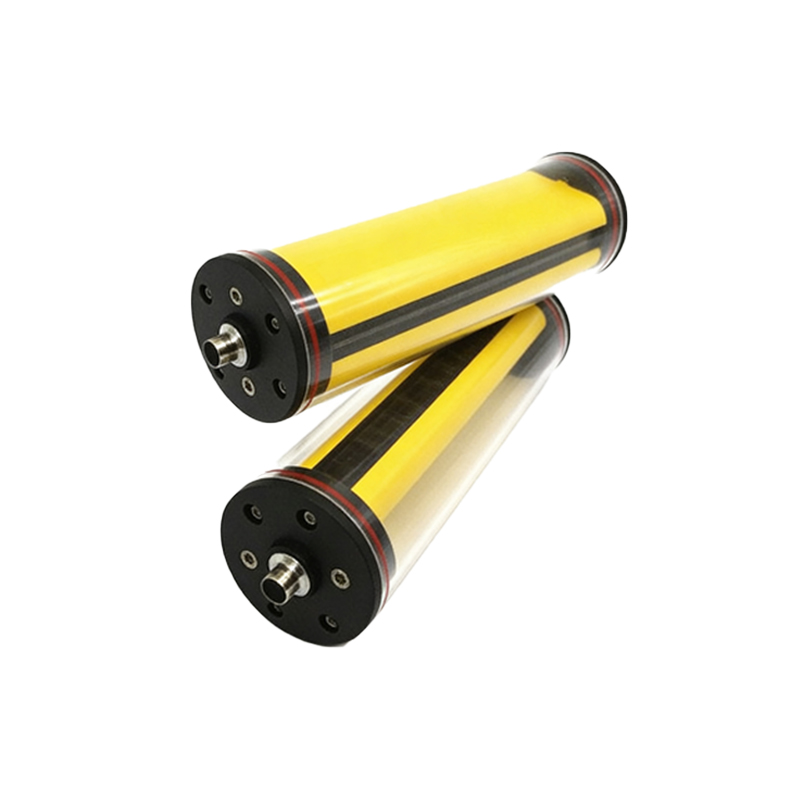
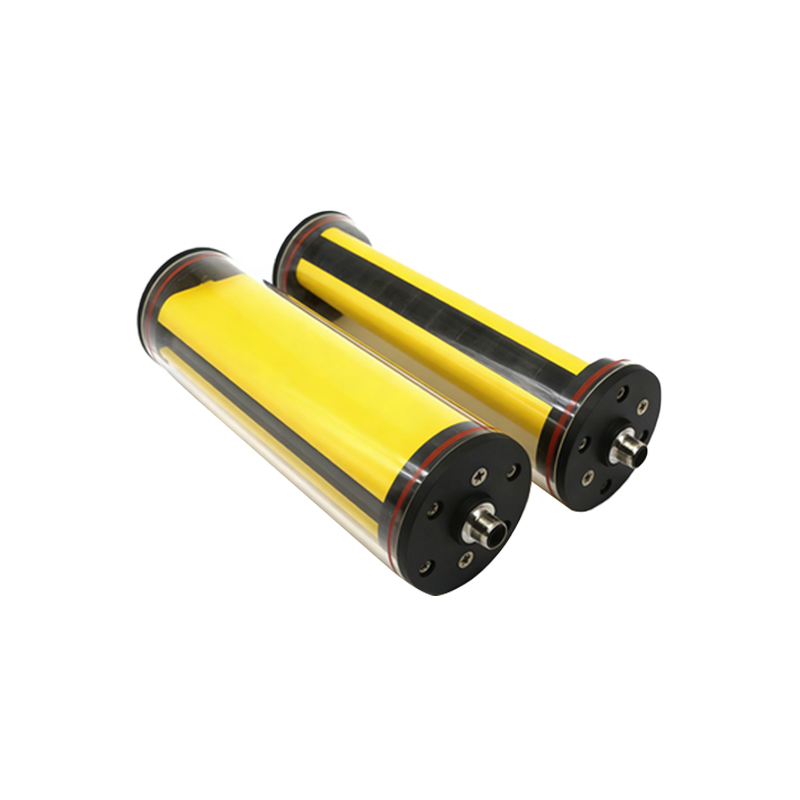
Photoelectric sensors play a vital role in modern industrial automation, enhancing efficiency and safety across various sectors. In manufacturing, they are used for object detection on assembly lines, such as verifying part presence or positioning robotic arms. Packaging industries employ them for counting products, monitoring fill levels, and inspecting labels. In material handling, sensors control conveyor systems by detecting jams or guiding sorting processes. Safety applications include light curtains that create invisible barriers to protect workers from machinery. The food and beverage sector utilizes sensors resistant to washdowns for hygiene monitoring, while automotive plants rely on them for precision welding and painting tasks. Advanced features like background suppression (which ignores objects beyond a set distance) and fiber-optic variants (for tight spaces or high-temperature areas) expand their utility. As Industry 4.0 evolves, photoelectric sensors integrate with IoT networks, enabling real-time data collection and predictive maintenance, thus driving smarter, more responsive automation systems.
Maintenance and Troubleshooting Tips
To ensure long-term reliability, regular maintenance and effective troubleshooting are essential for photoelectric sensors. Start by keeping lenses and reflectors clean from dust, grease, or debris, using soft cloths and appropriate cleaners to avoid scratches. Periodically check alignment, especially in through-beam or retro-reflective setups, as vibrations or mechanical shifts can cause misalignment over time. Verify power supply stability, as voltage fluctuations may lead to inconsistent operation. If a sensor fails, first inspect for physical damage or loose connections, then test with a known object to see if the output signal changes. Use diagnostic tools like multimeters or manufacturer-specific software to analyze signal strength and response. Environmental factors should be reassessed—for example, increased ambient light or new obstructions might require shielding or repositioning. Upgrading to sensors with higher IP ratings or specialized coatings can address harsh conditions. Documenting performance logs helps identify patterns, facilitating proactive replacements before failures occur. By adhering to these practices, engineers can minimize disruptions and extend sensor lifespan in demanding applications.
Future Trends and Innovations
The future of photoelectric sensors is shaped by technological advancements aimed at improving intelligence, connectivity, and adaptability. Miniaturization continues, allowing sensors to fit into compact devices like wearable tech or micro-robotics. Enhanced sensitivity and resolution enable detection of smaller or transparent objects, broadening application scopes. Smart sensors with embedded microprocessors offer self-diagnosis, automatic calibration, and adaptive thresholds, reducing manual intervention. Integration with wireless protocols (e.g., Bluetooth or Wi-Fi) supports remote monitoring and control in IoT ecosystems. Energy-efficient designs, such as low-power LEDs and sleep modes, align with sustainability goals. Additionally, hybrid sensors combining photoelectric principles with other technologies (like ultrasonic or vision systems) provide multi-functional capabilities for complex tasks. As artificial intelligence and machine learning advance, sensors will likely predict failures or optimize processes autonomously. These innovations promise to make photoelectric sensors more robust, versatile, and integral to next-generation automation, driving productivity across global industries.