Introduction to Photoelectric Sensors
Photoelectric sensors are essential devices in modern industrial automation and control systems. They operate by detecting changes in light intensity, which are then converted into electrical signals. These sensors typically consist of a light source, such as an LED or laser, and a receiver, which can be a phototransistor or photodiode. The fundamental principle involves emitting light towards a target and measuring the reflected or transmitted light to determine the presence, absence, or characteristics of the object. This technology is widely used due to its non-contact nature, high precision, and fast response times. Industries ranging from manufacturing to robotics rely on photoelectric sensors for tasks like object detection, counting, and positioning. The versatility of these sensors makes them a cornerstone in achieving efficient and reliable automation processes.
Working Principles of Light Measurement
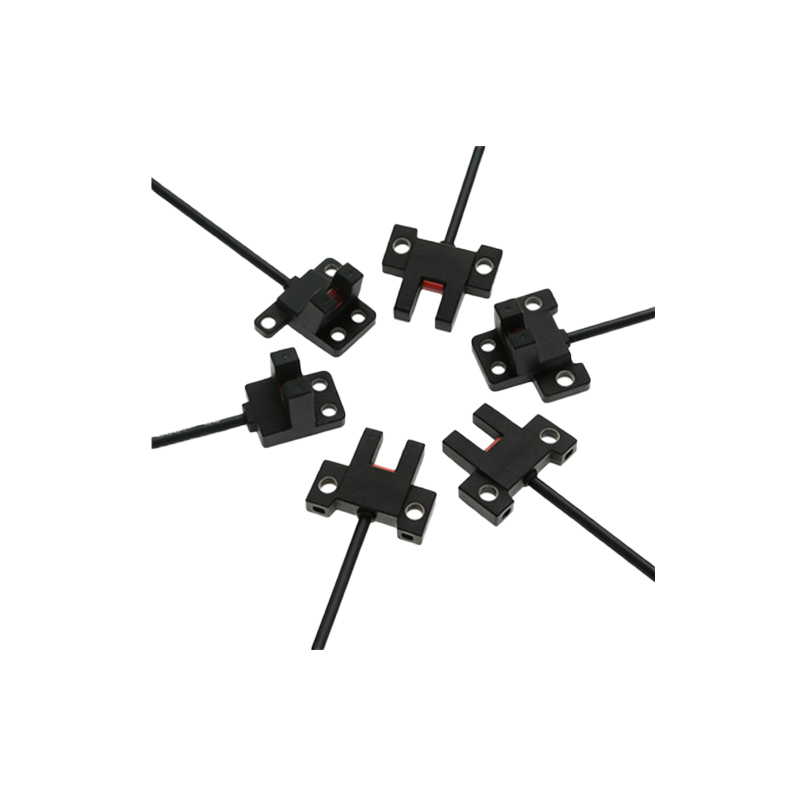
The core of photoelectric sensor operation lies in its ability to measure light accurately. There are three primary methods: through-beam, retro-reflective, and diffuse reflection. In through-beam sensors, the emitter and receiver are placed opposite each other, and the sensor detects when an object interrupts the light beam. This method offers long detection ranges and high accuracy. Retro-reflective sensors use a reflector to bounce light back to the receiver, making them suitable for detecting objects that may not be directly in line with the sensor. Diffuse reflection sensors, on the other hand, rely on light reflecting off the object itself, allowing for more flexible installation. Each method utilizes specific light wavelengths, often in the infrared or visible spectrum, to minimize interference from ambient light. Advanced sensors incorporate modulation techniques to filter out noise, ensuring reliable performance even in challenging environments.
Key Components and Technologies
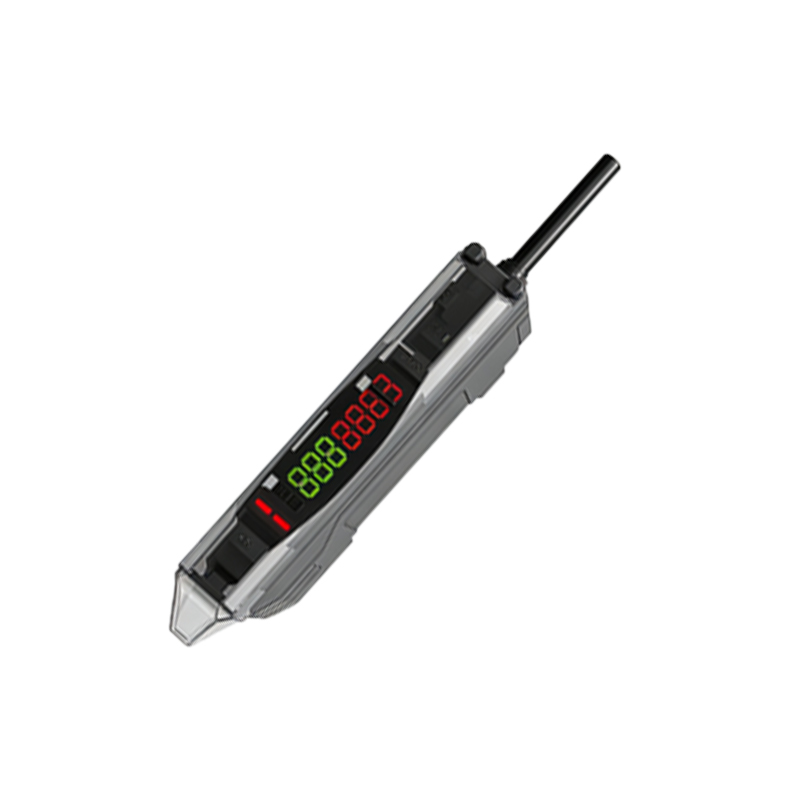
Modern photoelectric sensors integrate various components to enhance light measurement capabilities. The light source is critical, with LEDs being common for their longevity and stability, while lasers provide focused beams for precise applications. Receivers are designed with sensitivity to specific wavelengths, often using silicon-based photodiodes for efficient conversion of light to electrical signals. Signal processing circuits amplify and filter these signals, enabling the sensor to distinguish between targets and background noise. Additionally, many sensors feature adjustable sensing ranges, response times, and output configurations (e.g., digital or analog outputs) to suit diverse applications. Innovations like fiber-optic cables allow sensors to operate in tight spaces or harsh conditions by separating the sensing head from the electronics. These technologies collectively improve accuracy, durability, and adaptability in industrial settings.
Applications in Industrial Automation
Photoelectric sensors play a vital role in industrial automation by enabling precise light measurement for various tasks. In conveyor systems, they detect objects for sorting, counting, or triggering actions, such as in packaging lines where sensors ensure correct product placement. In robotics, sensors guide arms by measuring distances or identifying parts, enhancing assembly accuracy. They are also used in quality control, where they inspect surfaces for defects by analyzing reflected light patterns. For example, in the automotive industry, sensors verify the presence of components during manufacturing. Environmental monitoring applications include detecting liquid levels or smoke by measuring light transmission through media. The non-contact nature of these sensors reduces wear and tear, making them ideal for high-speed or repetitive operations, thereby boosting productivity and safety.
Challenges and Solutions in Light Measurement
Despite their advantages, photoelectric sensors face challenges in light measurement, such as interference from ambient light, surface reflectivity variations, and environmental factors like dust or humidity. To address these, sensors often employ modulated light sources that emit pulsed signals, which receivers can distinguish from constant ambient light. Filters or polarizers may be used to block unwanted wavelengths or reduce glare from shiny surfaces. For dusty or wet environments, sensors with higher IP ratings or protective housings are utilized. Calibration and tuning are essential to adapt to different materials and colors, as dark objects absorb more light than light ones, affecting detection reliability. Advanced models include teach-in functions for automatic adjustment, ensuring consistent performance. Regular maintenance, such as cleaning lenses, also helps mitigate issues, prolonging sensor lifespan and accuracy.
Future Trends and Innovations
The future of photoelectric sensor technology is driven by trends toward smarter and more integrated systems. Innovations include the development of miniaturized sensors with enhanced sensitivity, allowing for use in compact devices like wearable electronics or medical instruments. The integration of IoT connectivity enables sensors to transmit data wirelessly for real-time monitoring and predictive maintenance, reducing downtime in factories. Machine learning algorithms are being incorporated to analyze light patterns for more complex tasks, such as identifying material types or predicting failures. Energy-efficient designs, using low-power LEDs and solar-powered options, are gaining traction for sustainable applications. Additionally, advancements in laser and spectral analysis may expand uses into fields like agriculture for crop monitoring or security for intrusion detection. These trends promise to make photoelectric sensors even more versatile and essential in a connected world.