Understanding the Role of Light Shields in Photoelectric Sensing
Photoelectric sensors are fundamental components in industrial automation, providing non-contact detection of objects based on the interruption or reflection of a light beam. However, their reliable operation is highly susceptible to ambient light interference from sources such as sunlight, overhead lamps, or other machinery. This is where a light shield, also known as a sunshade or hood, becomes a critical accessory. A light shield is a physical barrier, typically a tube or shroud made of opaque plastic or metal, that mounts over the sensor's lens. Its primary function is to block extraneous light from entering the receiver, ensuring that the sensor only responds to its own emitted light beam. Without this protection, false triggering, unstable operation, and reduced sensing range can occur, leading to costly downtime and production errors in applications ranging from packaging and material handling to automotive assembly.
Key Design Features and Material Considerations
Effective light shield design is not merely about adding a tube; it involves precise engineering to balance protection with performance. The length and inner diameter of the shield are crucial. A longer shield provides better protection against ambient light coming from oblique angles but may restrict the sensor's field of view or require more precise alignment. The inner surface is often matte black or textured to absorb stray light and prevent internal reflections. Materials must be selected for durability in harsh industrial environments. Common choices include rugged ABS plastic for general use, polycarbonate for impact resistance, or stainless steel for high-temperature or washdown applications. Some advanced designs incorporate threading for secure mounting or flexible, bendable necks to allow for precise beam directioning in tight spaces, offering both protection and installation versatility.
Types of Light Shields for Different Sensor Models
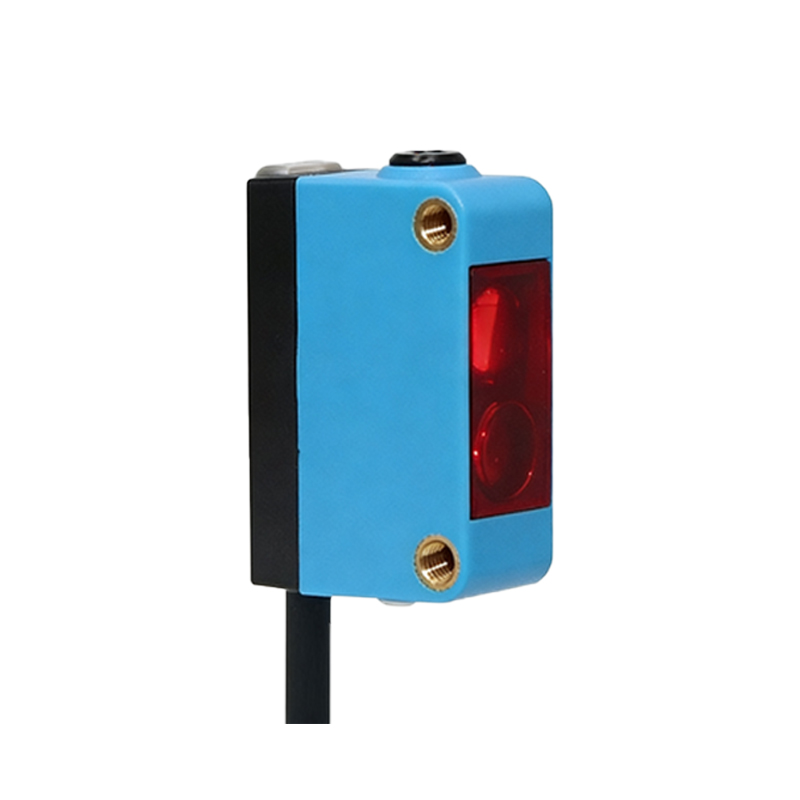
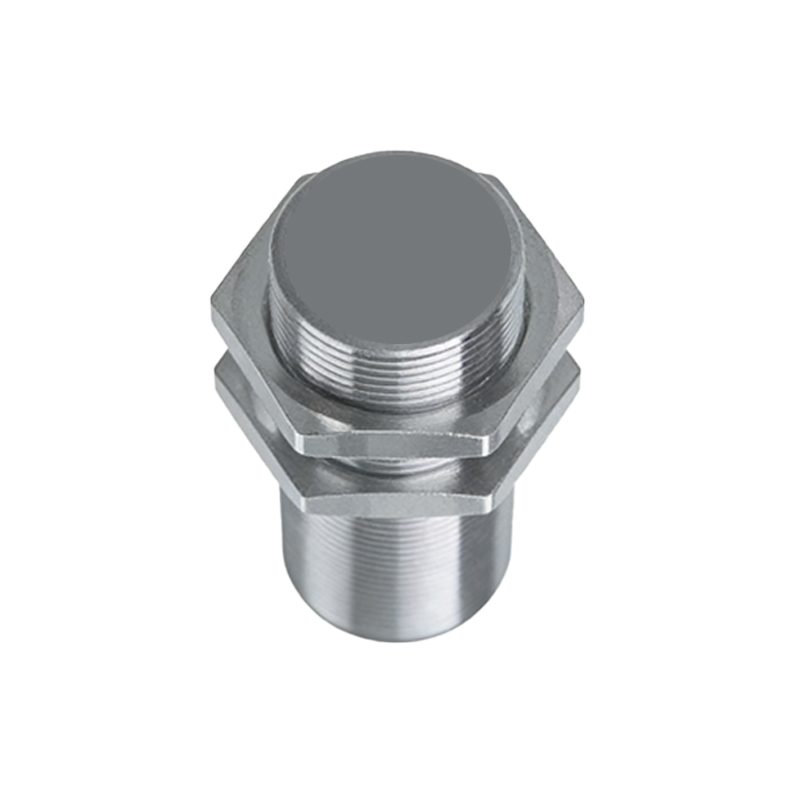
Light shields are not universal; they are engineered to match specific sensor body styles and sensing modes. For compact, cylindrical sensors, a simple screw-on cylindrical shield is standard. Rectangular or block-style sensors often use clip-on or slide-on shrouds that cover the front face. A critical distinction is made for different sensing modes. Through-beam sensors, with separate emitter and receiver units, typically use straight tubular shields on both units. Retro-reflective sensors, which detect light reflected from a reflector, may use shields with a narrower aperture to prevent detection of shiny non-target objects. Diffuse (proximity) sensors, which detect light reflected directly from the target, often require specially designed shields with a restricted field of view to avoid background interference, sometimes incorporating sighting holes for precise alignment during setup.
Installation, Alignment, and Maintenance Best Practices
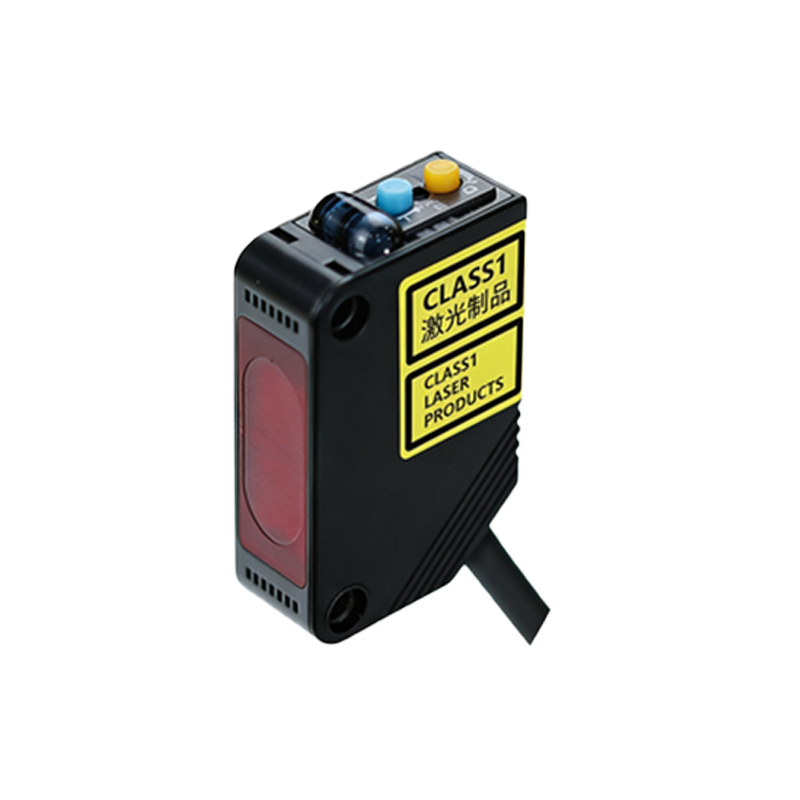
Proper installation is paramount for a light shield to function correctly. The shield must be securely fastened to prevent vibration from misaligning it relative to the lens. During alignment, especially for through-beam systems, technicians must ensure the shield does not physically obstruct the light path. A common practice is to perform initial coarse alignment without the shields, then attach them and perform fine-tuning. Maintenance involves regular inspection for damage, cracks, or accumulation of dust, oil, or debris inside the shield, which can scatter light and degrade performance. In dirty environments, choosing a shield with a slightly larger diameter can help prevent buildup. For sensors in food & beverage or pharmaceutical plants, shields designed for easy cleaning without removal support hygiene protocols and reduce maintenance time.
Impact on Sensing Performance and Application Examples
The correct use of a light shield directly enhances key sensor performance metrics. It significantly improves the signal-to-noise ratio, allowing for longer achievable sensing distances and the detection of smaller or lower-reflectivity objects. Stability is enhanced, minimizing nuisance trips caused by fluctuating ambient light. This reliability is essential in high-speed counting, precise positioning, and safety curtain applications. For instance, in outdoor logistics, sensors on automated guided vehicles (AGVs) use robust, elongated shields to operate reliably under full sunlight. In automated welding cells, sensors with high-temperature metal shields detect parts despite intense glare from the welding arc. Inside electronic assembly machines, miniature sensors with micro-shields accurately detect tiny components without interference from adjacent indicator LEDs or display screens.
Selecting the Right Light Shield: A Practical Guide
Selecting an appropriate light shield requires a systematic evaluation of the application environment. First, identify the sensor model and its sensing mode. Next, assess the primary source of interference: is it direct sunlight, diffuse ambient light, or point-source light from nearby equipment? This determines the necessary shield length and opacity. Consider the physical constraints: is there sufficient space for the shield without causing collisions? Evaluate environmental factors like temperature, exposure to chemicals, UV radiation, and required IP rating. Finally, consult the sensor manufacturer's catalog or technical support. Reputable manufacturers offer a range of certified accessories, including specialized shields for high-precision, hygienic, or explosive atmospheres. Investing in the correct, high-quality light shield is a minor cost that safeguards the performance and longevity of the entire sensing system, ensuring uninterrupted operation and protecting the return on investment in automation technology.