Introduction to Electronic Proximity Sensors
Electronic proximity switch sensors represent a cornerstone of modern industrial automation, enabling non-contact detection of objects. Unlike mechanical limit switches, these devices operate without physical contact, offering superior reliability, longevity, and speed. The core principle involves generating an electromagnetic field or a beam of radiation. When a target object enters this field, it causes a change in the sensor's state, triggering an electronic switch. This fundamental operation eliminates wear and tear, making them ideal for harsh environments with dust, moisture, or repetitive motion. Their versatility spans countless applications, from simple object presence detection to complex positioning tasks in assembly lines, robotics, and material handling systems.
Core Operating Principles and Technologies
Electronic proximity sensors are primarily categorized by their underlying technology. Inductive proximity sensors are the most common type for detecting metallic objects. They contain an oscillator circuit that generates a high-frequency electromagnetic field. When a conductive metal enters this field, eddy currents are induced in the target, which dampens the oscillator's amplitude. This change is detected by a threshold circuit, which subsequently switches the output state. Capacitive proximity sensors, on the other hand, can detect both metallic and non-metallic materials like plastics, wood, or liquids. They function by measuring changes in capacitance between the sensor's active surface and the ground. The presence of any material with a different dielectric constant than air alters this capacitance, triggering detection. Ultrasonic sensors use sound waves, measuring the time-of-flight of an emitted ultrasonic pulse reflected by an object, suitable for distance measurement and level detection.
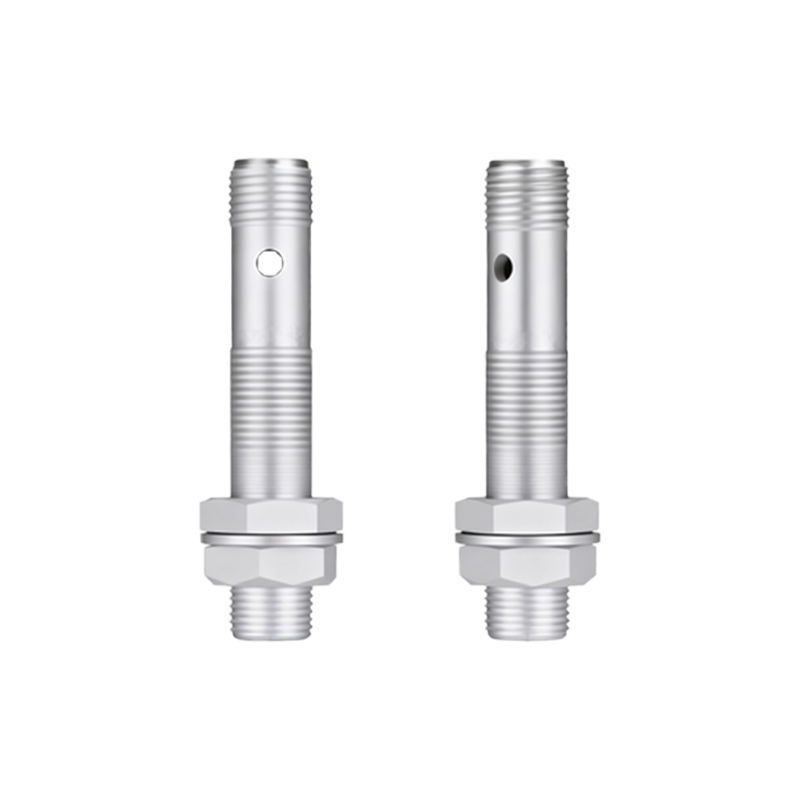
Key Electrical Characteristics and Output Types
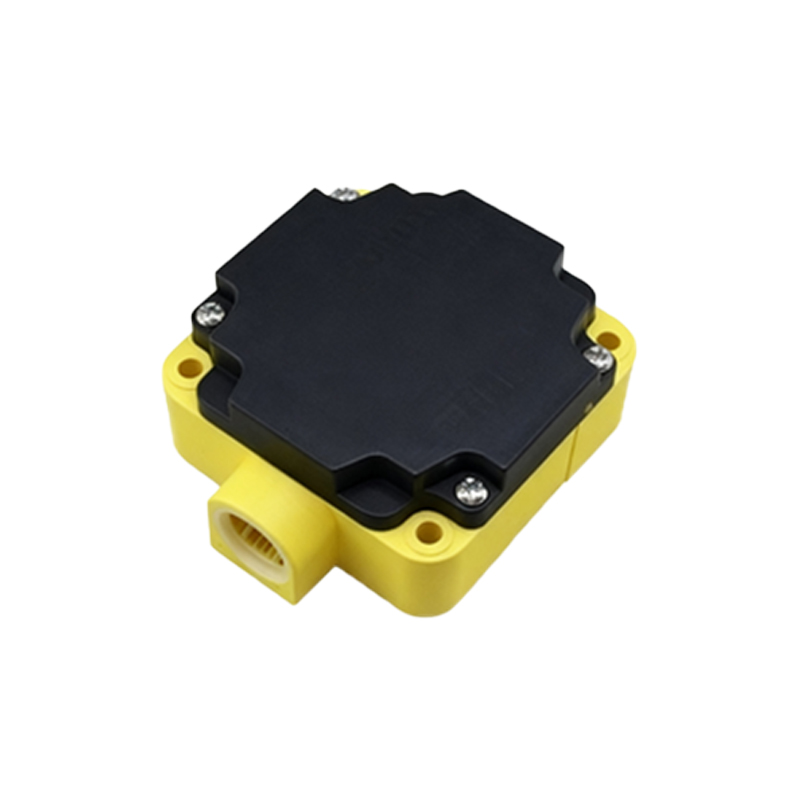
Understanding the electrical specifications is crucial for integration. Most electronic proximity sensors operate on DC voltages (commonly 10-30V DC) or AC voltages. The output is typically a solid-state switch, either as a PNP (sourcing) or NNP (sinking) transistor configuration for DC sensors, or a triac for AC sensors. The choice between PNP and NNP depends on the control system's input card requirements. Many sensors feature a Normally Open (NO) or Normally Closed (NC) contact logic. Advanced models offer analog outputs (4-20mA or 0-10V) proportional to the distance to the target, or digital IO-Link outputs for rich diagnostic and parameterization data. Key parameters include sensing distance, repeat accuracy, response frequency (switching speed), and environmental ratings like IP67 for dust and water ingress protection.
Application Scenarios in Industrial Automation
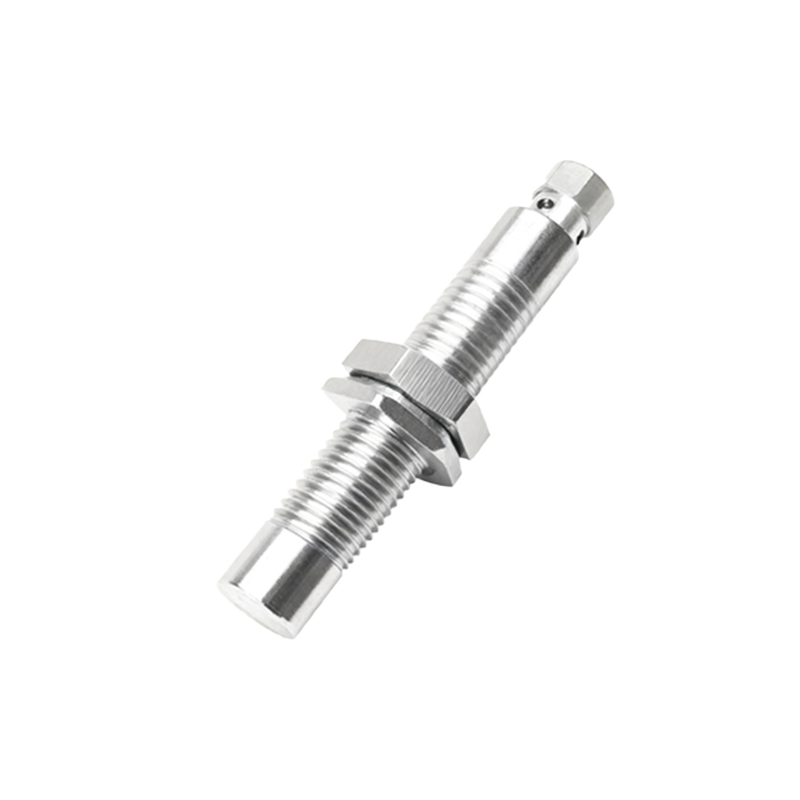
The applications for electronic proximity sensors are vast and integral to Industry 4.0. In manufacturing, they are used for part counting, jam detection, and end-of-travel limits on actuators. On conveyor systems, they detect product position for sorting or robotic pick-and-place operations. Inductive sensors are indispensable in metal machining for tool break detection or monitoring spindle position. Capacitive sensors excel in packaging lines to detect filled levels in bottles or presence of labels. In automated warehousing, they ensure precise positioning of shuttles and cranes. Their robustness allows deployment in aggressive environments like welding cells, where they are shielded from spatter, or in washdown areas in food and beverage processing.
Critical Selection Criteria and Installation Tips
Selecting the correct sensor requires a methodical approach. First, identify the target material to choose between inductive, capacitive, or ultrasonic types. Next, determine the required sensing distance, ensuring to account for a safety factor, typically 70-80% of the nominal range. The sensor's housing shape (barrel, rectangular, ring) must fit the mechanical constraints. Electrical compatibility with the controller (voltage, PNP/NPN) is non-negotiable. Environmental factors such as temperature extremes, chemical exposure, and potential electrical noise interference must be considered. For installation, ensure the sensor is securely mounted, and for inductive types, maintain adequate clearance from surrounding metal to prevent false triggering. Proper shielding and grounding are essential in electrically noisy environments to ensure stable operation.
Advantages Over Mechanical Alternatives and Future Trends
The advantages of electronic proximity sensors are compelling. Their non-contact nature guarantees a virtually infinite operational life with no moving parts to wear out. They offer extremely high switching speeds, often in the kilohertz range, enabling high-speed production lines. Their sealed construction provides excellent resistance to vibration, shock, and contaminants. Looking forward, trends point towards miniaturization, allowing installation in tighter spaces. Enhanced intelligence via IO-Link is becoming standard, enabling predictive maintenance through condition monitoring, remote configuration, and detailed diagnostic feedback. Furthermore, the integration of advanced materials and designs is pushing the limits of sensing ranges and accuracy, solidifying their role as a fundamental component in smart factory ecosystems.