Introduction to Infrared Sensing Technology
Infrared (IR) obstacle avoidance and proximity sensors are fundamental components in modern automation, robotics, and smart systems. These devices operate by emitting an infrared light beam and detecting its reflection from an object within a defined range. The core principle relies on the fact that different materials reflect or absorb IR radiation in varying degrees. A typical sensor consists of an IR emitter, usually an IR LED, and an IR receiver, such as a phototransistor or photodiode. When no object is present, the receiver detects minimal IR radiation. When an object enters the sensing field, the emitted IR light reflects off the object's surface and is captured by the receiver. The sensor's circuitry then processes this signal, often converting the intensity of the reflected light into a digital output (high/low) or an analog voltage proportional to the distance. This simple, non-contact method of detection makes IR sensors incredibly versatile, cost-effective, and reliable for numerous applications where physical contact is undesirable or impractical.
Key Operational Principles and Modes
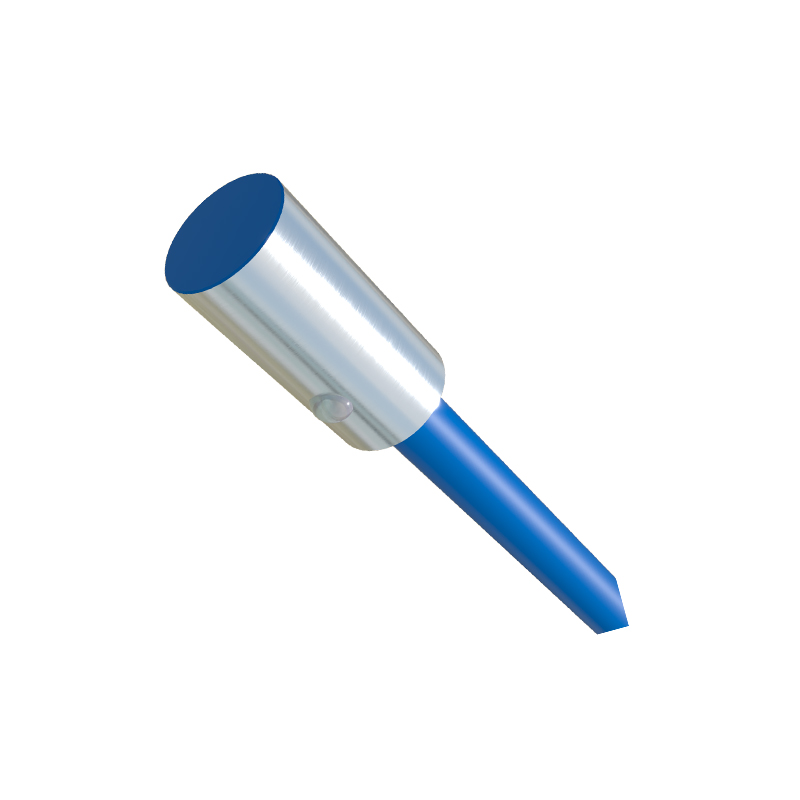
IR proximity sensors primarily function in two distinct modes: diffuse (proximity) mode and beam-break (opposed) mode. In the diffuse or proximity mode, both the emitter and receiver are housed in the same unit. The sensor detects the object based on the reflection of its own emitted beam. The effective range is typically shorter and can be influenced by the object's color, texture, and material; lighter, reflective surfaces are detected at greater distances than dark, absorptive ones. In the beam-break or opposed mode, the emitter and receiver are separate units facing each other. An object is detected when it interrupts the continuous IR beam traveling between them. This mode offers longer, more consistent detection ranges and is less susceptible to variations in the object's surface properties. Advanced sensors incorporate modulation/demodulation techniques, where the IR LED is pulsed at a specific frequency, and the receiver is tuned to that same frequency. This approach significantly enhances immunity to ambient light interference from sources like sunlight or indoor lighting, which also contain IR components.
Critical Performance Parameters for Engineers
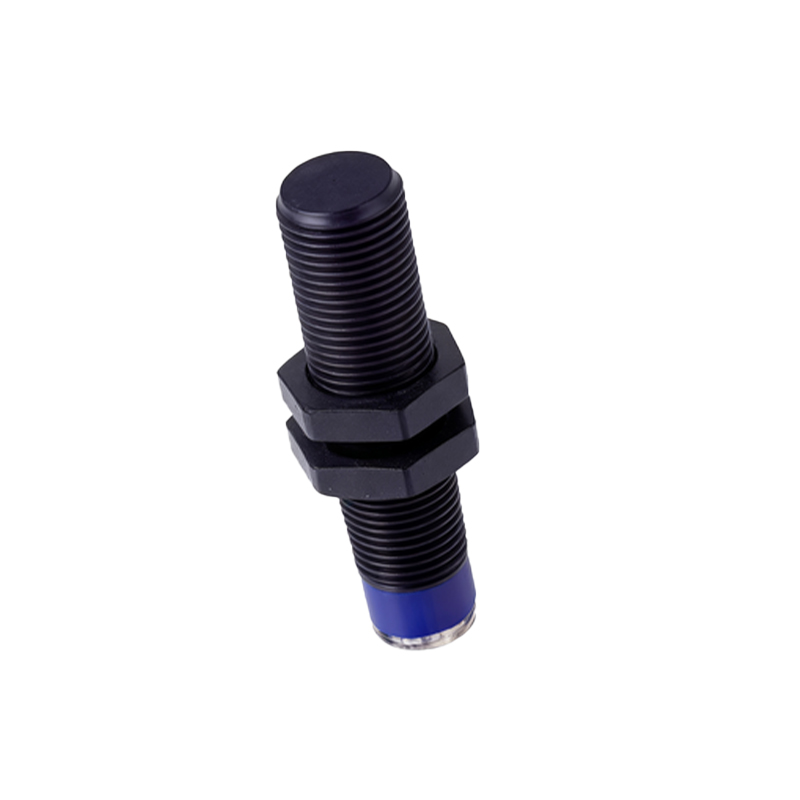
Selecting the appropriate IR sensor requires a careful analysis of several technical specifications. The sensing range is paramount, varying from a few centimeters to several meters, depending on the model and mode of operation. Response time, the delay between detection and output signal change, is crucial for high-speed applications. The repeatability or accuracy defines how consistently the sensor detects an object at the same point. Engineers must also consider the sensor's output type: digital (TTL, NPN, PNP) for simple presence detection, or analog (0-5V, 4-20mA) for distance approximation. Environmental factors pose significant challenges. Dust, fog, or steam can scatter the IR beam, causing false triggers or reduced range. Extreme temperatures can affect the performance of electronic components and the IR diodes. Furthermore, highly reflective backgrounds or the presence of multiple IR sensors in close proximity can lead to crosstalk and interference, necessitating proper shielding, mounting, or the use of modulated sensors.
Industrial and Commercial Applications
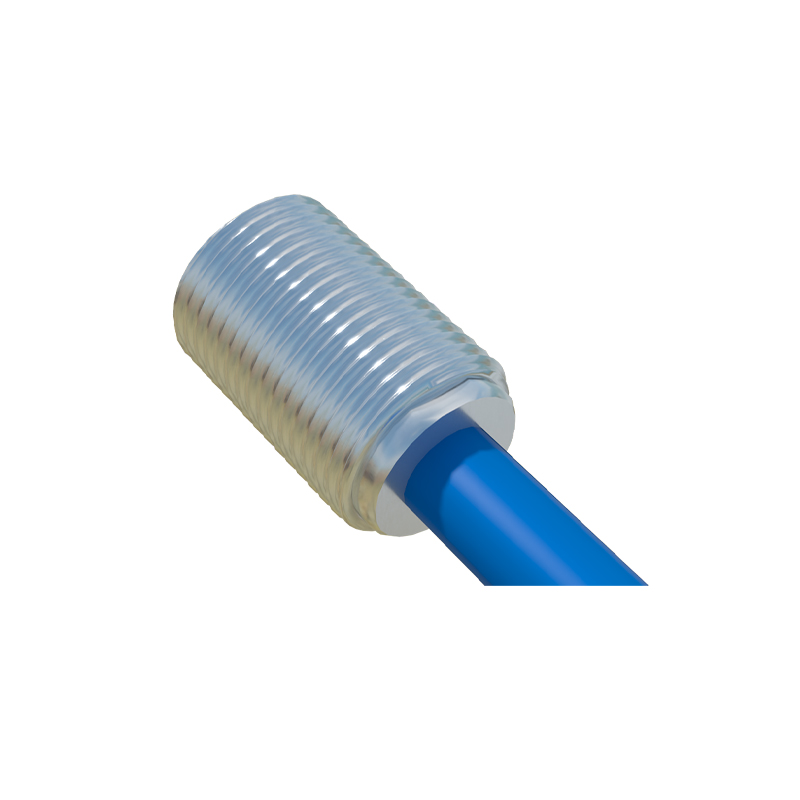
The application landscape for IR obstacle avoidance sensors is vast and growing. In industrial automation, they are ubiquitous on production lines for object counting, jam detection, and precise positioning of parts on conveyors. Mobile robots and Autonomous Guided Vehicles (AGVs) rely heavily on arrays of these sensors for basic collision avoidance and navigation in structured environments. The consumer electronics sector uses miniature IR proximity sensors in smartphones to disable the touchscreen during a call and in smart appliances for touchless interfaces. In the automotive industry, they are employed in parking assistance systems and automatic door controls. Security systems utilize beam-break sensors to create invisible tripwires for perimeter protection. Emerging applications include interactive displays, touchless faucets, and robotic vacuum cleaners, where reliable, low-cost proximity detection is essential. Their non-contact nature ensures no wear and tear, leading to high longevity and minimal maintenance.
Selection and Integration Best Practices
Successful integration begins with a clear definition of the detection task: What is the target material, size, and required detection distance? What are the environmental conditions? For standard presence detection of non-black objects at short ranges, a basic diffuse sensor suffices. For longer ranges, consistent detection regardless of color, or harsh environments, a modulated sensor in beam-break mode is preferable. Mounting is critical; sensors should be secured to minimize vibration and aligned correctly. For diffuse sensors, the background must be considered—placing a sensor to detect an object against a highly reflective background can be problematic. Electrical integration involves ensuring compatible voltage levels (e.g., 5V, 12V, 24V DC)