Introduction to Photoelectric Sensing Technology
Photoelectric sensors are pivotal components in modern industrial automation, leveraging light beams to detect the presence, absence, or distance of objects. These devices operate by emitting a light source—typically infrared, visible, or laser—and measuring changes in the received light intensity or time-of-flight. Their non-contact nature ensures minimal wear and tear, making them ideal for high-speed, repetitive tasks in harsh environments. Industries ranging from manufacturing and packaging to automotive and pharmaceuticals rely on photoelectric sensors for precision, reliability, and efficiency. This article delves into the functional classification of these sensors, exploring their diverse operational modes and applications.
Through-Beam Sensors
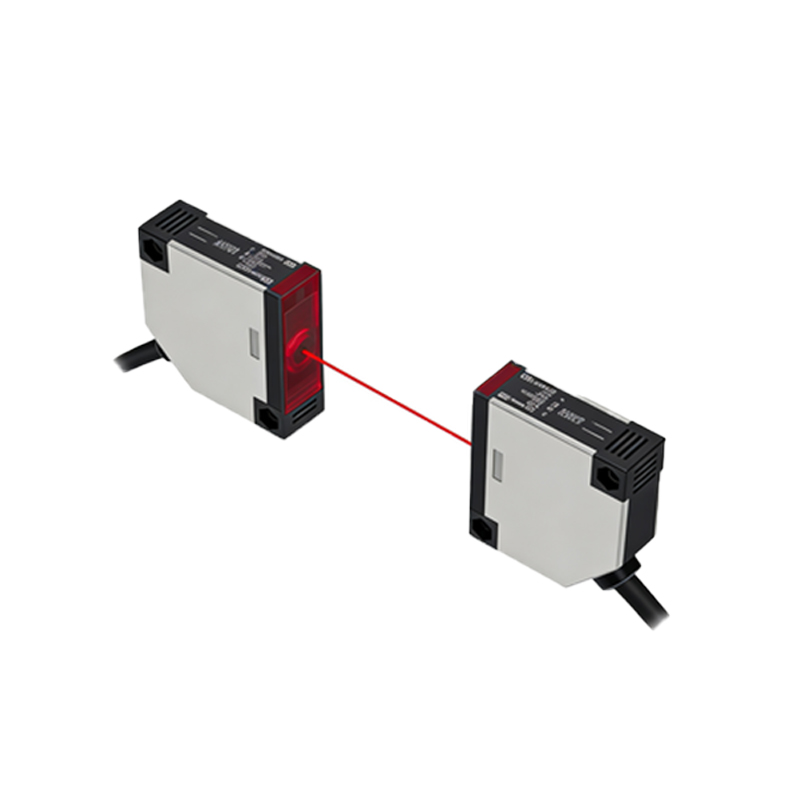
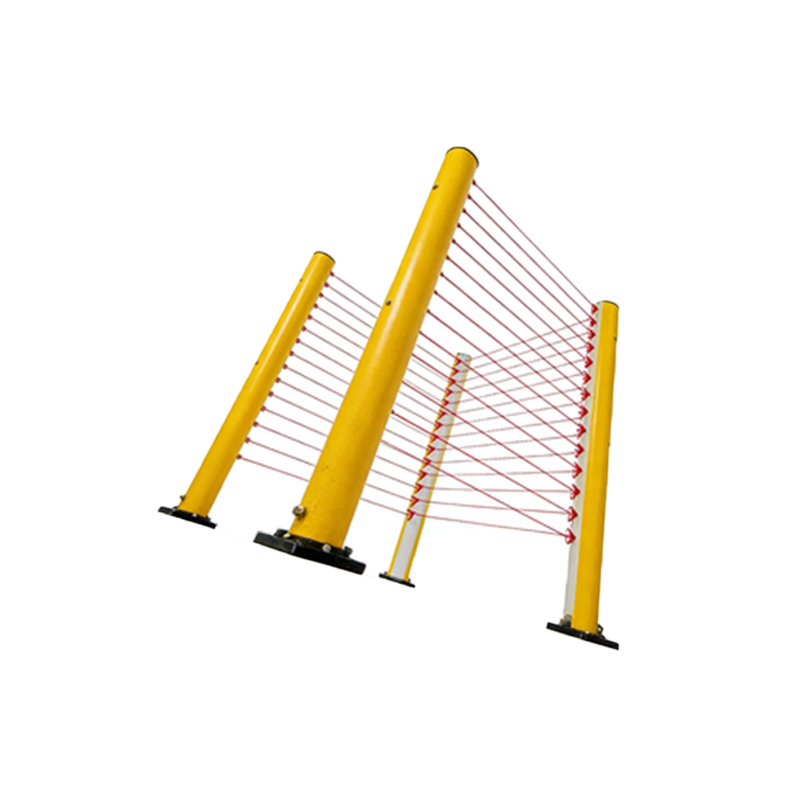
Through-beam sensors, also known as opposed-mode sensors, consist of separate emitter and receiver units positioned opposite each other. The emitter projects a continuous light beam toward the receiver, which detects interruptions when an object passes between them. This configuration offers the longest sensing ranges and highest reliability, as it is less susceptible to environmental factors like dust or surface reflectivity. Common applications include object counting on conveyor belts, safety curtains in machinery, and detecting large items in logistics. However, installation can be complex due to the need for precise alignment of two separate components.
Retroreflective Sensors
Retroreflective sensors integrate the emitter and receiver into a single housing, using a reflector to bounce the light beam back. When an object interrupts the beam, the sensor triggers a response. These sensors are easier to install than through-beam types, as they require only one wiring point and alignment with a reflector. They are suitable for medium-range detection, such as in packaging lines or door control systems. A key consideration is that highly reflective objects might cause false triggers, so models with polarization filters are often employed to distinguish between the reflector and shiny surfaces.
Diffuse Reflective Sensors
Diffuse reflective sensors, or proximity-mode sensors, house both emitter and receiver in one unit, detecting objects based on light scattered back from the target surface. They are compact and simple to install, requiring no separate reflector. Sensing range is shorter compared to through-beam or retroreflective types, and performance can vary with object color, texture, and reflectivity. These sensors are widely used for detecting objects at close range, such as in bottling plants, material handling, and robotic guidance. Advanced versions with background suppression technology can ignore distant objects, enhancing accuracy.
Distance-Setting Sensors
Distance-setting sensors, including background suppression and fixed-field types, utilize triangulation or time-of-flight principles to measure precise distances to objects. They emit a light beam and calculate distance based on the angle or time of reflected light, allowing them to ignore irrelevant backgrounds. This makes them ideal for applications requiring exact positioning, like detecting stacked materials, monitoring fill levels, or guiding assembly robots. Their ability to function independently of object color or reflectivity adds versatility in dynamic industrial settings.
Color and Contrast Sensors
Color sensors detect specific wavelengths of light to distinguish between colors, while contrast sensors identify differences in light intensity against backgrounds. Both types are crucial in quality control and sorting processes. For instance, color sensors can verify label colors in packaging, and contrast sensors can read barcodes or detect marks on products. They often incorporate RGB LEDs or advanced optics to ensure consistent performance under varying lighting conditions, supporting automation in printing, textile, and food industries.
Fiber Optic Photoelectric Sensors
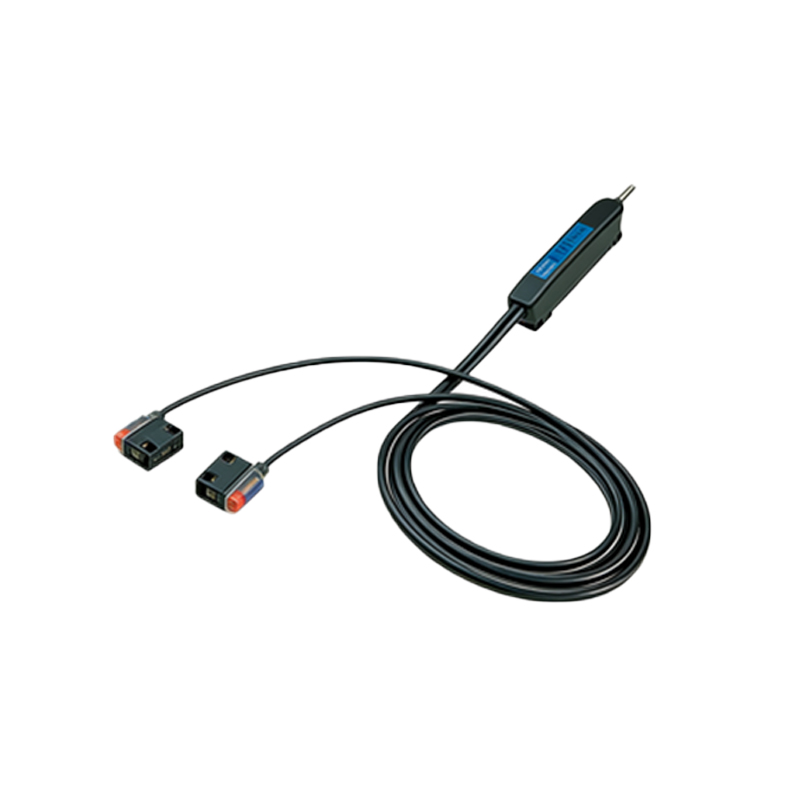
Fiber optic photoelectric sensors use flexible fiber cables to transmit light between the sensor amplifier and sensing point, enabling detection in confined or hazardous spaces. The amplifier can be remotely located, protecting it from extreme temperatures, vibrations, or chemicals. These sensors are highly adaptable, with various tip configurations for through-beam, retroreflective, or diffuse modes. Applications include monitoring small parts in electronics manufacturing, detecting liquids in chemical plants, and ensuring safety in explosive environments.
Laser Sensors for High Precision
Laser-based photoelectric sensors employ focused laser beams for ultra-precise detection and measurement. They offer narrow, intense light spots suitable for small object detection, edge positioning, and thickness gauging. With high resolution and long ranges, laser sensors are used in semiconductor fabrication, precision machining, and automotive alignment. Safety precautions, such as Class 1 or 2 laser classifications, are essential to prevent eye damage in operational areas.
Application-Based Selection Criteria
Choosing the right photoelectric sensor depends on factors like sensing range, environmental conditions, object properties, and required accuracy. Through-beam sensors excel in long-range, reliable detection, while diffuse types offer simplicity for close proximity. Distance-setting sensors provide precision, and fiber optic variants enable access to tight spaces. Understanding these functional classifications helps engineers optimize automation systems for efficiency, reducing downtime and maintenance costs in industrial operations.
Future Trends in Photoelectric Sensing
Advancements in photoelectric sensor technology include integration with IoT for real-time data analytics, miniaturization for compact devices, and enhanced robustness against interference. Smart sensors with embedded diagnostics and connectivity are becoming standard, enabling predictive maintenance and improved system integration. As industries embrace Industry 4.0, photoelectric sensors will continue to evolve, supporting smarter, more adaptive automation solutions worldwide.