Introduction to Sensor Alternatives
In industrial automation, photoelectric sensors have long been a staple for detecting objects, measuring distances, and ensuring process control. However, advancements in technology have introduced several viable alternatives that offer enhanced performance, reliability, and adaptability in challenging environments. These alternatives address limitations such as sensitivity to ambient light, material transparency issues, and maintenance requirements. As industries evolve towards smarter and more integrated systems, exploring these options becomes crucial for optimizing operations and reducing downtime. This article delves into the key alternatives, highlighting their principles, applications, and benefits in modern industrial settings.
Inductive Proximity Sensors
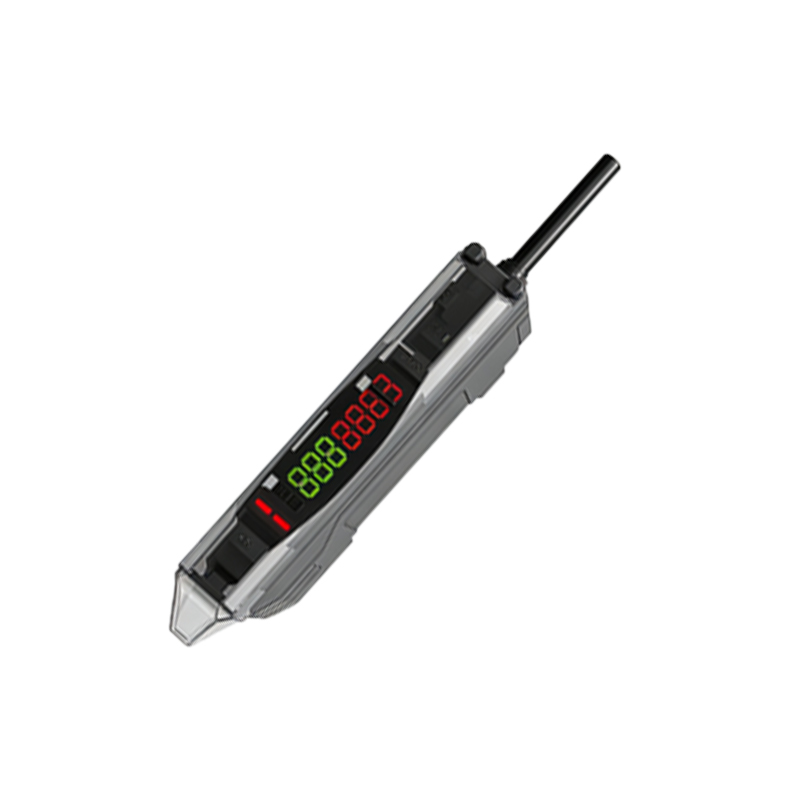
Inductive proximity sensors are a popular alternative to photoelectric sensors, especially in metal detection applications. They operate by generating an electromagnetic field and detecting changes caused by metallic objects within their range. Unlike photoelectric sensors, they are unaffected by dust, dirt, or lighting conditions, making them ideal for harsh environments like manufacturing floors or automotive assembly lines. With no moving parts, they offer high durability and low maintenance. Common uses include position sensing, part counting, and safety interlocks. Their limitation lies in being restricted to metallic targets, but for many industrial processes, this specificity ensures accurate and reliable performance.
Capacitive Sensors for Diverse Materials
Capacitive sensors provide a versatile solution for detecting both metallic and non-metallic objects, including liquids, plastics, and glass. They work by measuring changes in capacitance when an object enters their electric field. This makes them suitable for applications where photoelectric sensors might struggle, such as through-container level detection or presence sensing of transparent materials. They excel in environments with high humidity or contamination, as they are less prone to interference from environmental factors. Industries like food processing, packaging, and pharmaceuticals benefit from their ability to handle diverse materials without direct contact, reducing wear and tear.
Ultrasonic Sensors for Distance Measurement
Ultrasonic sensors use sound waves to detect objects and measure distances, offering a robust alternative to photoelectric sensors in scenarios requiring non-contact sensing over longer ranges. They emit high-frequency sound pulses and analyze the reflected echoes to determine object presence, size, or position. These sensors perform well in dusty, foggy, or dark conditions where optical methods may fail. Applications include tank level monitoring, robotic navigation, and conveyor belt systems. While they can be affected by temperature variations or acoustic interference, modern designs incorporate compensation techniques to enhance accuracy and stability.
Vision Systems and Smart Cameras
Advanced vision systems and smart cameras represent a high-tech alternative, integrating image processing and artificial intelligence for complex detection tasks. Unlike simple photoelectric sensors, they can identify shapes, colors, and patterns, enabling quality inspection, barcode reading, and defect analysis. These systems are highly customizable and can replace multiple photoelectric sensors in automated lines, reducing hardware complexity. Although they require higher initial investment and expertise for setup, their ability to provide detailed data and adapt to changing conditions makes them invaluable in industries like electronics manufacturing and logistics.
Laser Displacement Sensors
Laser displacement sensors offer precision in measuring distance and thickness, serving as an alternative for applications demanding high accuracy. They project a laser beam onto a target and calculate displacement based on the reflected light's position. This technology surpasses photoelectric sensors in resolution and speed, making it ideal for quality control, alignment checks, and micro-measurements in sectors such as aerospace and automotive. They are less affected by surface color or texture compared to traditional optical sensors, though they may require calibration for optimal performance in varying environments.
Conclusion and Future Trends
The shift from photoelectric sensors to alternatives is driven by the need for greater flexibility, resilience, and intelligence in industrial automation. Each alternative—inductive, capacitive, ultrasonic, vision-based, and laser sensors—brings unique advantages tailored to specific challenges. As Industry 4.0 progresses, integration with IoT and machine learning will further enhance these technologies, enabling predictive maintenance and real-time analytics. Engineers should evaluate factors like material properties, environmental conditions, and cost-effectiveness when selecting sensors to ensure optimal system performance and longevity.