Introduction to Micro Proximity Limit Switches
Micro proximity limit switch sensors are compact, non-contact devices designed to detect the presence or absence of objects in automated systems. These sensors operate on principles such as inductive, capacitive, or magnetic sensing, enabling them to function without physical contact with the target. Their small size, typically ranging from a few millimeters in diameter, allows for installation in tight spaces where traditional switches would be impractical. Industries including robotics, medical equipment, and electronics manufacturing rely on these sensors for precise positioning, safety interlocks, and process control. By providing reliable detection with minimal maintenance, micro proximity switches enhance system efficiency and longevity.
Operating Principles and Technologies
Inductive micro proximity switches are the most common type, utilizing an electromagnetic field to detect metallic objects. When a metal target enters the sensing range, it alters the field, triggering a switch output. Capacitive variants sense both metallic and non-metallic materials by measuring changes in capacitance caused by the target's dielectric properties. Magnetic micro switches, often based on Hall effect or reed technologies, respond to magnetic fields, making them ideal for applications involving permanent magnets or ferrous materials. Each technology offers distinct advantages: inductive sensors excel in harsh environments with dust or moisture, capacitive sensors handle diverse materials, and magnetic types provide high precision with low power consumption.
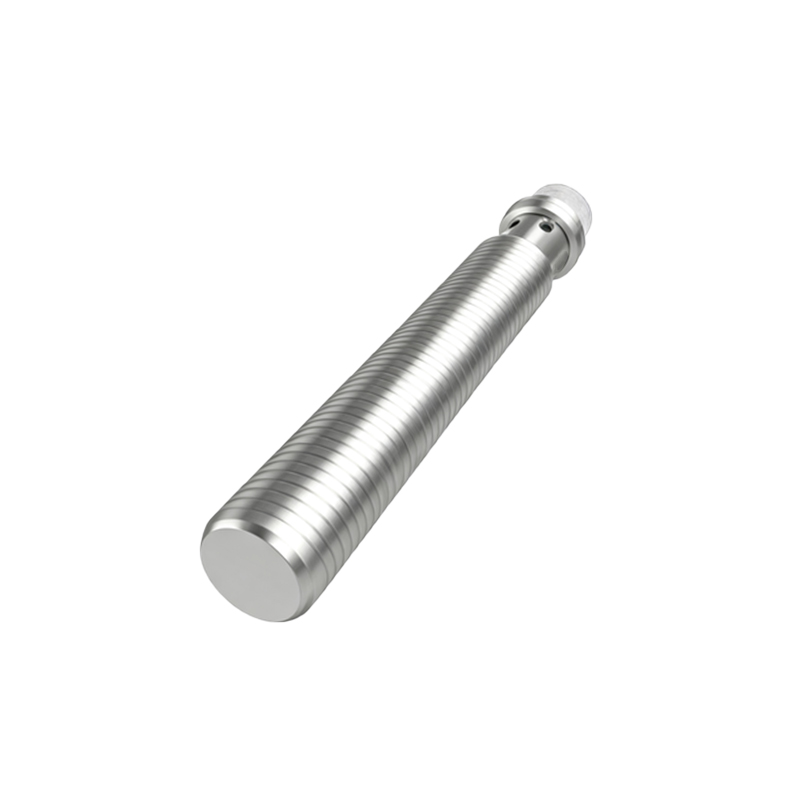
Key Features and Performance Specifications
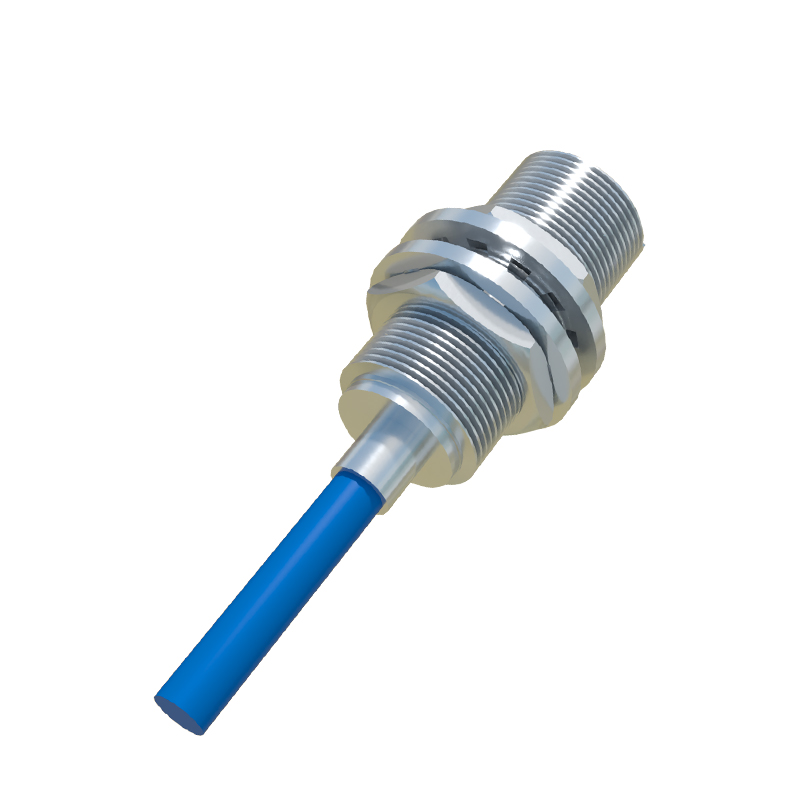
When selecting a micro proximity limit switch, engineers consider critical parameters such as sensing distance, response time, and environmental ratings. Sensing distances for these devices typically range from 0.5 mm to 10 mm, with ultra-compact models offering shorter ranges for high-precision tasks. Response times can be as fast as 0.1 milliseconds, ensuring rapid detection in high-speed automation. Many micro switches feature IP67 or higher ingress protection ratings, safeguarding against dust, water, and chemical exposure. Additional features may include temperature stability from -25°C to 85°C, LED status indicators, and short-circuit protection. These specifications ensure reliable operation in demanding industrial settings.
Applications in Modern Automation Systems
In robotics, micro proximity switches serve as end-of-arm tooling sensors, detecting gripper positions or part presence to coordinate precise movements. Medical devices, such as infusion pumps and diagnostic instruments, use these sensors for fluid level monitoring and component alignment, where hygiene and accuracy are paramount. Electronics assembly lines employ them to verify component placement on PCBs or to count small parts. Automotive manufacturing integrates micro switches for safety door monitoring and robotic welding control. Their versatility also extends to packaging machinery, where they ensure correct filling levels and label positioning, reducing waste and downtime.
Installation and Maintenance Best Practices
Proper installation is crucial for optimal sensor performance. Engineers should mount micro proximity switches securely, aligning them perpendicular to the target surface to maximize sensing accuracy. Adequate clearance from surrounding metal objects prevents interference with inductive or magnetic fields. Wiring must follow manufacturer guidelines, using shielded cables in electrically noisy environments to avoid false triggers. Regular maintenance involves periodic cleaning of sensor faces to remove contaminants like oil or debris, and checking for physical damage. Calibration may be necessary over time, especially in applications with temperature fluctuations. Implementing these practices extends sensor life and maintains system reliability.
Advantages Over Mechanical Limit Switches
Micro proximity switches offer significant benefits compared to mechanical alternatives. Their non-contact operation eliminates wear and tear from physical impact, leading to longer service life and reduced replacement costs. They provide faster response times and higher switching frequencies, suitable for high-speed automation. With no moving parts, they are less prone to failure from vibration or shock, enhancing durability in industrial environments. Additionally, their sealed designs resist contamination, making them ideal for cleanrooms or outdoor use. While mechanical switches may be simpler in design, micro proximity sensors deliver superior precision and adaptability for modern automated systems.
Future Trends and Innovations
The evolution of micro proximity limit switches is driven by trends toward miniaturization and smart manufacturing. Emerging technologies include IoT-enabled sensors with embedded diagnostics that communicate data via industrial protocols like IO-Link for predictive maintenance. Advances in materials science are yielding sensors with enhanced resistance to extreme temperatures and corrosive substances. There is also a growing focus on energy-efficient designs that reduce power consumption in battery-operated devices. As industries adopt more collaborative robots and flexible production lines, demand for compact, multi-functional sensors will rise, fostering innovations in sensing accuracy and integration capabilities.