Understanding Proximity Sensor Construction
The inherent durability of a proximity sensor begins with its fundamental construction. These devices, designed to detect the presence or absence of an object without physical contact, are built to withstand their operational environments. The core components include a sensing element (inductive, capacitive, photoelectric, or ultrasonic), an oscillator, a signal converter, and a solid-state output stage. The housing, typically made from materials like nickel-plated brass, stainless steel (e.g., 303, 304, 316), or PBT plastic, provides the first line of defense. The choice of housing material is critical; stainless steel offers superior resistance to corrosion, chemicals, and physical impacts, making it ideal for harsh industrial settings like food processing or metalworking. Potting compounds are often used to seal internal electronics, protecting them from moisture, vibration, and thermal shock. This robust construction forms the baseline for sensor longevity, directly influencing its ability to resist environmental stressors over extended periods.
Environmental Stressors and Their Impact
Durability is ultimately defined by a sensor's performance under stress. Key environmental factors that test a proximity sensor's limits include temperature extremes, moisture and chemicals, mechanical stress, and electrical interference. Operating outside the specified temperature range can cause oscillator drift, component failure, or condensation inside the housing. Persistent exposure to high humidity, washdowns, oils, coolants, or solvents can degrade seals, corrode metal parts, and damage circuitry. Continuous vibration and shock can loosen internal connections and eventually cause structural failure. Furthermore, electromagnetic interference (EMI) from nearby motors, welders, or power lines can induce false triggering or signal instability. A truly durable sensor is engineered with specific protections against these common industrial adversaries, often indicated by Ingress Protection (IP) ratings (like IP67 or IP69K for dust and water resistance) and NEMA ratings.
The Role of Sensing Technology in Longevity
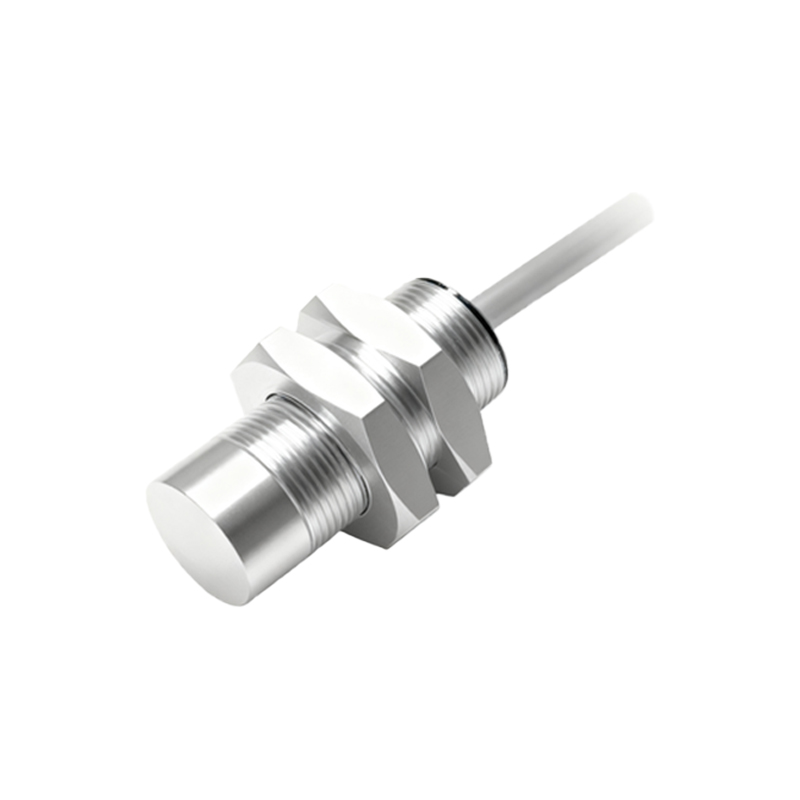
The selected sensing technology significantly influences durability by determining the required proximity to the target and the susceptibility to environmental factors. Inductive sensors, detecting metallic objects, are renowned for their ruggedness. Their solid-state design with no moving parts and shielded face allows them to endure embedment in metal, resist chips and swarf, and operate reliably in dirty, oily conditions. Capacitive sensors, which detect both metallic and non-metallic materials, can be more susceptible to environmental changes like humidity or material buildup on the sensing face, potentially requiring more frequent maintenance or calibration. Photoelectric sensors, while versatile, have lenses that can become obscured by dust or grime, affecting performance. Ultrasonic sensors are robust against dirt but can be affected by temperature gradients and air turbulence. Therefore, selecting the correct technology for the application is a primary durability strategy.
Electrical Characteristics and Load Protection
Electrical durability is as crucial as physical robustness. Key considerations include voltage supply stability, inrush current management, and output protection. Operating a sensor at voltages beyond its specification can lead to premature component breakdown. Inductive loads like solenoids or relays generate voltage spikes and back-EMF when switched off, which can damage the sensor's solid-state output transistor. Implementing protective circuits such as flyback diodes for DC loads or snubber networks for AC loads is essential for longevity. Short-circuit and overload protection, now standard in many models, safeguards the output stage from accidental wiring faults. Furthermore, ensuring proper wiring with adequate strain relief and using shielded cables in high-noise environments prevents electrical failures that are unrelated to the sensor's inherent design quality.
Installation and Maintenance Best Practices
Even the most durable sensor will underperform if improperly installed or neglected. Correct installation is paramount. This includes maintaining the proper sensing distance, typically 50-80% of the rated nominal range, to account for target variations and temperature drift. Adequate lateral clearance from surrounding metal (as per manufacturer guidelines) prevents false triggering for inductive sensors. Secure mounting with the correct torque on the locknut prevents loosening from vibration. For threaded barrels, using sealing washers in wet environments is critical. Routine maintenance, though minimal for these devices, involves periodic visual inspection for physical damage, cleaning of the sensing face (with appropriate cleaners), and verification of electrical connections. A proactive approach to installation and maintenance dramatically extends service life and prevents unplanned downtime.
Advancements Enhancing Durability
Modern advancements continue to push the boundaries of proximity sensor durability. Innovations include the use of advanced housing polymers with higher chemical resistance and thermal stability, and improved potting materials with better adhesion and flexibility. Enhanced IC design incorporates better temperature compensation algorithms and robust EMI/RFI immunity directly into the circuitry. Some sensors now feature "IO-Link" digital communication, which not only transmits switch status but