Introduction to Through-beam Photoelectric Sensors
Through-beam photoelectric sensors, a cornerstone of modern industrial automation, operate on a straightforward yet highly effective principle. These devices consist of two separate units: a transmitter and a receiver. The transmitter emits a beam of light, typically infrared, visible red, or laser, which is then detected by the receiver positioned directly opposite. The core function is to detect the interruption of this light beam by an object passing between the two units. This interruption triggers a change in the sensor's output signal, providing a reliable detection event. The fundamental advantage of this configuration is its exceptional sensing range and high immunity to environmental factors like dust, target color, or surface finish, making it a preferred choice for demanding applications where precision is non-negotiable.
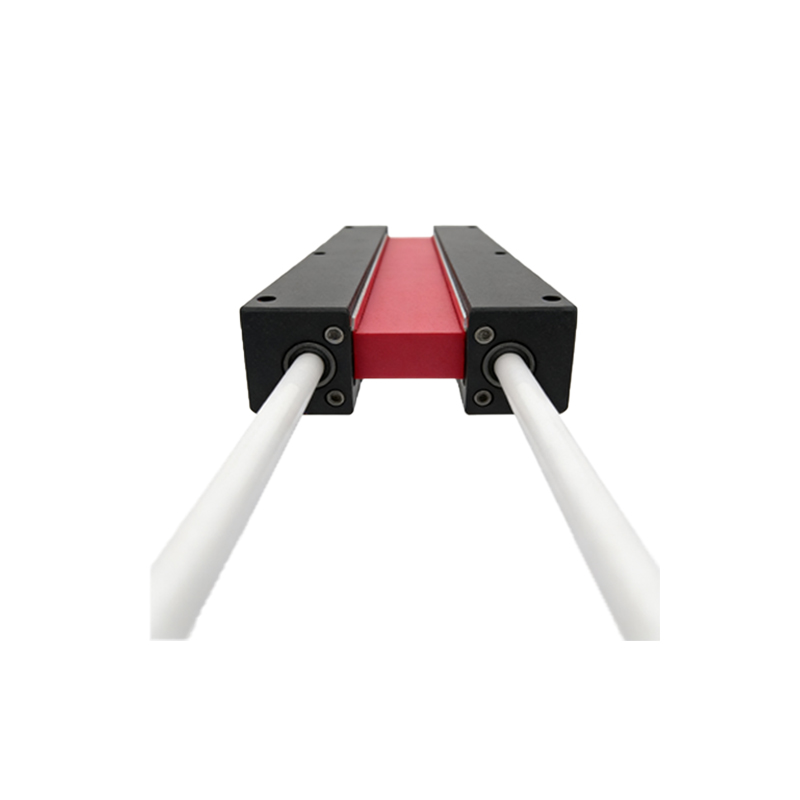
Key Advantages for Industrial Applications
The primary strength of through-beam sensors lies in their long sensing distance and consistent performance. Unlike diffuse-reflective sensors, which rely on light bouncing off a target, the through-beam method ensures that only the presence or absence of the beam is measured. This results in a very stable operating point, unaffected by the reflectivity or color of the object. Consequently, they can detect virtually any material—transparent, opaque, shiny, or matte—with high reliability. Furthermore, these sensors offer the longest possible range among photoelectric types, often spanning several meters, which is invaluable for large-scale machinery and conveyor systems. Their robust design typically provides high environmental resistance to water, oil, and vibration, ensuring longevity in harsh factory conditions.
Manufacturing Excellence in Jiexi
Jiexi has emerged as a significant hub for the manufacturing of high-quality electronic components and sensors, including through-beam photoelectric sensors. Factories in this region leverage advanced production technologies and stringent quality control processes to produce sensors that meet international standards. The focus in Jiexi is on achieving a balance between cost-effectiveness and superior performance. Manufacturers here specialize in producing durable sensors with precise optics, stable electronic circuits, and rugged housings made from materials like stainless steel or engineering plastics. This local expertise ensures that sensors can withstand the rigors of continuous operation in industries such as packaging, material handling, and automotive assembly.
Critical Technical Specifications
When selecting a through-beam photoelectric sensor, several technical parameters are paramount. Sensing range, or the maximum distance between the transmitter and receiver for reliable operation, is a primary consideration. The type of light source—infrared for discreet operation, visible red for easy alignment, or laser for extreme precision—determines the application suitability. Response time, the speed at which the sensor reacts to a beam interruption, is crucial for high-speed production lines. Additionally, output configuration (e.g., NPN, PNP, relay) and housing protection ratings (IP67, IP69K) define the sensor's integration capability and environmental resilience. Understanding these specs ensures the correct sensor is deployed for specific automation challenges.
Common Applications in Automation
Through-beam sensors are ubiquitous in automated systems. A classic application is object detection on conveyor belts, where they count products, verify presence, or trigger sorting mechanisms. They are essential in packaging machinery for detecting missing labels, ensuring correct fill levels, or monitoring film breaks. In the automotive sector, these sensors are used for precise positioning of parts during robotic assembly. They also play a vital role in safety systems, such as perimeter guarding for hazardous areas or detecting personnel in restricted zones on automated guided vehicles (AGVs). Their reliability makes them indispensable for error-proofing and enhancing overall equipment effectiveness (OEE).
Installation and Alignment Best Practices
Proper installation is critical to harnessing the full potential of through-beam sensors. The transmitter and receiver must be precisely aligned on the same optical axis. Many models feature alignment indicators, such as LED lights that change state or brightness when optimal alignment is achieved. It is essential to securely mount both units to prevent misalignment caused by vibration or accidental impact. The mounting brackets should be rigid and stable. During installation, consider potential obstructions and ensure the beam path remains clear of intermittent obstacles like loose cables or accumulated debris, which could cause false triggers.
Troubleshooting and Maintenance
Even the most robust sensors may require troubleshooting. Common issues include false signals or failure to detect. The first step is always to verify the alignment of the transmitter and receiver; even minor shifts can break the beam path. Next, inspect the lens surfaces for dirt, dust, or condensation, and clean them carefully with appropriate materials. Check the power supply and wiring connections for integrity. Environmental factors like strong ambient light or electrical noise can sometimes interfere with sensor operation, necessitating the use of models with modulated light sources or shielded cables. Regular preventive maintenance, including cleaning and alignment checks, minimizes downtime.
Future Trends and Innovations
The evolution of through-beam photoelectric sensors continues alongside Industry 4.0. Future trends point toward increased miniaturization without sacrificing range or durability. Enhanced connectivity features, such as IO-Link, are becoming standard, allowing for detailed parameter setting, remote monitoring, and predictive maintenance data exchange directly from the sensor to control systems. There is also a growing demand for sensors with higher ingress protection for extreme environments and those capable of operating with even faster response times to keep pace with next-generation high-speed machinery. Smart sensors with built-in diagnostics will further simplify integration and upkeep.
Conclusion
Through-beam photoelectric sensors represent a reliable, precise, and versatile solution for a vast array of industrial automation challenges. Their fundamental operating principle ensures consistent performance where other sensing methods may falter. The manufacturing prowess found in regions like Jiexi provides the industry with access to high-quality, durable components that form the backbone of efficient production systems. By understanding their advantages, specifications, and proper application, engineers and technicians can leverage these sensors to build more reliable, safe, and productive automated environments, driving operational excellence forward.