Understanding the Core Challenge: Sensor Performance in Extreme Cold
The reliable operation of industrial automation systems in frigid environments, such as cold storage warehouses, polar research stations, outdoor winterized machinery, and cryogenic processing plants, presents a significant engineering hurdle. Standard inductive, capacitive, or photoelectric proximity sensors often experience critical failures when temperatures plummet. These failures manifest as reduced sensing ranges, erratic switching behavior, signal drift, and ultimately, physical damage to internal components and housing materials. The primary culprits include the congealing of lubricants, embrittlement of plastics and seals, condensation leading to internal icing, and the fundamental impact of temperature on electronic component characteristics. Specifying a sensor merely rated for a slightly lower temperature is insufficient; a holistic approach focusing on materials, design, and technology is required for guaranteed performance.
Key Engineering Specifications for Low-Temperature Proximity Sensors
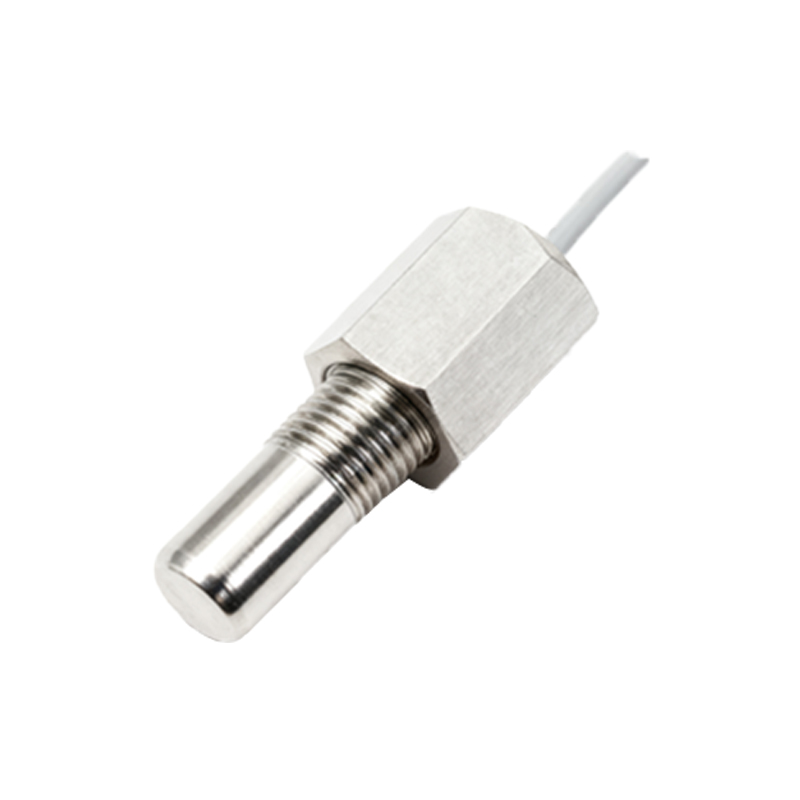
When acting as an agent or specifying engineer for low-temperature proximity sensors, a deep understanding of key specifications is non-negotiable. The operating temperature range is the foremost parameter, with true low-temperature sensors reliably functioning from as low as -40°C (-40°F) to -60°C (-76°F) and beyond. The storage temperature range is often even wider. Housing material is critical; stainless steel (particularly V4A/AISI 316) is preferred for its corrosion resistance and mechanical stability, while specialized thermoplastics like PBT or PPS resist embrittlement. Seal integrity, achieved through high-quality radial shaft seals and potting compounds, prevents moisture ingress and internal icing. Electrically, attention must be paid to temperature drift of the switching point and the current derating curves to ensure the sensor can handle the load at minimum temperature without failure.
Material Science and Construction: The Foundation of Reliability
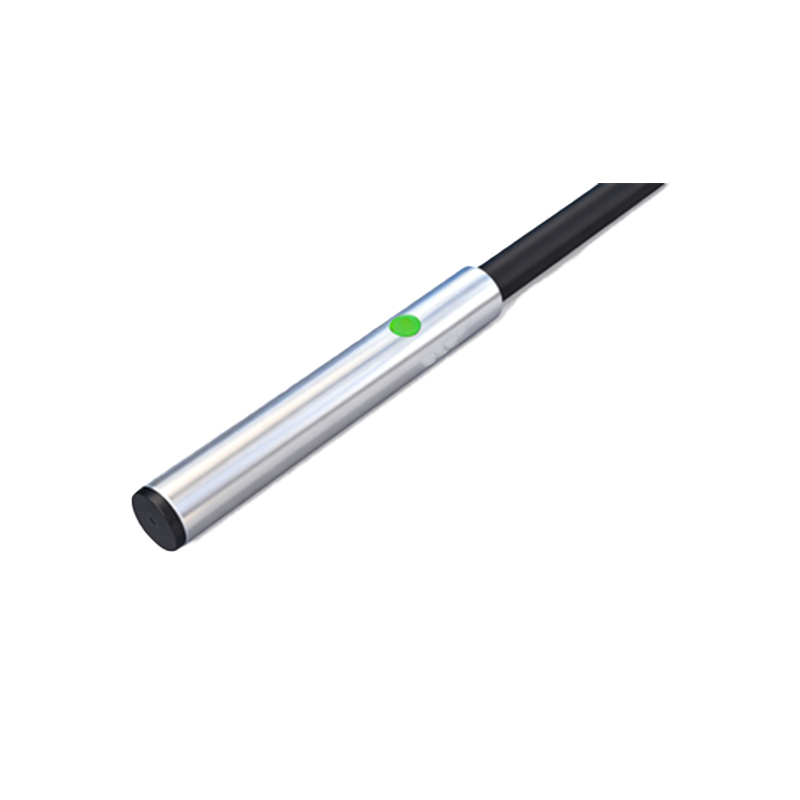
The battle against cold is won at the material level. Sensor housings designed for arctic conditions utilize metals with low thermal contraction coefficients and plastics formulated with anti-cracking additives. Cable jackets must remain flexible; materials like silicone or specially formulated PUR are essential to prevent cracking when bent at low temperatures. Internally, the use of high-density potting compounds not only protects the oscillator and amplifier circuitry from humidity and condensation but also provides superior mechanical stability against thermal stress. The sensing face, often made of PBT or PTFE, must maintain its dielectric properties without becoming brittle. Every O-ring and gasket material, typically EPDM or fluorocarbon, must be selected for its glass transition temperature far below the intended operating minimum.
Technology-Specific Considerations: Inductive, Capacitive, and Photoelectric
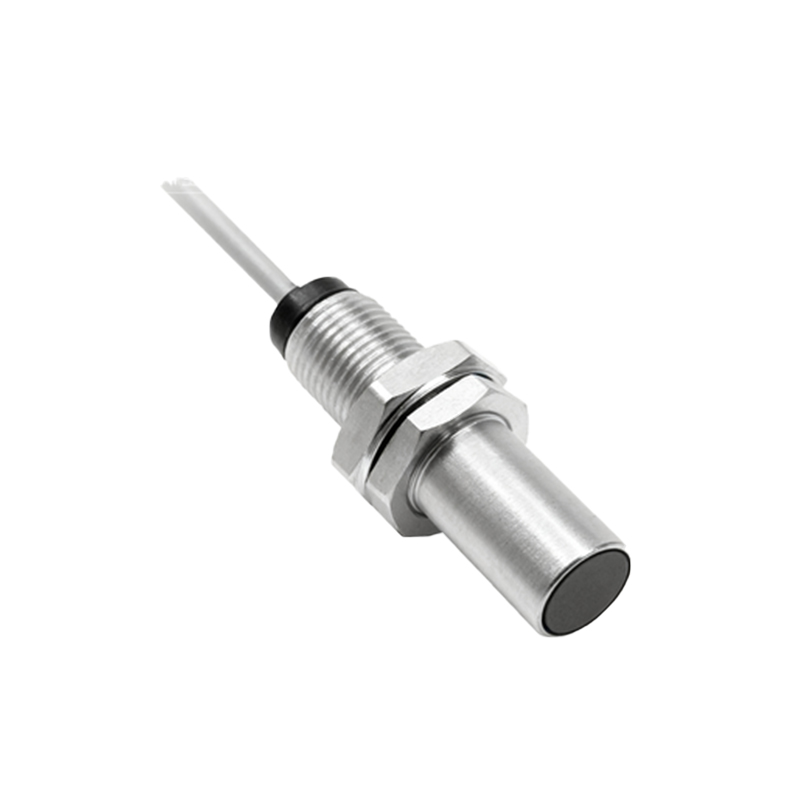
Each sensing technology reacts differently to cold, influencing the agent's recommendation. Inductive sensors, detecting metals, are generally robust but can suffer from reduced oscillation amplitude in the coil, affecting range. Models with temperature-compensated circuits are vital. Capacitive sensors, used for non-metals, are sensitive to changes in the dielectric constant of both the target and the surrounding medium (like frost buildup), requiring careful tuning and shielding. Photoelectric sensors face perhaps the greatest challenge: lens fogging or icing can completely block the light beam. Sensors with heated optical windows, air purge connections, or hydrophobic lens coatings are specialized solutions. Ultrasonic sensors can be effective but may experience sound speed variation with air temperature, necessitating compensation algorithms.
Application Scenarios and Best Practices for Installation
Successful deployment extends beyond selecting the right catalog number. In freezer warehouses, sensors must withstand constant thermal cycling and high humidity during defrost cycles. For outdoor applications in polar climates, resistance to wind, blowing snow, and UV radiation is equally important. Mounting practices are crucial; using thermally insulating brackets can reduce heat sink effects from warmer machinery. Cabling should enter from the bottom to prevent a "drip loop" that can channel moisture into the housing. All connections must be absolutely tight, as thermal contraction can loosen standard fittings. Implementing a gradual pre-cooling phase for the sensor before bringing it to its full operational low temperature can prevent thermal shock, a common cause of premature failure.
The Role of Certification and Long-Term Testing
As an agent, providing sensors with relevant international certifications builds trust. Beyond standard IP and IK ratings, look for specific testing per standards like IEC 60068-2-1 for cold dry operational testing. Manufacturers that perform extended cyclic temperature testing, simulating years of operation in a few weeks, provide a higher assurance of field reliability. Data logs from such tests, showing consistent switching performance across thousands of cycles, are a powerful tool for engineers making a final selection. Furthermore, understanding the manufacturer's warranty provisions for low-temperature applications is a key part of the value proposition offered to the end client.