Introduction to Beilun Proximity Sensors
Beilun proximity sensors represent a cornerstone in modern industrial sensing technology. Designed for durability and precision, these non-contact sensors detect the presence or absence of metallic objects without physical interaction. Operating on electromagnetic principles, they generate an oscillating electromagnetic field. When a metallic target enters this field, it induces eddy currents, causing a change in the sensor's oscillation amplitude. This change is detected and converted into a switch signal, enabling seamless integration into automated control systems. The fundamental advantage lies in their ability to function in harsh environments—resistant to dust, oil, and moisture—making them indispensable in manufacturing, packaging, and material handling applications.
Core Technologies and Operating Principles
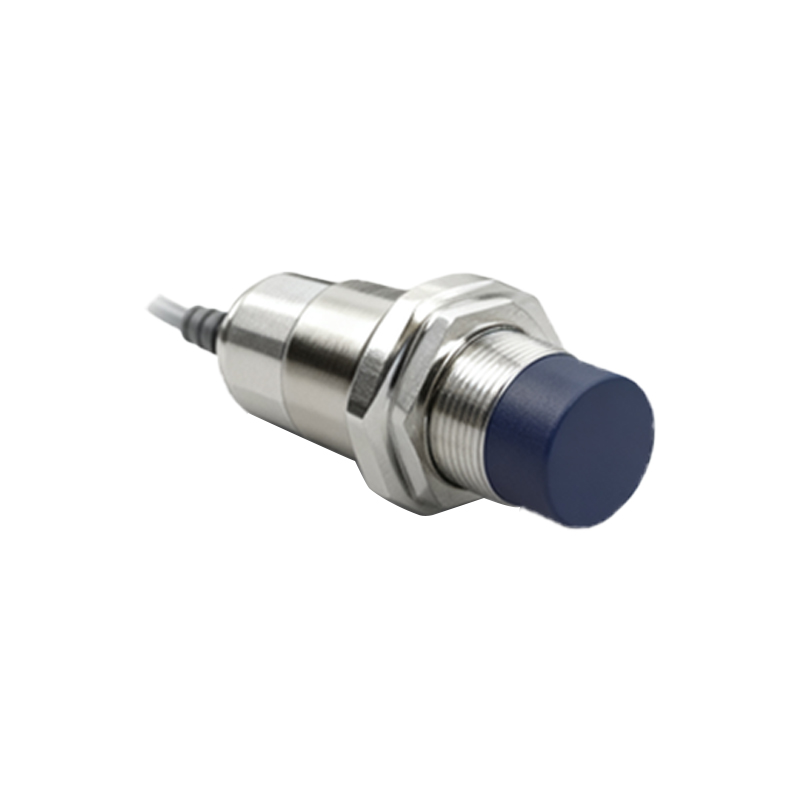
The efficacy of Beilun proximity sensors stems from advanced inductive and capacitive sensing technologies. Inductive sensors, the most common variant, are optimized for ferrous and non-ferrous metals. They typically offer sensing ranges from a few millimeters to several centimeters, with high repeat accuracy ensuring consistent performance in high-speed production lines. Capacitive sensors, on the other hand, can detect non-metallic materials such as plastics, liquids, and wood by measuring changes in capacitance. Both types incorporate robust housing materials like stainless steel or PBT plastic, providing IP67 or higher ingress protection. Internal circuitry often includes short-circuit and reverse polarity protection, enhancing operational safety and longevity in demanding industrial settings.
Key Features and Performance Specifications
Beilun sensors are engineered with a focus on reliability and adaptability. Key features include a wide operating voltage range, typically from 10-30V DC, ensuring compatibility with various industrial power supplies. Their response frequency can reach up to 5 kHz, allowing for detection in rapid-cycle machinery. Temperature stability is another critical aspect, with operational ranges from -25°C to 70°C, maintaining accuracy despite thermal fluctuations. Additionally, many models feature LED status indicators for real-time diagnostics, simplifying maintenance and troubleshooting. The sensors' compact design facilitates installation in space-constrained applications, while their high electromagnetic interference (EMI) immunity prevents false triggering in electrically noisy environments.
Application Scenarios in Industrial Automation
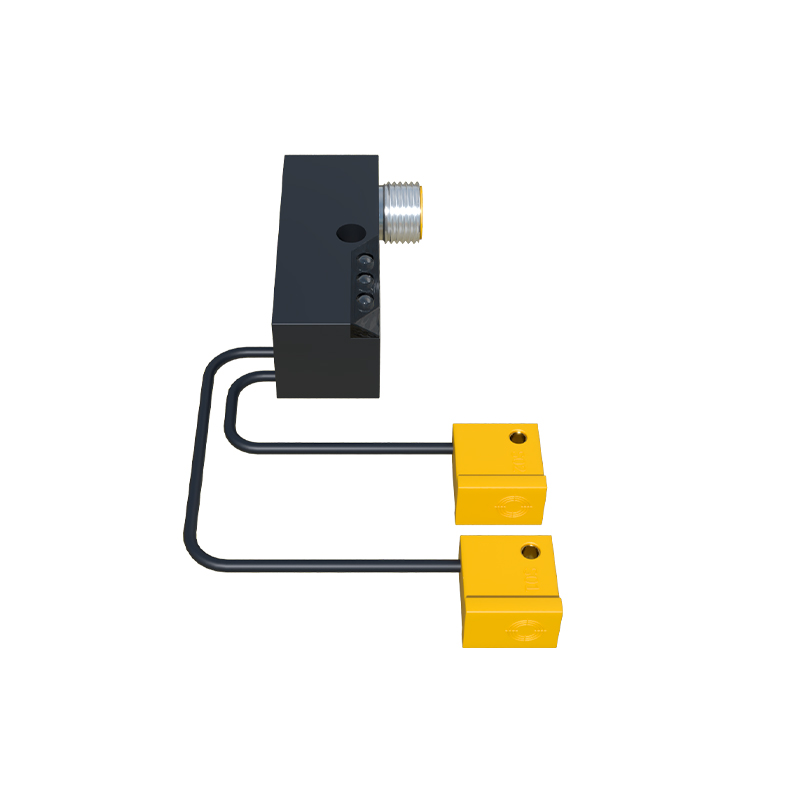
In practical terms, Beilun proximity sensors are deployed across diverse automation sectors. In automotive assembly lines, they precisely position robotic arms by detecting engine components or chassis parts. Within packaging machinery, sensors monitor fill levels, count products, and verify cap placement on containers. Conveyor systems utilize them to track item presence, control sorting gates, and prevent jams. Moreover, in metalworking, sensors ensure tool alignment and detect broken drills or taps, preventing costly equipment damage. Their non-contact nature eliminates mechanical wear, significantly reducing downtime and maintenance costs compared to limit switches.
Installation and Configuration Guidelines
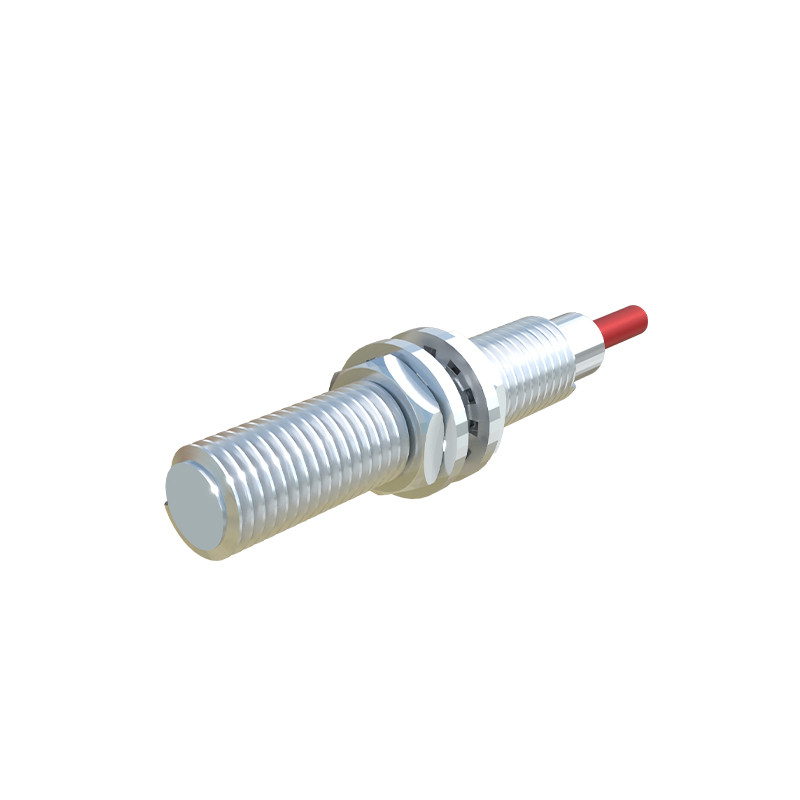
Proper installation is paramount to optimal sensor performance. It is recommended to mount the sensor securely, ensuring the sensing face is parallel to the target surface and free from obstructions. Maintaining the specified sensing distance—usually 0.8 times the nominal range—prevents erratic behavior. For metallic backgrounds, a minimum clearance should be maintained to avoid shielding effects. Wiring must adhere to manufacturer specifications, using shielded cables in high-interference areas. Configuration often involves adjusting sensitivity potentiometers to fine-tune detection thresholds, especially for small or uneven targets. Regular calibration checks, as part of preventive maintenance, help sustain accuracy over extended periods.
Advantages Over Alternative Sensing Solutions
Compared to mechanical switches or photoelectric sensors, Beilun proximity sensors offer distinct benefits. Their solid-state design ensures a longer operational life, with no moving parts to degrade. They are immune to ambient light conditions, unlike optical sensors, and perform reliably in dirty or oily atmospheres where optics might fail. While ultrasonic sensors can detect non-metallics, inductive proximity sensors provide faster response times and higher precision for metallic targets. The hermetic sealing of Beilun models protects against coolant ingress and vibration, common in machining centers, offering a robust solution where other technologies may falter.
Future Trends and Technological Evolution
The future of Beilun proximity sensors aligns with Industry 4.0 and smart manufacturing trends. Integration of IO-Link communication is becoming standard, enabling digital parameter setting, remote monitoring, and predictive maintenance data exchange. Miniaturization continues, with micro-sensors enabling new applications in electronics assembly and medical devices. Enhanced materials are improving detection stability for challenging targets like aluminum or stainless steel. Furthermore, synergy with IoT platforms allows sensors to contribute to big data analytics, optimizing overall equipment effectiveness (OEE). As industrial networks evolve, these sensors will increasingly serve as intelligent nodes in interconnected automation ecosystems.