Introduction to Photoelectric Sensors
Photoelectric sensors are widely used in industrial automation for detecting objects, measuring distances, and ensuring safety. They operate by emitting a light beam—typically infrared, visible, or laser—and detecting changes in the received light due to the presence or absence of an object. These sensors are valued for their non-contact operation, high precision, and versatility in various environments, from manufacturing lines to packaging systems. Understanding their cost involves considering factors like technology type, performance specifications, and application requirements.
Key Factors Influencing Price
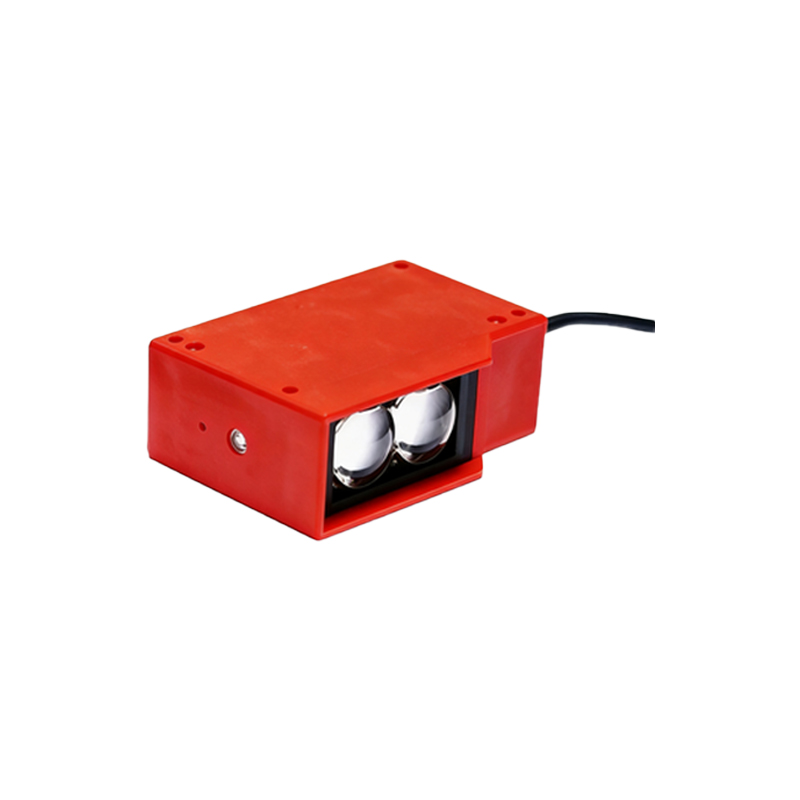
The cost of a standard photoelectric sensor varies significantly based on several elements. First, the sensing technology plays a crucial role: diffuse-reflective sensors, which detect objects by reflecting light off their surface, are generally more affordable, often ranging from $20 to $100. In contrast, through-beam sensors, consisting of separate emitter and receiver units for long-range detection, can cost between $50 and $200 due to their higher accuracy and durability. Retro-reflective sensors, using a reflector to bounce light back, fall in the mid-range, typically priced from $30 to $150. Additional features like sensing range, response time, environmental ratings (e.g., IP67 for dust and water resistance), and output types (e.g., analog, digital, or relay) also impact pricing. For instance, sensors with longer ranges or specialized coatings for harsh conditions may exceed $200.
Average Market Price Range
In the current market, standard photoelectric sensors are available across a broad price spectrum. Entry-level models, suitable for basic applications in light industrial settings, can be found for as low as $15 to $50. These often have limited ranges and simpler designs. Mid-range sensors, offering better performance with ranges up to 10 meters and enhanced durability, typically cost between $50 and $150. High-end models, designed for demanding tasks like precision measurement or extreme environments, may range from $150 to $500 or more. Bulk purchases from manufacturers or distributors often provide discounts, reducing per-unit costs by 10-30%. It's essential to balance budget with reliability, as cheaper sensors might incur higher maintenance expenses over time.
Cost Comparison by Brand and Quality
Brand reputation and quality assurance significantly affect photoelectric sensor pricing. Leading manufacturers such as Omron, Sick, and Keyence offer premium sensors with advanced features, rigorous testing, and extended warranties, commanding prices from $100 to $500. These brands are known for high accuracy and longevity, making them a preferred choice for critical applications. In contrast, generic or lesser-known brands provide more economical options, often priced below $100, but may vary in consistency and support. When evaluating cost, consider total ownership expenses, including installation, calibration, and potential downtime. Investing in reputable brands can reduce long-term costs by minimizing failures and ensuring compatibility with automation systems.
Application-Specific Pricing Considerations
The intended application heavily influences how much you should spend on a photoelectric sensor. For simple tasks like object detection in conveyor belts, a basic diffuse sensor costing $20-$50 may suffice. In complex scenarios such as liquid level sensing or high-speed counting, specialized sensors with faster response times and higher resolutions might cost $100-$300. Additionally, industry standards and certifications (e.g., CE, UL) can add to the price but ensure safety and compliance. Always assess environmental factors like temperature, humidity, and exposure to chemicals, as sensors built for rugged conditions often come at a premium. Consulting with suppliers or engineers can help tailor choices to avoid over- or under-spending.
Tips for Cost-Effective Purchasing
To optimize spending on photoelectric sensors, start by clearly defining your technical requirements, including sensing distance, accuracy, and environmental needs. Compare quotes from multiple suppliers, and consider online marketplaces or industrial distributors for competitive pricing. Look for bundled deals or kits that include mounting accessories, which can save on additional costs. Maintenance and support services, such as warranty coverage and technical assistance, also add value; some brands offer cost-effective service plans. Finally, factor in future scalability—investing in slightly higher-priced, versatile sensors might prevent frequent replacements as needs evolve. By planning strategically, you can achieve reliable performance without exceeding your budget.
Conclusion on Pricing Insights
Overall, the cost of a standard photoelectric sensor depends on a blend of technology, brand, and application demands. While prices can range from under $20 to over $500, most industrial users find suitable options between $50 and $150. Prioritize quality and suitability over initial savings to ensure efficient operation and reduced lifecycle costs. As automation continues to advance, staying informed about market trends and new product releases can help make informed purchasing decisions that align with both technical and financial goals.