Understanding Photoelectric Sensor Fundamentals
Photoelectric sensors are indispensable components in modern industrial automation, utilizing light beams to detect the presence, absence, or distance of objects. Their operation is based on a simple principle: a light emitter sends a beam, and a receiver detects changes in this beam caused by a target object. This fundamental mechanism enables non-contact detection, making them ideal for applications involving fragile, hot, or fast-moving items where physical contact is undesirable. The core components include the light source, typically an LED (infrared, red, or laser), a phototransistor or photodiode receiver, and signal processing circuitry. The choice of light source significantly influences the sensor's range, precision, and environmental robustness. Understanding these basics is crucial for selecting the appropriate model and interpreting its technical parameters effectively in diverse industrial settings.
Key Models: Diffuse, Retro-reflective, and Through-beam
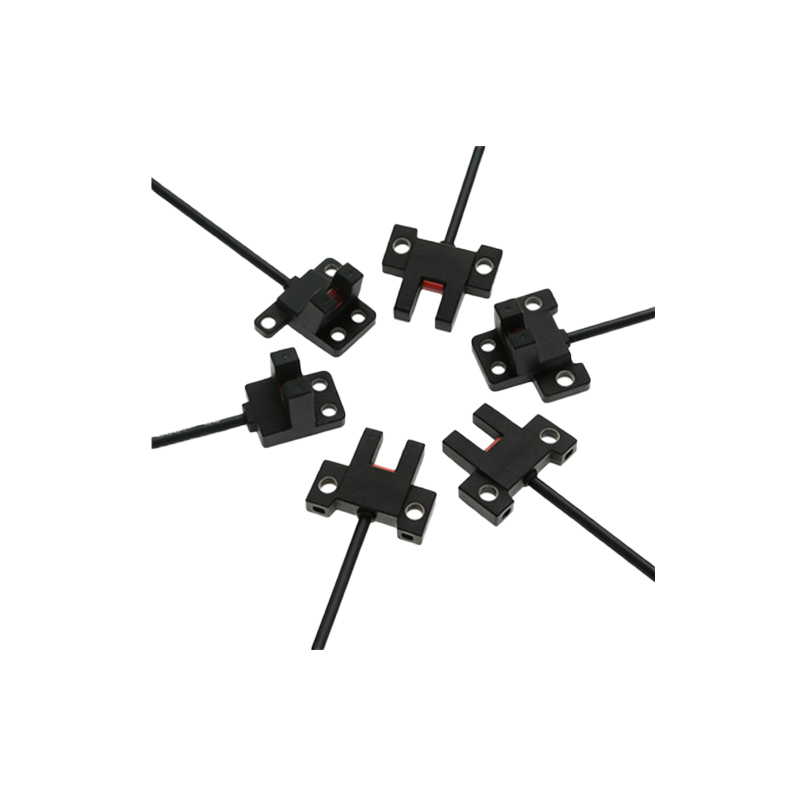
The three primary photoelectric sensor models are defined by their optical path configuration. Diffuse (proximity) models house both emitter and receiver in a single housing. The sensor detects light reflected directly off the target. These are popular for short-range detection and are simpler to install as they require only one mounting point. However, their sensing range and performance are highly dependent on the target's color, material, and surface finish. Retro-reflective models also use a single housing but rely on a separate reflector. The emitter sends a beam to the reflector, which bounces it back to the receiver. An object is detected when it interrupts this beam. This model offers a longer range than diffuse sensors and is less sensitive to target properties, but it can be fooled by shiny objects that might reflect light directly. Through-beam (opposed) models consist of separate, opposing emitter and receiver units. Detection occurs when an object breaks the beam between them. This model provides the longest possible range, highest excess gain, and most reliable detection, as it is virtually unaffected by target color or surface. The trade-off is the complexity and cost of installing and aligning two separate devices.
Critical Performance Parameters and Specifications
Selecting the correct sensor requires a detailed analysis of its parameters. Sensing Distance, often listed as 'standard' or 'maximum', is the nominal range at which a standard target can be reliably detected. For diffuse sensors, this is highly target-dependent. Response Time, measured in milliseconds or microseconds, defines how quickly the sensor's output switches after detection. This is vital for high-speed production lines. Light Source type (e.g., Red LED, Infrared LED, Laser) affects beam visibility, spot size, and environmental immunity. Infrared is common for long-range and dirty environments, while red LED is easier to align. Laser sources offer extremely small, precise spots for detecting minute objects. Output Type is another key decision: NPN/PNP transistors for DC sensors or relay contacts for AC models, configured as Normally Open (NO) or Normally Closed (NC). The housing material (e.g., metal or plastic) and Ingress Protection (IP) rating (like IP67 or IP69K) determine durability against dust, water, and chemical exposure in harsh industrial environments.
Specialized Models and Advanced Features
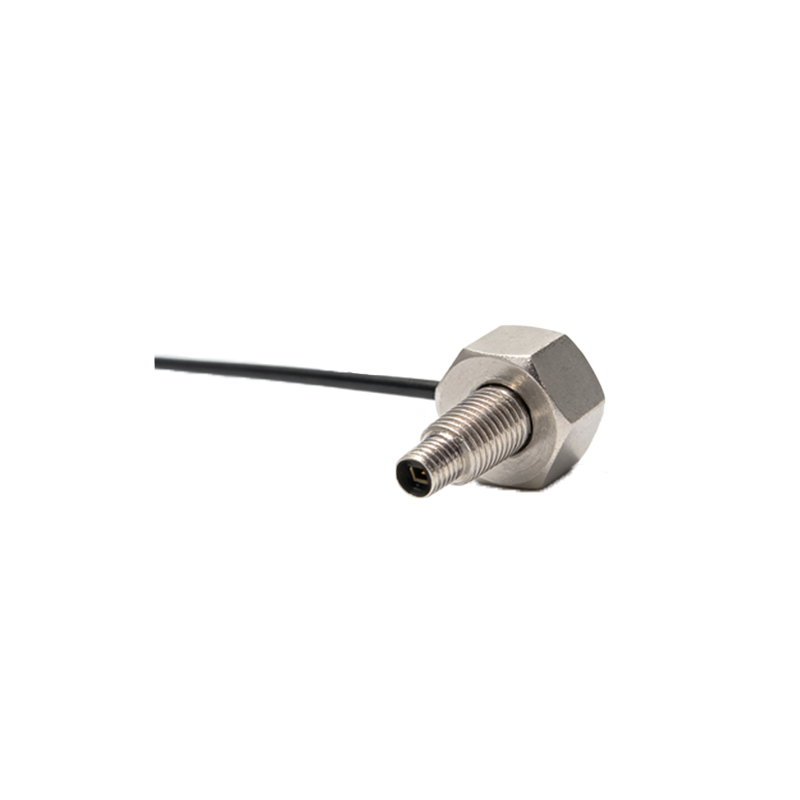
Beyond the standard trio, specialized models address niche challenges. Background Suppression sensors are a type of diffuse sensor that uses triangulation to detect objects only within a precise, defined distance, ignoring anything beyond it, regardless of reflectivity. This is perfect for ensuring consistent positioning. Contrast sensors detect differences in grayscale values, ideal for label detection or edge guiding. Color sensors differentiate between specific colors by analyzing reflected RGB values. Fiber-optic sensors use flexible fiber cables to deliver light to and from a remote amplifier unit, enabling detection in extremely confined, hot, or hazardous spaces where the sensor electronics cannot be placed. Many modern sensors also feature advanced functionalities like programmability via teach-in buttons or IO-Link communication, which allows for parameter adjustment, diagnostics, and process data monitoring directly from the PLC, enabling Industry 4.0 connectivity and predictive maintenance strategies.
Application Considerations and Selection Criteria
Successful implementation hinges on matching sensor specifications to the application's demands. First, define the detection task: presence/absence, counting, positioning, or edge detection. Then, analyze the target properties: size, material, color, and surface texture. A small, dark, matte target will require a sensor with higher excess gain than a large, white, glossy one. The operating environment is critical; consider ambient light (sunlight or welding arcs), airborne contaminants (dust, steam, oil mist), temperature extremes, and mechanical vibrations. These factors dictate the required IP rating, light source wavelength, and possibly the need for specialized housings or filters. Finally, consider the electrical and mechanical interface: required supply voltage (10-30V DC, 24-240V AC), output current capacity, connection type (connector or cable), and physical mounting constraints. A thorough review of datasheets, including timing diagrams and environmental condition graphs, is essential before final selection and installation to ensure long-term, reliable operation.