Introduction to Photoelectric Sensor Welding
Welding is a critical process in the assembly of photoelectric sensors, directly impacting their structural integrity, signal stability, and long-term reliability. Unlike standard electronic components, photoelectric sensors contain sensitive optical elements—emitters and receivers—that are highly susceptible to thermal and mechanical stress. Improper welding techniques can lead to misalignment, cracked lenses, or damaged internal circuitry, resulting in sensor failure. Therefore, selecting and executing the correct welding method is paramount for engineers aiming to produce robust and accurate sensing devices for industrial automation, safety systems, and precision measurement applications.
Key Considerations Before Welding
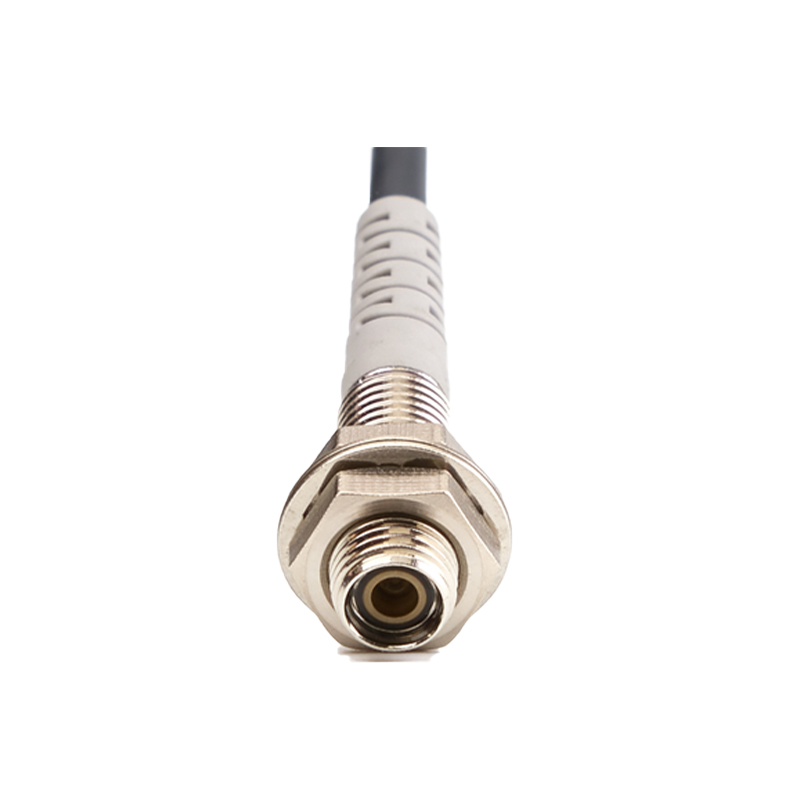
Several factors must be meticulously evaluated before initiating the welding process. First, the material composition of the sensor housing and connection pins is crucial; common materials include stainless steel, various plastics, and brass, each with different thermal conductivity and expansion coefficients. Second, the thermal sensitivity of the internal components, particularly the LED or laser diode and the phototransistor or photodiode, dictates strict temperature limits during soldering. Third, the intended operating environment—whether it involves exposure to vibration, moisture, or extreme temperatures—influences the choice of welding method and any necessary supplemental sealing. A thorough pre-welding assessment prevents catastrophic failures post-assembly.
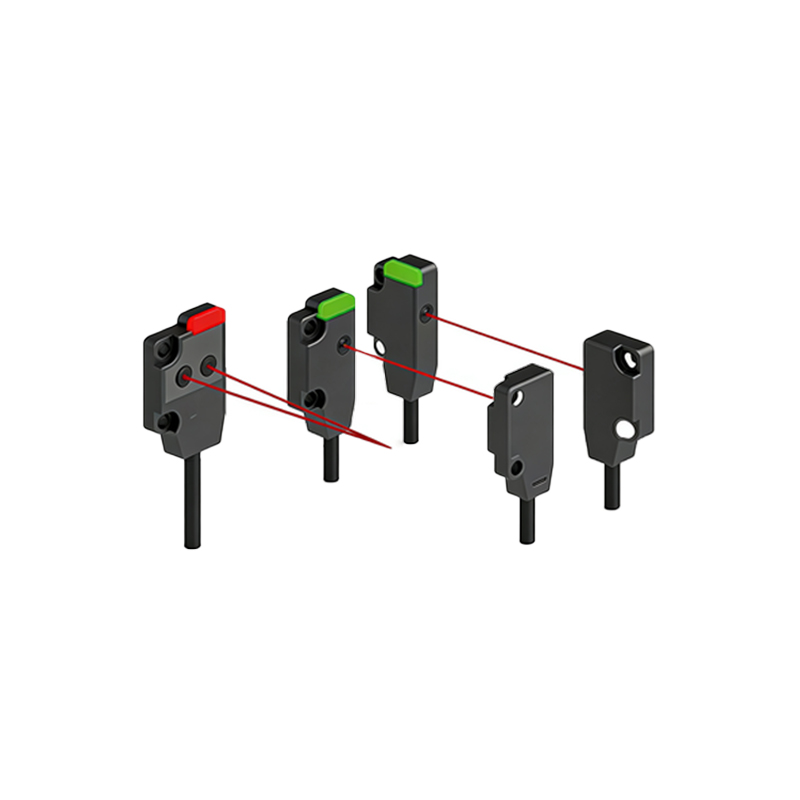
Laser Welding Technique
Laser welding has become a preferred method for high-precision photoelectric sensor assembly, especially for hermetic sealing of housings and attaching delicate sub-assemblies. This non-contact process uses a focused laser beam to generate intense localized heat, creating a deep, narrow weld with minimal heat-affected zone (HAZ). The primary advantage is the precise control over energy input, which protects nearby optical and electronic components from thermal damage. It is ideal for welding small, intricate sensor casings made of metals or certain plastics. However, laser welding requires significant capital investment, precise joint fit-up, and specialized operator training to avoid defects like porosity or cracking.
Resistance (Spot) Welding Method
Resistance welding, particularly spot welding, is commonly employed for attaching metal brackets, shields, or connector tabs to the sensor body. The process involves passing a high electrical current through the metal pieces held together under pressure at specific points, generating heat through electrical resistance to form a weld nugget. Its speed and consistency make it suitable for high-volume production lines. For photoelectric sensors, care must be taken to ensure the current path does not induce electromagnetic interference (EMI) that could affect the sensor's low-level signal circuitry. Proper electrode maintenance and current setting calibration are essential to prevent excessive indentation or spatter that could compromise sensor alignment.
Ultrasonic Welding for Plastic Housings
Many photoelectric sensors feature plastic housings that protect the internal optics. Ultrasonic welding is an excellent technique for joining thermoplastic components. High-frequency ultrasonic vibrations are applied to the parts under pressure, creating friction heat at the interface that melts the plastic and forms a strong, clean bond upon cooling. This method is fast, energy-efficient, and produces no fumes or consumables like solder. It is perfect for creating dust-tight and splash-proof seals integral to IP-rated sensors. The key to success lies in designing proper energy directors into the plastic parts and ensuring the material is compatible with ultrasonic welding, as some plastics may degrade or not bond effectively.
Hand Soldering for PCB and Connector Attachment
While not a welding process in the traditional sense, hand soldering remains vital for attaching the sensor's printed circuit board (PCB) to wire leads, connectors, or terminal blocks. For photoelectric sensors, using a temperature-controlled soldering iron with a fine tip is mandatory. A low-temperature solder alloy, often lead-free to comply with RoHS directives, should be used. The iron must be grounded to prevent electrostatic discharge (ESD) from damaging sensitive photoelectric ICs. Techniques like "drag soldering" for multi-pin connectors can improve efficiency. The goal is to create reliable electrical connections quickly without transferring excessive heat to the optical assembly on the PCB, which is often only millimeters away.
Post-Welding Inspection and Testing
After welding, every photoelectric sensor must undergo rigorous inspection and testing to verify assembly quality. Visual inspection checks for surface defects, cracks, or misalignment. For welded seals, helium leak testing or pressure decay tests ensure hermetic integrity. The most critical step is functional optical testing: the sensor is powered and subjected to calibrated targets to verify its sensing range, response time, and output signal accuracy. Any deviation from specifications may indicate internal damage from welding stress, such as a shifted lens or a stressed optical element. Environmental stress screening, including thermal cycling and vibration tests, can further validate the durability of the welds under simulated operating conditions.
Best Practices and Safety Protocols
Adhering to industry best practices ensures consistent welding quality and operator safety. Always refer to the component manufacturer's datasheets for maximum temperature ratings. Implement a static-safe workstation with ESD mats and wrist straps. For laser and ultrasonic welding, operators must wear appropriate personal protective equipment (PPE), including laser safety glasses or hearing protection. Maintain detailed process documentation and weld schedules (settings for current, pressure, time) for traceability and quality control. Regularly calibrate all welding equipment. Finally, continuous training for technicians on the unique sensitivities of photoelectric devices is an invaluable investment, reducing rework and enhancing product reliability in the field.