Introduction to Proximity Sensors in Material Handling
In the dynamic world of material handling and warehouse logistics, electric forklifts stand as indispensable workhorses. Their efficiency, however, is heavily dependent on a network of sophisticated electronic components, among which small proximity switch sensors play a critical yet often overlooked role. These non-contact sensing devices are fundamental to the safe and automated operation of modern electric forklifts. Unlike mechanical limit switches, proximity sensors detect the presence or absence of a target object without physical contact, using electromagnetic fields or electromagnetic radiation. This key characteristic eliminates mechanical wear, reduces maintenance needs, and ensures highly reliable operation in harsh industrial environments filled with dust, moisture, and vibration. Their compact size allows for seamless integration into the tight spaces of a forklift's mast, carriage, and chassis, making them the silent guardians of both operational precision and operator safety.
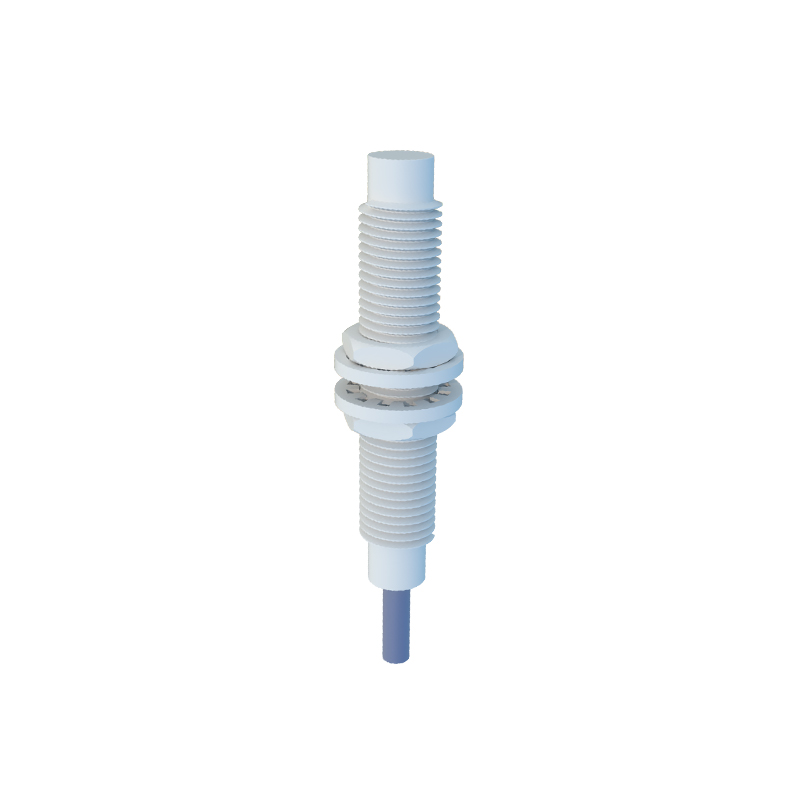
Core Types and Operating Principles
Several types of small proximity sensors are employed in electric forklifts, each suited for specific applications. The most common are inductive proximity sensors. These sensors generate an oscillating electromagnetic field. When a metallic target, such as a fork carriage or a pallet rack, enters this field, it induces eddy currents that dampen the oscillation. The sensor's circuitry detects this change and triggers a solid-state output signal. They are ideal for detecting the position of the forks, lift height limits, or the presence of a load on the carriage. For non-metallic object detection, such as plastic totes or detecting an operator's presence in the cabin, capacitive proximity sensors are used. These sensors can detect both conductive and non-conductive materials by measuring changes in capacitance. Additionally, magnetic sensors, often reed switches or Hall-effect sensors, are used in conjunction with magnets to detect the position of hydraulic control levers or door status.
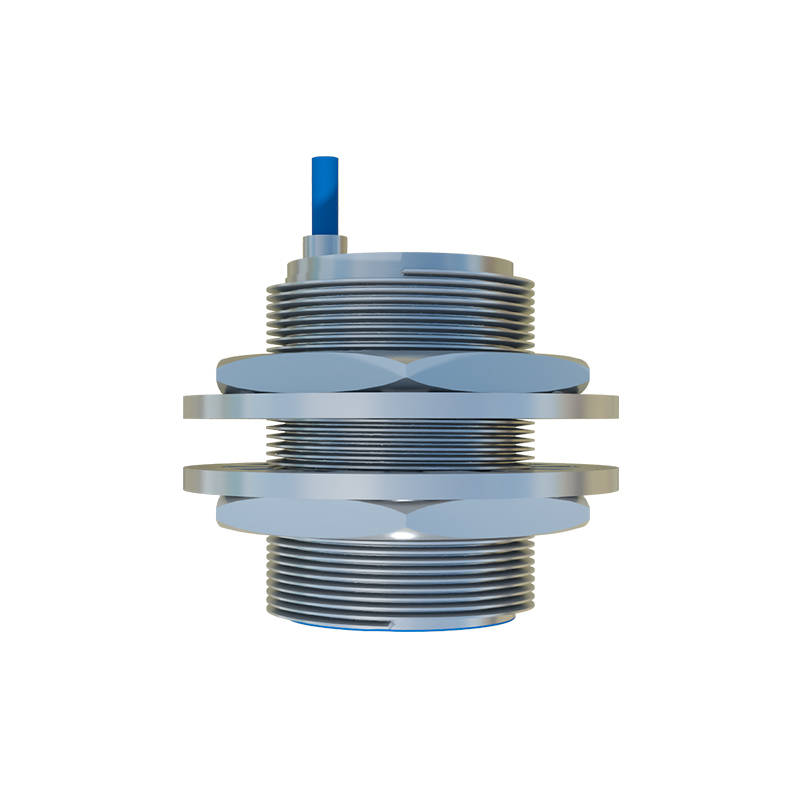
Key Applications on Electric Forklifts
The applications of these miniature sensors are diverse and vital. A primary use is in lift height control and limiting. Sensors mounted on the mast provide precise signals to the vehicle's controller to prevent the forks from over-traveling and colliding with the overhead guard or racking. Another crucial application is fork position sensing. Sensors detect the side-shift position or the tilt angle of the forks, ensuring accurate pallet handling and load stability. Safety interlocks are a major domain; a sensor can ensure the operator is correctly seated (seat switch) or that the parking brake is engaged before allowing travel. Furthermore, they are used in load sensing systems to verify a load is properly engaged on the forks before lifting, and in battery compartment monitoring to detect access doors being securely closed.
Advantages Over Mechanical Switches
The transition from mechanical lever or roller-arm switches to solid-state proximity sensors marks a significant advancement in forklift design. The absence of moving parts subject to wear and tear translates to dramatically extended service life and reduced downtime. They offer incredibly high switching frequencies, allowing for fast, real-time position feedback essential for modern control systems. Their sealed housings, typically rated IP67 or higher, provide exceptional resistance to water, oil, coolant, and dust ingress. This robustness ensures consistent performance in environments where mechanical contacts would quickly fail due to contamination or corrosion. Moreover, their output is a clean electrical signal free from contact bounce, leading to more reliable and precise control logic.
Selection Criteria and Installation Considerations
Selecting the right small proximity sensor for an electric forklift application requires careful analysis. Key parameters include sensing range, which must be precise for the specific target and mounting constraints. The housing material and shape (e.g., cylindrical, rectangular) must suit the installation space and environmental conditions. Output type is critical: PNP (sourcing) or NPN (sinking) transistor outputs must match the forklift's controller input card specifications. Operating voltage, typically 10-30V DC for vehicle systems, must be compatible. During installation, precise alignment with the target is paramount for reliable detection. Engineers must also consider electrical noise from the forklift's high-current drives and ensure proper shielding and grounding to prevent false triggering. Redundant sensor placement is often used for critical safety functions.
Maintenance and Troubleshooting Guidelines
While proximity sensors are largely maintenance-free, proactive checks are part of a comprehensive forklift maintenance program. Regular visual inspections should look for physical damage to the sensor body or cable. Accumulation of metallic debris on the sensing face of inductive sensors can reduce the effective sensing range and must be cleaned periodically. Troubleshooting typically involves verifying power supply voltage at the sensor, checking for proper output signal activation with a multimeter or diagnostic tool when a target is presented, and inspecting wiring for chafing or loose connections. Since these sensors are solid-state,