Introduction to Proximity Switch Sensors
Proximity switch sensors are essential components in modern industrial automation and control systems. These non-contact sensors detect the presence or absence of an object within a specified range without physical contact. They operate based on various principles, such as electromagnetic, capacitive, or inductive technologies, making them versatile for diverse applications. In scenarios where safety or efficiency is paramount, proximity sensors are often configured to trigger specific actions, such as turning off a light when an object approaches. This functionality is commonly used in energy-saving systems, security setups, or automated machinery to prevent interference or signal transitions. Understanding how these sensors work and their implementation can enhance operational workflows in industries like manufacturing, automotive, and robotics.
Working Principle of Light-Off Functionality
The light-off functionality in proximity switch sensors relies on the sensor's ability to detect an object and send a signal to a control unit. Typically, when an object enters the sensor's detection zone, it alters the sensor's field—for instance, in an inductive proximity sensor, a metallic object changes the magnetic field. This change is converted into an electrical signal, which is then processed by a connected circuit or programmable logic controller (PLC). Based on the programming, the output can be configured to de-energize a relay or switch, cutting power to a light source. This setup is often used in applications like conveyor systems, where lights should turn off when products pass by to reduce energy consumption, or in dark rooms where light interference must be minimized during object detection.
Common Applications in Industry
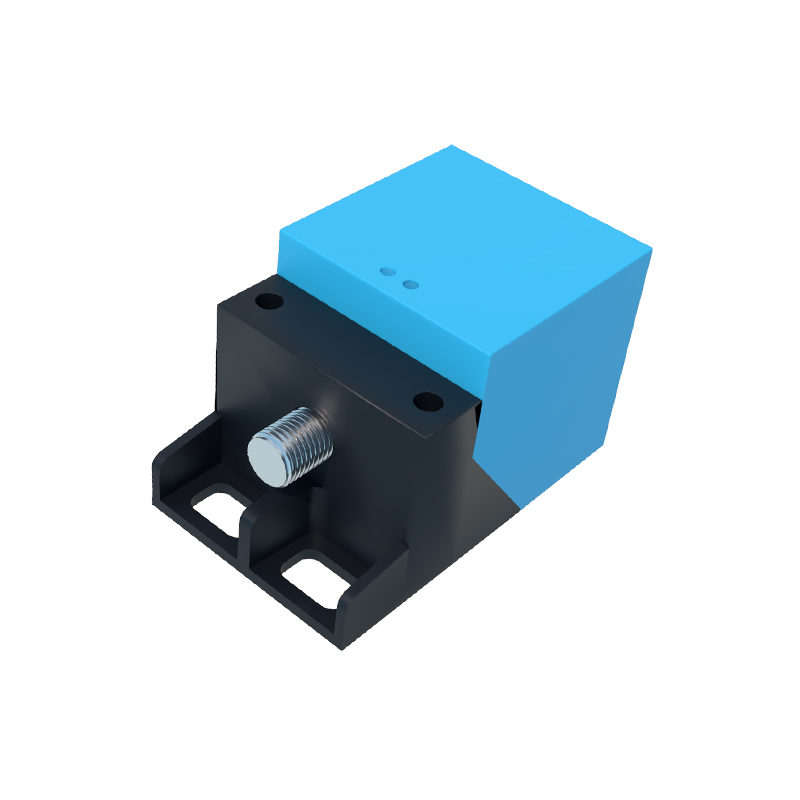
In industrial settings, proximity switch sensors with light-off features are widely deployed for efficiency and safety. For example, in automated packaging lines, sensors detect approaching items and turn off overhead lights to prevent glare or overheating, ensuring smooth operation. In security systems, they can be used to extinguish lights when an intruder is detected, aiding in stealth monitoring. Additionally, in smart buildings, these sensors help conserve energy by dimming or turning off lights in unoccupied areas when motion is sensed. The automotive industry utilizes them in assembly lines to control lighting based on part presence, optimizing workflow and reducing costs. Such applications highlight the sensor's role in enhancing automation while promoting sustainable practices.
Installation and Configuration Tips
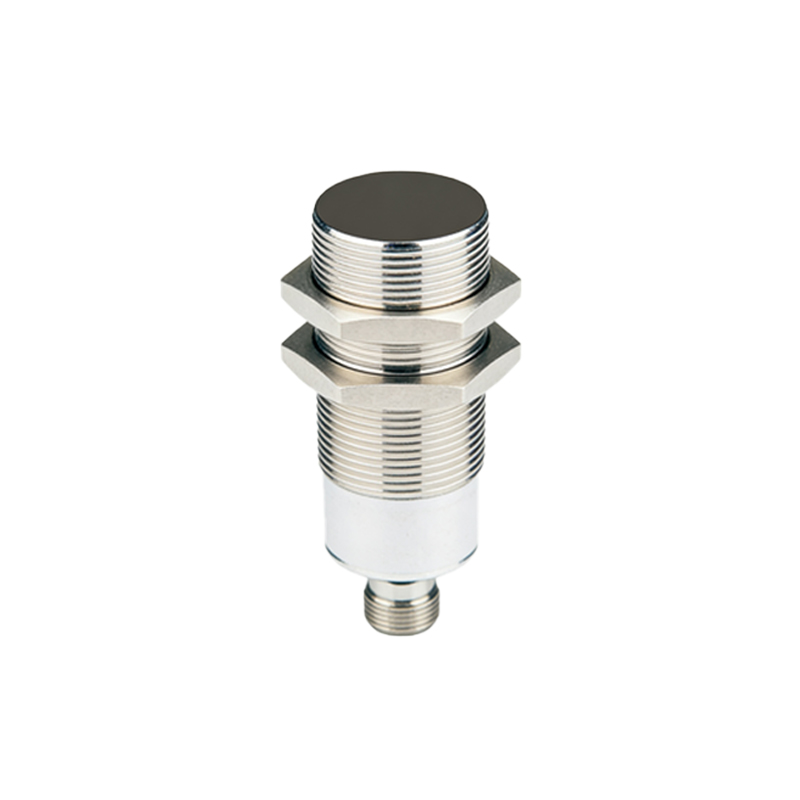
Proper installation and configuration are crucial for reliable performance of proximity switch sensors in light-off scenarios. First, select a sensor type suitable for the environment—inductive sensors for metals, capacitive for non-metals, or photoelectric for varied materials. Mount the sensor at an optimal distance from the target object, ensuring it aligns with the specified sensing range to avoid false triggers. Wiring should follow manufacturer guidelines, typically connecting the sensor to a power supply and control device like a PLC. Configure the output mode to normally open (NO) or normally closed (NC) based on whether the light should turn off upon detection. Testing with actual objects is recommended to calibrate sensitivity and delay settings, ensuring the light responds accurately without flickering or lag.
Advantages and Challenges
Using proximity switch sensors for light-off functions offers several advantages, including energy savings, reduced wear from non-contact operation, and improved safety by eliminating manual switching. They provide fast response times and high reliability in harsh conditions, such as dust or moisture, when sealed appropriately. However, challenges may arise, such as interference from other electromagnetic sources, which can cause false detections. Material limitations also exist—for instance, inductive sensors only work with metals. To mitigate these issues, regular maintenance and environmental assessments are necessary. Overall, the benefits often outweigh the drawbacks, making these sensors a valuable investment for automated systems.
Future Trends and Innovations
The future of proximity switch sensors in light-off applications is evolving with technological advancements. Innovations include smart sensors with IoT connectivity, allowing remote monitoring and data analytics for predictive maintenance. Enhanced sensitivity and miniaturization enable use in compact devices, while energy-harvesting designs reduce dependency on external power. Integration with AI and machine learning can optimize light-off timing based on usage patterns, further boosting efficiency. As industries move toward greener solutions, these sensors will play a key role in smart cities and sustainable manufacturing. Staying updated with trends ensures businesses can leverage new features for competitive advantage.