Introduction to Magnetic Proximity Sensors
Magnetic proximity sensors are essential components in industrial automation, automotive systems, and safety applications. They detect the presence or absence of a magnetic field, typically from a permanent magnet, without physical contact. These sensors are valued for their durability, reliability in harsh environments, and ability to operate through non-magnetic barriers. Common types include reed switches, Hall effect sensors, and magnetoresistive sensors, each with distinct operational principles and cost implications. Understanding the general price range requires examining various factors that influence market pricing.
Key Factors Influencing Sensor Prices
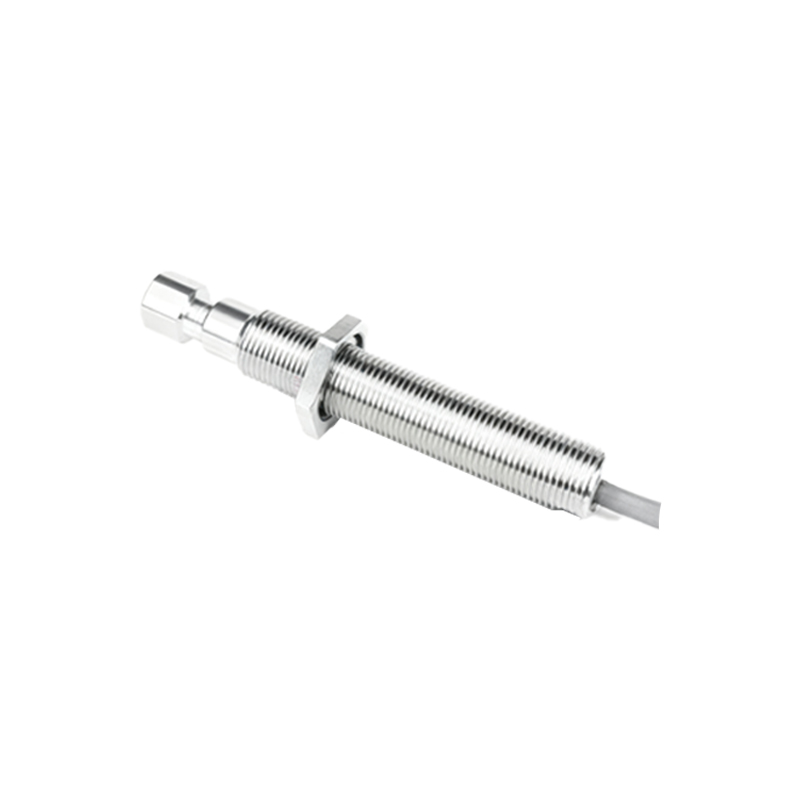
The cost of magnetic proximity sensors varies widely based on several critical factors. Sensing range is a primary determinant; sensors with longer detection distances often incorporate more advanced technology, leading to higher prices. Environmental ratings, such as IP67 or IP69K for water and dust resistance, add to manufacturing costs. Output type also plays a role—analog outputs (e.g., 4-20mA) or digital interfaces (e.g., IO-Link) typically command a premium over simple switch outputs. Brand reputation and certification levels (e.g., ATEX for explosive atmospheres) further impact pricing, with established industrial brands like Siemens, Pepperl+Fuchs, or Omron generally priced higher than generic alternatives.
Price Ranges by Sensor Type
Basic reed switch sensors are among the most affordable, with prices typically ranging from $5 to $20 per unit in small quantities. These are suitable for low-frequency applications like door position sensing. Hall effect sensors, offering faster response and solid-state reliability, usually cost between $15 and $50 each. For high-precision or specialized applications, such as linear position sensing, magnetoresistive sensors can range from $30 to over $100 per unit. Integrated sensor assemblies with housings, connectors, and amplification circuits will see prices at the higher end of these ranges. Bulk purchasing through distributors or OEM channels can reduce per-unit costs significantly.
Impact of Application Requirements on Cost
Application-specific demands heavily influence final pricing. Sensors designed for extreme temperatures (e.g., -40°C to 150°C) or high-vibration industrial machinery require robust construction, increasing costs. Customization, such as specific cable lengths, connector types, or mounting configurations, adds to the price. In automotive or aerospace sectors, where qualification standards are stringent, sensors may cost two to three times more than standard industrial versions. Additionally, smart sensors with diagnostic capabilities or network connectivity features involve embedded electronics, raising both development and unit costs.
Market Trends and Purchasing Considerations
The global market for magnetic proximity sensors is influenced by trends like Industry 4.0 and IoT integration, pushing demand for intelligent, connected sensors. While this innovation can increase upfront costs, it may offer long-term savings through predictive maintenance. Buyers should evaluate total cost of ownership, including installation, maintenance, and compatibility with existing systems. Sourcing from reputable distributors or directly from manufacturers ensures quality and technical support. For budget-conscious projects, evaluating refurbished or surplus sensors from certified suppliers can provide cost-effective alternatives without compromising critical performance.
Conclusion and Final Cost Overview
In summary, magnetic proximity sensor prices are not uniform but depend on type, specifications, and application needs. Entry-level sensors may be available for under $10, while high-performance or customized units can exceed $200. Investing in appropriate sensors based on operational requirements ensures reliability and avoids costly failures. Consulting with engineering specialists or suppliers for detailed quotations tailored to specific projects is recommended to balance performance and budget effectively.