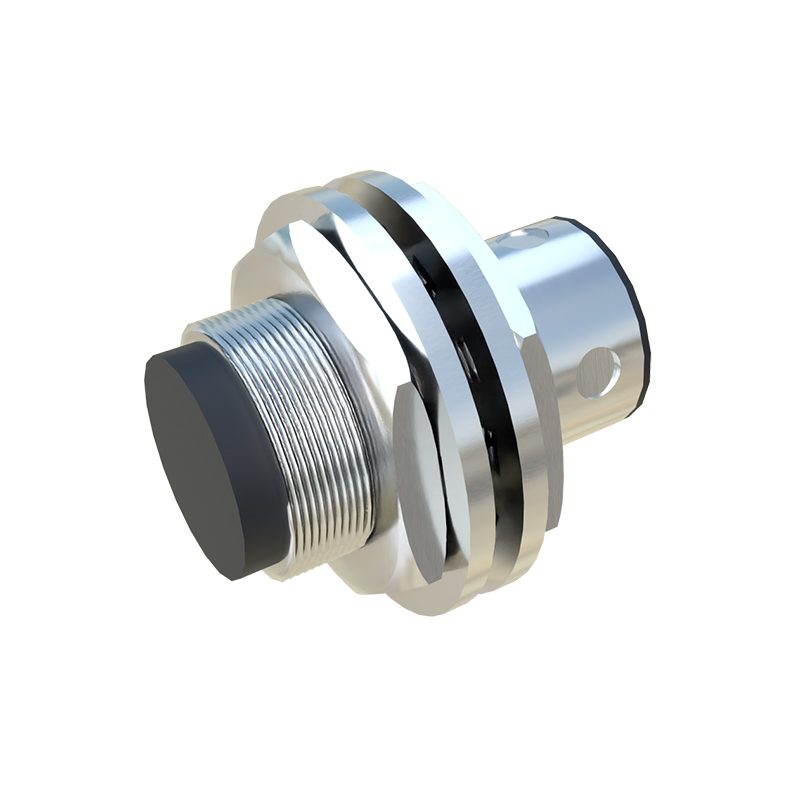
In modern industrial automation and robotics, proximity sensors play a crucial role in detecting the presence or absence of objects without physical contact. Among various types, plastic proximity sensors have gained significant attention due to their unique properties and applications. This article delves into the detection mechanisms, working principles, and practical considerations for plastic proximity sensors, providing a thorough understanding for engineers and technicians.
Plastic proximity sensors are designed to detect objects made of plastic or other non-metallic materials. Unlike inductive sensors that rely on electromagnetic fields to detect metals, plastic proximity sensors typically operate based on capacitive or ultrasonic principles. Capacitive sensors detect changes in capacitance caused by the presence of an object, making them suitable for plastics, liquids, and granular materials. Ultrasonic sensors use sound waves to measure distance and can detect a wide range of materials, including plastics, regardless of color or transparency.
The detection process begins with the sensor emitting a signal—either an electric field (capacitive) or sound waves (ultrasonic). When a plastic object enters the sensing range, it alters the signal's properties. For capacitive sensors, the plastic object changes the dielectric constant, leading to a shift in capacitance that triggers detection. Ultrasonic sensors measure the time delay between emitted and reflected sound waves to determine the object's presence and distance. Both methods offer non-contact detection, reducing wear and tear and ensuring longevity in harsh environments.
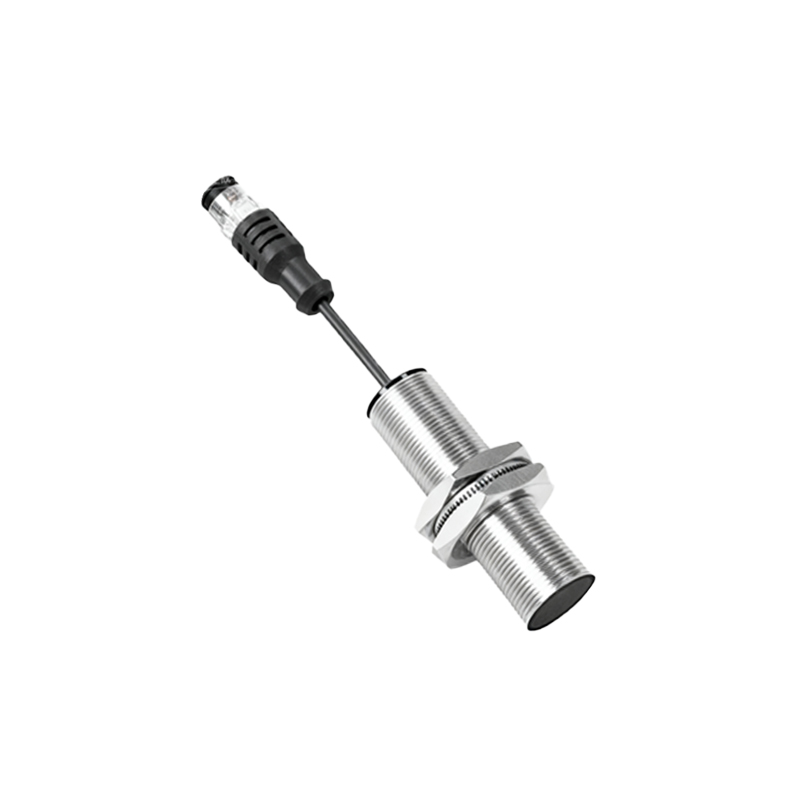
Key factors influence the effectiveness of plastic proximity sensors. Sensing range, typically from a few millimeters to several meters, must be selected based on application requirements. Environmental conditions such as temperature, humidity, and exposure to chemicals can affect performance, especially for capacitive sensors, which may be sensitive to moisture. Mounting and alignment are critical for ultrasonic sensors to avoid false triggers from background interference. Additionally, the sensor's response time and output type (e.g., digital or analog) should match the system's speed and control needs.
Applications of plastic proximity sensors span diverse industries. In packaging, they detect plastic bottles or films on conveyor belts. In automotive manufacturing, they ensure proper placement of plastic components. Food and beverage industries use them to monitor plastic containers without contamination risks. Robotics integrate these sensors for object avoidance and handling of plastic parts. Their versatility makes them indispensable in automated systems where reliability and precision are paramount.
To optimize detection, regular maintenance and calibration are essential. Dust or debris accumulation on sensor surfaces can impair functionality, requiring periodic cleaning. For capacitive sensors, adjusting sensitivity settings helps minimize false alarms from environmental changes. Ultrasonic sensors may need recalibration to account for temperature variations affecting sound speed. Following manufacturer guidelines ensures consistent performance and extends sensor lifespan.
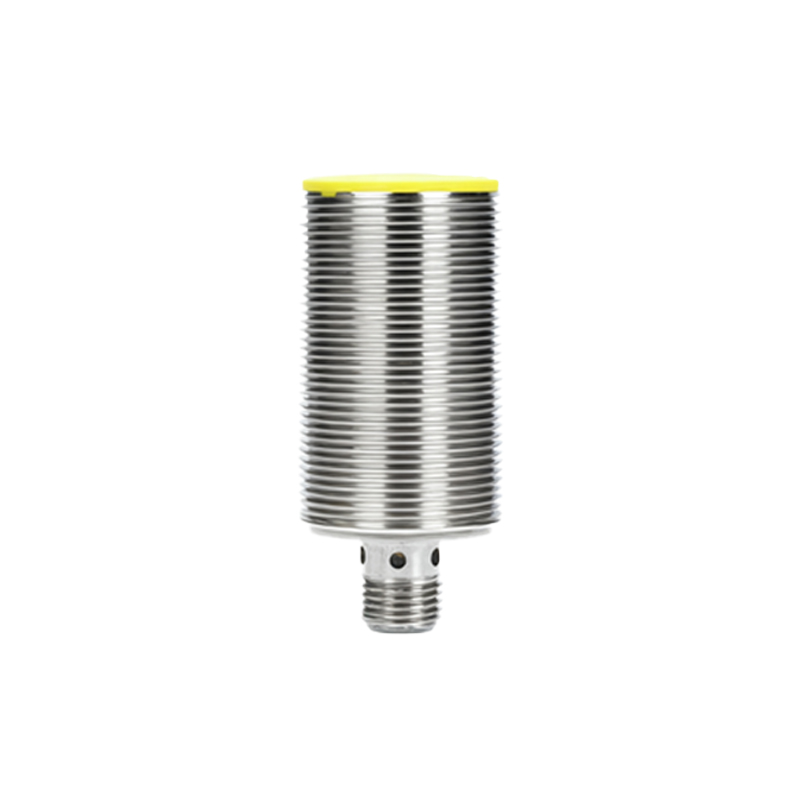
Emerging trends include smart sensors with IoT connectivity, enabling real-time monitoring and predictive maintenance. Advances in materials science are leading to more robust sensors resistant to extreme conditions. As industries increasingly adopt automation, the demand for efficient plastic proximity detection continues to grow, driving innovation in sensor technology.
In summary, plastic proximity sensors offer a reliable solution for detecting non-metallic objects in automated processes. Understanding their working principles, selection criteria, and maintenance practices empowers users to implement effective detection systems. By leveraging these insights, industries can enhance productivity, reduce downtime, and achieve higher operational efficiency.