In the vast landscape of industrial automation and smart device design, the ability to detect the presence or absence of an object without physical contact is a fundamental requirement. Among the various technologies enabling this capability, analog proximity sensors stand out for their versatility and nuanced data output. Unlike their digital counterparts that provide a simple on/off signal, analog sensors offer a continuous output signal—typically a voltage or current—that varies in proportion to the distance of the target object. This characteristic opens a wider array of applications, from precise positioning to complex process control.
At their core, most analog proximity sensors operate on the same fundamental principles as digital sensors, but with key differences in signal processing. The three most common types are inductive, capacitive, and ultrasonic. Inductive analog sensors generate an electromagnetic field and detect changes caused by metallic objects entering this field. The amplitude of the resulting eddy currents is proportional to the distance, which is then converted into a corresponding analog output, such as 0-10V or 4-20mA. These sensors are workhorses in metalworking, machine tooling, and automotive assembly lines, where they can not only detect a metal part but also gauge its precise position or even measure thickness.
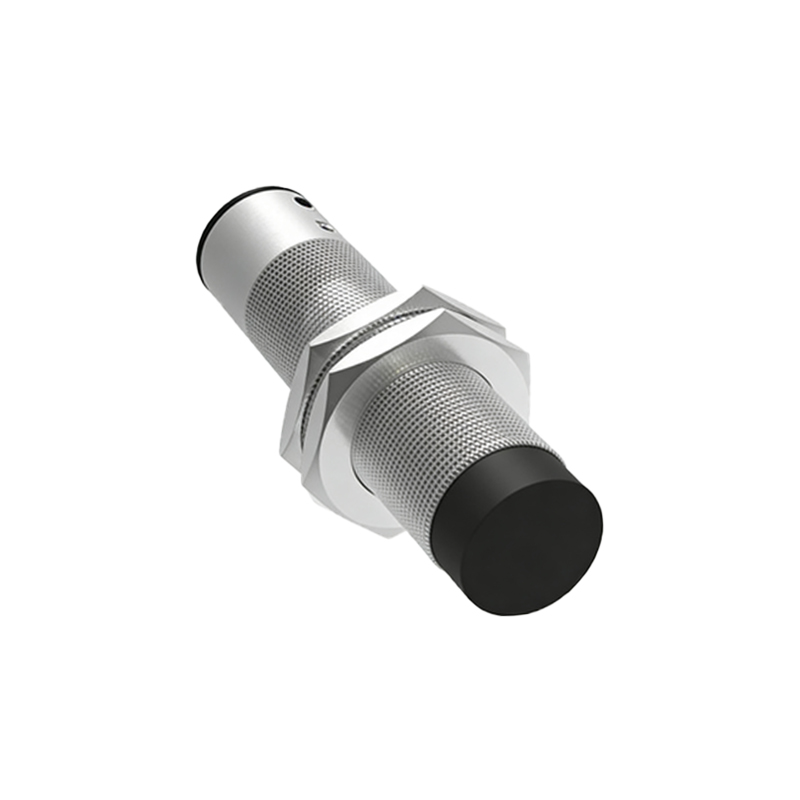
Capacitive analog sensors, on the other hand, can detect both metallic and non-metallic materials like plastics, liquids, wood, and granules. They function by measuring changes in capacitance between the sensor's active face and the target object. As the object approaches, the capacitance increases, altering the oscillation amplitude within the sensor's circuit. This change is linearly converted into an analog output signal. This makes them ideal for level detection in tanks containing liquids or powders, monitoring fill levels in packaging, or detecting transparent films on production lines.
Ultrasonic analog sensors emit high-frequency sound waves and measure the time it takes for the echo to return. The time-of-flight is directly proportional to the distance, which is then output as an analog value. They excel in challenging environments with dust, smoke, or varying light conditions, and can detect objects regardless of color or material. Common applications include distance measurement, loop control in winding machines, and controlling the height of a stack on a palletizer.
The primary advantage of an analog output is the richness of information it provides. A 4-20mA signal, for instance, doesn't just indicate that an object is "near" or "far." It can communicate its exact position within the sensor's sensing range. This allows for sophisticated control scenarios. For example, in a hydraulic press, an analog sensor can provide continuous feedback on ram position, enabling precise control of force and stroke. In conveyor systems, it can be used to maintain a specific gap between products. This continuous feedback loop is essential for processes requiring smooth, proportional control rather than simple binary switching.
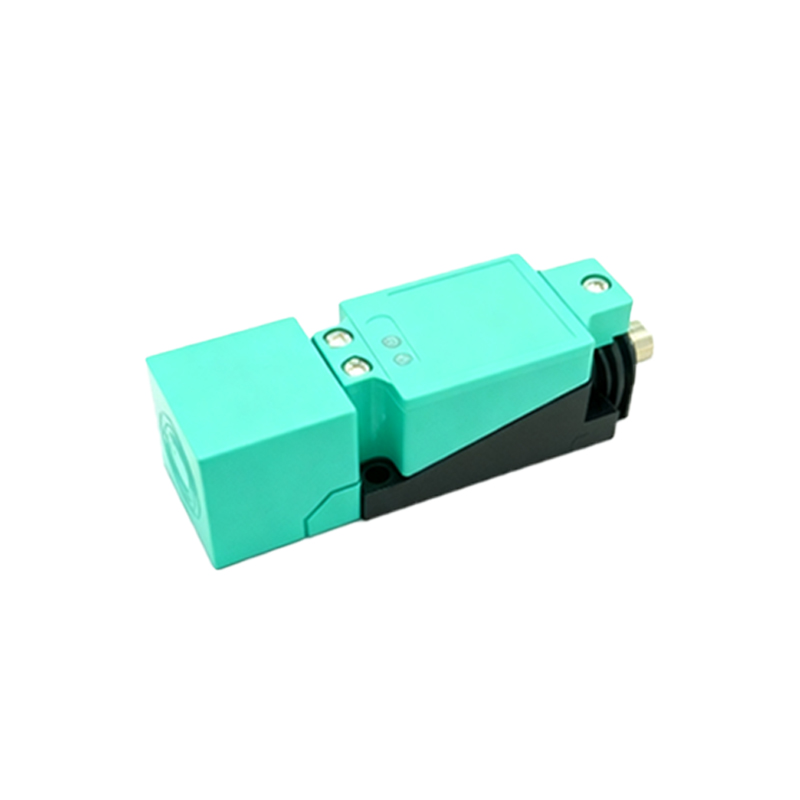
Selecting the right analog proximity sensor requires careful consideration of several parameters. First, define the target material: metal, plastic, liquid, etc. This will point you toward inductive, capacitive, or ultrasonic technology. Next, determine the required sensing range and the necessary resolution or linearity of the analog signal. The datasheet will specify the linear range—the distance over which the output signal changes in a reliably linear fashion. Environmental factors are critical; consider temperature extremes, the presence of chemicals, washdown requirements, and electrical noise. The choice of output type (voltage or current) is also significant. Current loops like 4-20mA are generally more immune to electrical interference over long cable runs, while voltage outputs like 0-10V are common in simpler setups.
Installation and calibration are crucial steps for optimal performance. Sensors must be mounted securely to prevent vibration-induced errors. It's also vital to ensure that only the intended target influences the sensing field; nearby machinery or metal structures can cause interference, especially for inductive sensors. Many analog sensors feature teach-in functionality, allowing users to easily set the output signal range by placing the target at the minimum and maximum desired detection points.
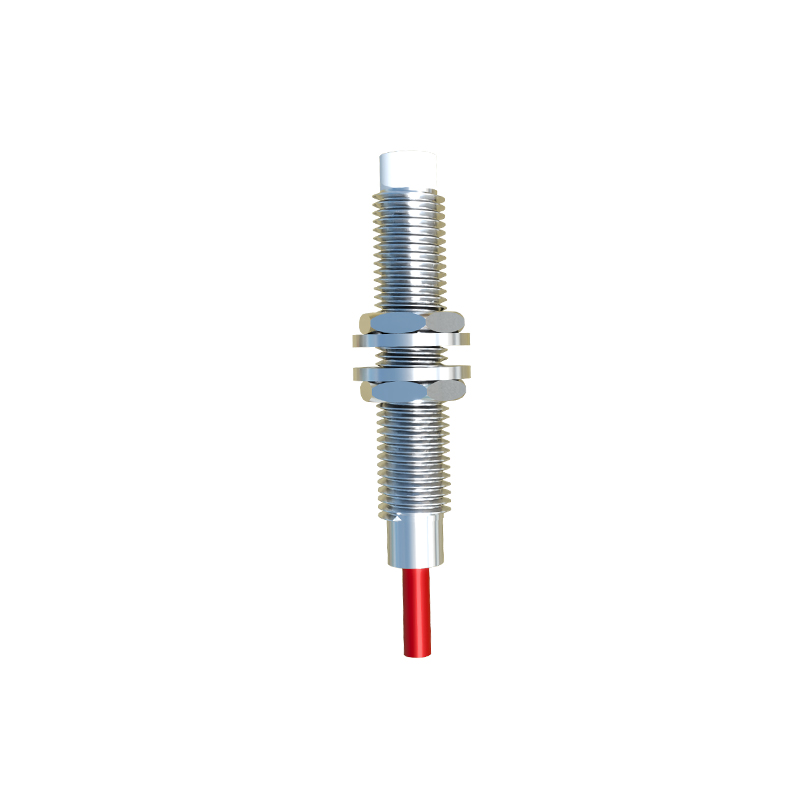
In conclusion, analog proximity sensors are powerful tools that bridge the gap between simple presence detection and precise, continuous measurement. By providing a variable signal corresponding to distance, they enable more intelligent, responsive, and efficient automated systems. Their application across manufacturing, packaging, material handling, and robotics continues to grow as industries seek finer control and deeper data insights from their processes. Understanding their operating principles, key features, and selection criteria is the first step toward leveraging their full potential in any technical project.