Introduction to Photoelectric Sensing Technology
Photoelectric sensors are fundamental components in modern industrial automation, serving as the eyes of a control system. These devices operate on a simple yet powerful principle: they emit a beam of light, typically from an LED or laser diode, and detect changes in the received light's properties. The target object's presence, absence, or specific characteristics are determined by how it interacts with this light beam. This interaction can involve the object interrupting the beam (through-beam), reflecting it back to the receiver (retro-reflective or diffuse), or causing a change in the beam's intensity or position. The core components include an emitter for light generation, a receiver (often a phototransistor or photodiode) for detection, and sophisticated electronic circuitry to process the signal and provide a clear, reliable output. Their non-contact nature makes them ideal for counting, detecting, positioning, and inspecting objects without physical wear, ensuring longevity and high-speed operation in demanding environments.
Core Operating Principles and Sensing Modes
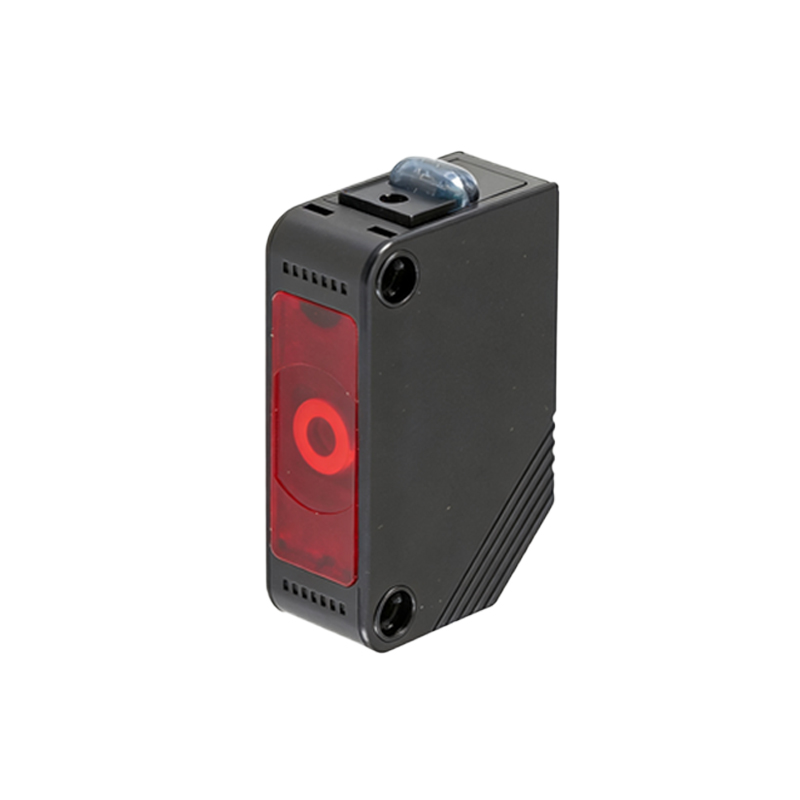
Understanding the distinct sensing modes is crucial for selecting the right sensor. The through-beam sensor, also known as the opposed mode, consists of separate, aligned emitter and receiver units. Detection occurs when an object breaks the light beam between them. This mode offers the longest sensing range and highest reliability, as it is largely immune to the object's color, texture, or reflectivity. Retro-reflective sensors house both emitter and receiver in a single housing. They rely on a reflector, typically a corner-cube prism, to bounce the light beam back. An object is detected when it blocks this return path. These sensors provide a good balance of range and convenience. Finally, diffuse reflective sensors, or proximity sensors, detect light reflected directly off the target object itself. The sensing distance depends heavily on the object's size, color, and surface finish. Advanced versions use background suppression or fixed-field teaching to ignore objects beyond a set distance, providing more precise detection.
Major Types and Advanced Variants
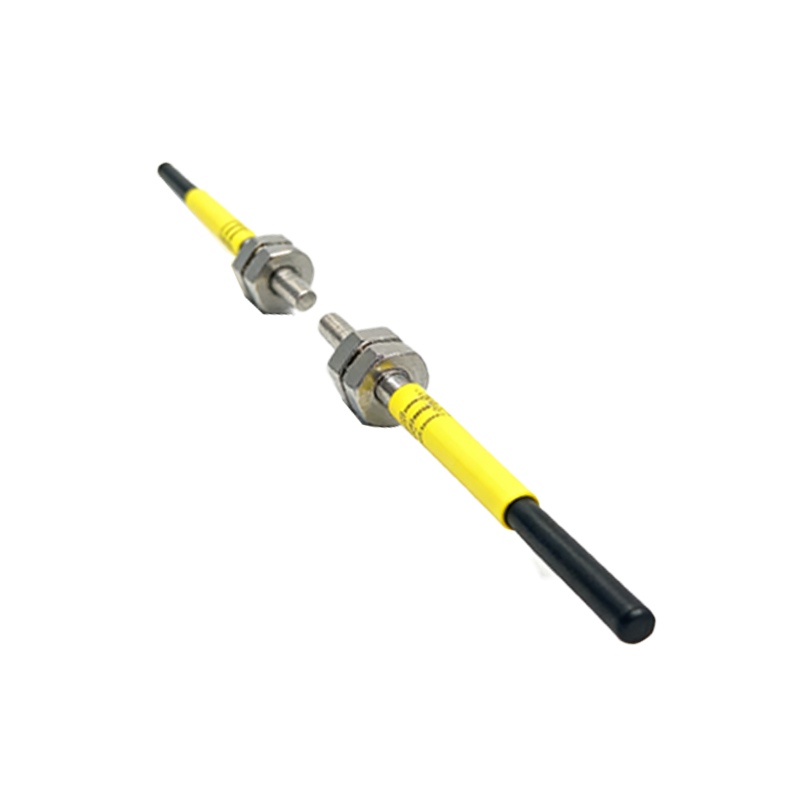
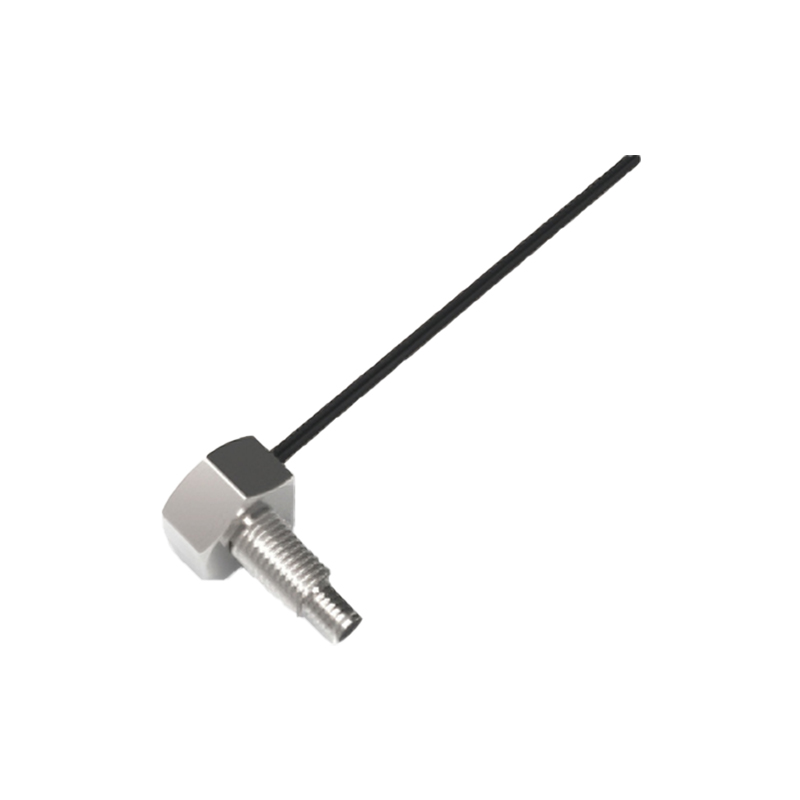
Beyond the basic modes, specialized photoelectric sensors address niche challenges. Fiber optic sensors use flexible light guides to transmit light to and from a remote sensing head. This allows for installation in extremely tight spaces, high-temperature zones, or areas with strong electromagnetic interference. Color sensors differentiate between colors by analyzing the reflected light's wavelength composition, essential for quality control in packaging and assembly. Luminescence sensors detect the presence of materials that glow under specific light, such as invisible marks or adhesives. Contrast sensors are optimized to detect differences in contrast between a mark and its background on packaging or labels. Furthermore, laser-based sensors provide extremely small, precise spot sizes for detecting minute objects or performing exact positioning tasks, while ultrasonic sensors, though not photoelectric, are often grouped for comparison, using sound waves for applications where optical methods struggle, like detecting transparent objects.
Key Selection Criteria for Industrial Applications
Selecting the appropriate photoelectric sensor requires a detailed analysis of the application parameters. The sensing range is paramount; it must accommodate the required working distance with a safety margin. The target object's properties—size, material, color, and surface texture—directly influence the choice of sensing mode and sensor type. The required response time and switching frequency must match the production line's speed. Environmental factors cannot be overlooked: ambient light, dust, fog, oil, and temperature extremes can degrade performance. Sensors with robust housings (IP67/IP69K ratings), polarized filters to combat ambient light, and temperature compensation are necessary for harsh conditions. Finally, the electrical output type (PNP/NPN, analog, IO-Link) and physical housing style (cylindrical, rectangular, slot-style) must be compatible with the existing control system and mounting constraints.
Common Applications Across Manufacturing Sectors
The versatility of photoelectric sensors makes them ubiquitous. In material handling and packaging, they count bottles on a conveyor, detect the presence of boxes for filling, and verify label placement. In the automotive industry, they ensure robots correctly pick and place components and verify part presence in assemblies. In food and beverage processing, they detect transparent films, monitor fill levels in containers, and ensure caps are properly seated. In electronics manufacturing, precise sensors verify the placement of tiny surface-mount components on circuit boards. They are also critical for safety, forming light curtains that instantly stop machinery when a person breaches a protected zone. Their role in enabling Industry 4.0 is growing, with smart sensors featuring IO-Link communication providing detailed diagnostic data, process values, and enabling remote parameter setting for predictive maintenance and flexible production lines.
Installation Tips and Maintenance Best Practices
Proper installation is key to reliable operation. Ensure the sensor is securely mounted to prevent vibration-induced misalignment. For through-beam and retro-reflective types, precise alignment is critical; a laser pointer built into many modern sensors greatly aids this process. Avoid mounting sensors where they face direct sunlight or other strong light sources to prevent false triggering. For diffuse sensors, consider the background; ensure it is distant and non-reflective to avoid interference. Regular maintenance involves keeping the lens clean from dust, oil, or debris using appropriate cleaners. Periodically check the alignment and output signal stability. Utilizing sensors with built-in diagnostic LEDs that indicate signal strength, power status, and output state simplifies troubleshooting and prevents prolonged downtime.