Understanding the Core Technology
Amplifier proximity sensors represent a sophisticated class of non-contact detection devices widely used in industrial automation. At their heart, these sensors consist of two primary components: a sensing element and an integrated amplifier. The sensing element, often based on inductive, capacitive, or photoelectric principles, detects the presence or absence of a target object. The integrated amplifier is crucial as it processes the weak electrical signal generated by the sensing element, converting it into a robust, standardized output signal suitable for industrial control systems like PLCs. This built-in amplification allows for longer sensing distances, improved signal stability, and immunity to electrical noise compared to non-amplified variants. The amplifier circuit is typically housed within the sensor body or a separate, connected module, enabling features like adjustable sensing ranges, output delay timers, and diagnostic LED indicators.
Key Operational Principles and Types
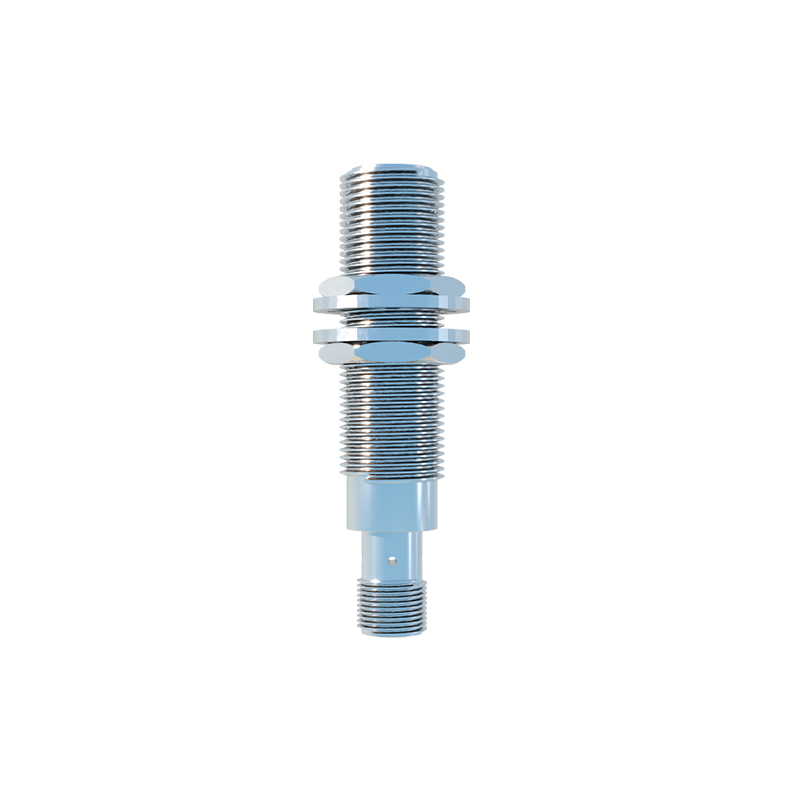
The operation varies significantly based on the sensing technology. Inductive proximity sensors with amplifiers are the most common for detecting metallic objects. They generate an electromagnetic field; when a metal target enters this field, it causes eddy currents that are detected and amplified. Capacitive versions can detect both metallic and non-metallic materials (like plastics, wood, or liquids) by sensing changes in capacitance. Photoelectric amplifier sensors use a light beam (visible, infrared, or laser) and its reflection or interruption to detect objects at greater distances. In all cases, the amplifier's role is to set a precise threshold, clean the signal, and provide a definitive ON/OFF output, typically in the form of a DC voltage (PNP/NPN) or a relay contact. Modern amplifier-integrated sensors often feature digital or analog programmability for sensitivity and hysteresis.
Critical Advantages in Industrial Settings
The integration of an amplifier delivers several compelling advantages. First is enhanced reliability and noise immunity. The amplified signal is less susceptible to degradation over long cable runs or interference from motors and drives. Second, they offer greater flexibility in installation and setup. Many models come with teach-in functions or potentiometers for easy adjustment of the sensing range without physical movement. Third, diagnostic capabilities are vastly improved. Status LEDs on the sensor provide immediate feedback on power, output state, and signal strength, aiding in rapid troubleshooting. Finally, the standardized output simplifies integration with a wide array of controllers, reducing the need for additional interface modules and streamlining cabinet design.
Primary Application Areas
Amplifier proximity sensors are ubiquitous across manufacturing and process industries. In automotive assembly lines, they precisely count parts, verify the presence of components, and control robotic arm positions. In packaging machinery, they detect labels, monitor fill levels in bottles, and ensure proper product positioning on conveyors. Material handling systems rely on them for pallet detection, stack height control, and conveyor jam prevention. In the electronics industry, these sensors verify the insertion of circuit boards and detect tiny components with high accuracy. Their robust construction also makes them suitable for harsh environments, finding use in metalworking, wood processing, and even food and beverage production where washdown-rated models are essential.
Essential Selection Criteria
Selecting the right amplifier proximity sensor requires careful consideration of several parameters. The sensing distance, or operating range, must be chosen with a safety margin to account for target material variations and mechanical tolerances. The target material itself dictates the technology: inductive for metals, capacitive for diverse materials, and photoelectric for long-range or specific color detection. The output type (e.g., PNP, NPN, analog, IO-Link) must be compatible with the control system input card. Environmental factors are critical; one must consider the IP rating for dust and water ingress, temperature range, and resistance to chemicals or mechanical shock. Finally, the physical housing style (barrel, rectangular, ring-shaped) and connection type (cable or connector) must suit the mounting constraints of the application.
Installation and Maintenance Best Practices
Proper installation is key to optimal performance. Sensors should be mounted securely to minimize vibration. For inductive sensors, it is important to maintain adequate clearance from surrounding metal (the flush-mounting or non-flush-mounting specification) to prevent false triggering. Wiring should follow manufacturer guidelines, ensuring correct polarity and using shielded cables in electrically noisy environments. Regular maintenance involves periodic checks for physical damage, buildup of debris on the sensing face, and verification of the output signal. The diagnostic LEDs are the first line of defense for troubleshooting. Common issues like reduced sensing distance often point to a dirty sensing face or a misaligned target, while a complete failure may indicate wiring problems or voltage supply issues.
SEO