Introduction to Ultra-Compact Photoelectric Sensing
The relentless drive towards miniaturization and increased machine density in industrial automation has propelled the development of ultra-compact photoelectric sensors. These devices, often no larger than a fingertip, deliver the robust sensing capabilities of their larger predecessors while enabling installation in spaces previously deemed inaccessible. Their core function remains unchanged: detecting the presence, absence, or position of an object using a light beam, typically infrared, red, or laser. The miniaturization, however, is not merely about size; it represents advancements in optical design, integrated circuit efficiency, and housing materials, allowing for high-performance sensing in a remarkably small form factor. This evolution is critical for applications in compact robotics, semiconductor manufacturing, packaging machinery, and intricate assembly lines where every millimeter counts.
Through-Beam Sensors: The Long-Range Champions
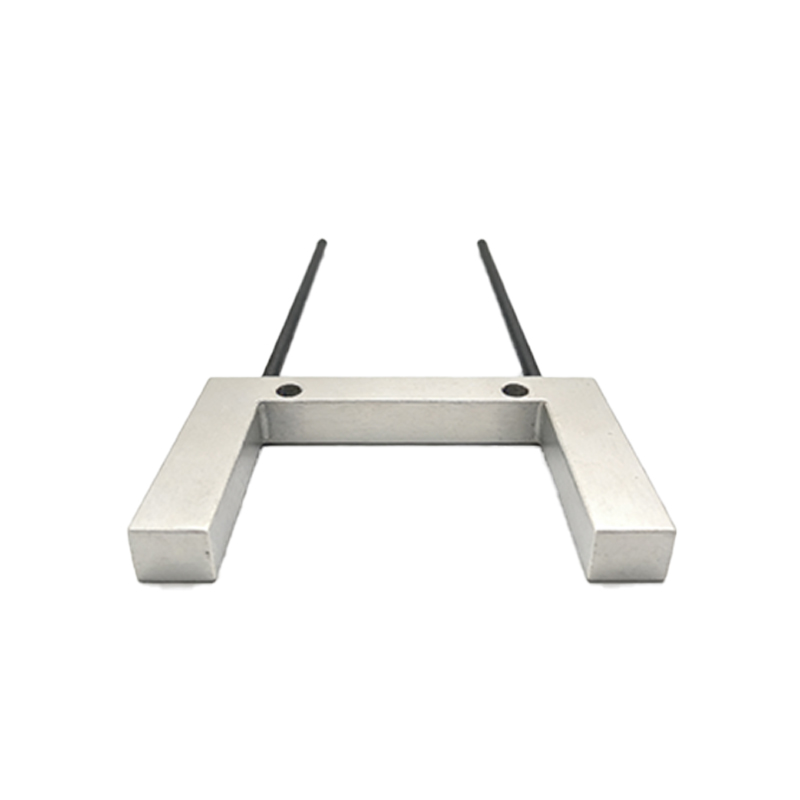
The through-beam (or opposed) type remains the gold standard for long-range and highly reliable detection in an ultra-compact package. This system consists of two separate units: a compact emitter and an equally compact receiver positioned opposite each other. The emitter projects a continuous beam of light to the receiver. An object is detected when it interrupts this beam. The primary advantage of this configuration is its exceptional sensing distance, which can still reach several meters even with miniaturized components, and its high immunity to environmental factors like target color, reflectivity, or surface finish. Ultra-compact through-beam sensors are ideal for detecting small objects on high-speed conveyors, verifying gate positions, or providing safety curtains in tight spaces. Their drawback is the need for precise alignment and wiring at two separate points, which can be challenging in very dense panels.
Retro-Reflective Sensors: Simplified Alignment
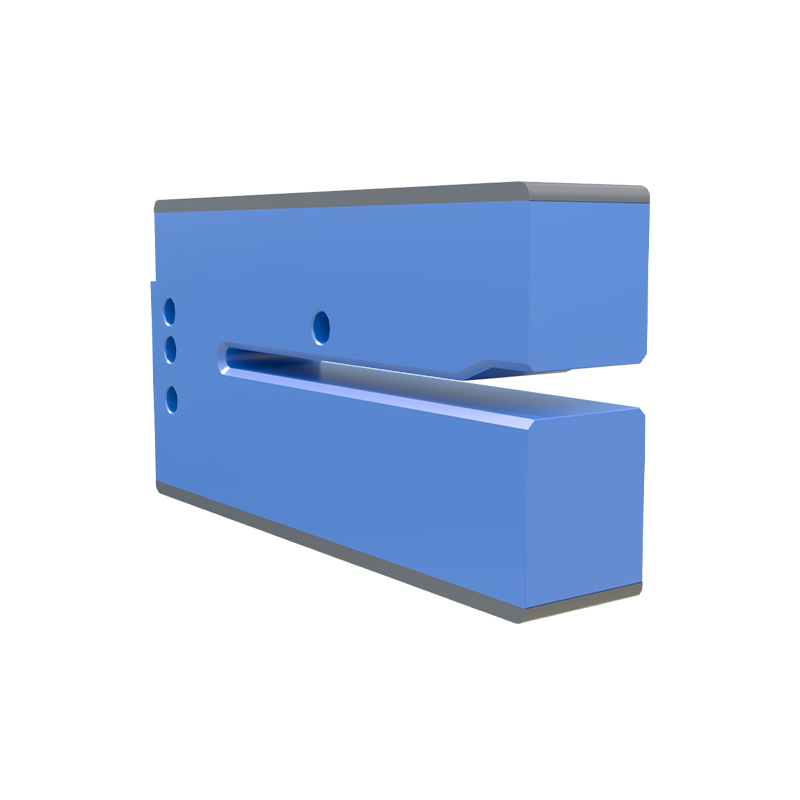
Retro-reflective sensors offer a compelling compromise between range and installation simplicity. The emitter and receiver are housed in a single ultra-compact unit. The device emits a light beam towards a specialized reflector, often a corner-cube retro-reflector, which bounces the beam directly back to the receiver. Detection occurs when an object breaks this return path. This design effectively doubles the operational range compared to a diffuse sensor while requiring wiring at only one point. Modern ultra-compast retro-reflective sensors incorporate polarization filters to solve a common issue: reliably detecting shiny objects. The filter ensures the sensor only recognizes the polarized light returned from the genuine reflector, ignoring light directly reflected from a glossy object's surface. These sensors are widely used in material handling, elevator positioning, and automated door systems where reliable medium-range detection is needed.
Diffuse Reflective Sensors: Single-Point Proximity Sensing
The diffuse reflective (or proximity) sensor is the most common and installation-friendly type, with both emitter and receiver in one miniature housing. It operates by emitting light and detecting the portion that diffuses off the target object back to the receiver. Detection is based on the intensity of the reflected light. The major advantage is true single-point sensing—no separate reflector or receiver unit is required. However, sensing distance is shorter, and performance is inherently influenced by the target's color, size, and surface texture (a white object reflects better than a black one). Advanced versions, known as background suppression or convergent beam sensors, use triangulation optics to detect objects only within a precise, defined distance, ignoring backgrounds beyond that point. This makes ultra-compact diffuse sensors perfect for detecting small components on PCBs, monitoring fill levels in tiny containers, or serving as end-of-stroke detectors in miniature actuators.
Specialized Types: Fiber Optic and Laser Sensors
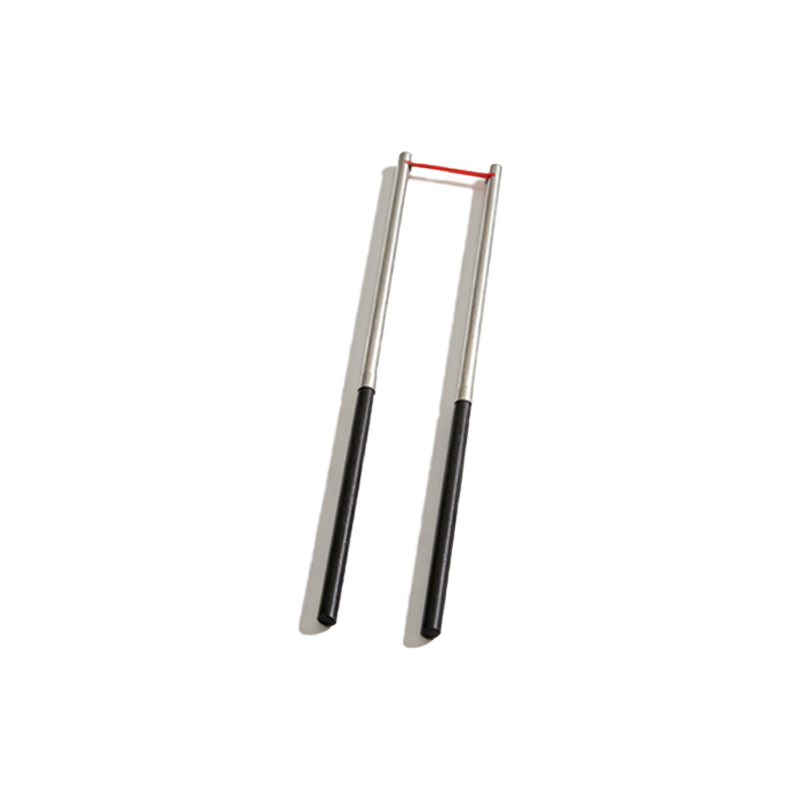
Ultra-compact sensing extends beyond standard housing types. Fiber optic photoelectric sensors utilize a very small amplifier unit connected to even smaller sensing heads via flexible or rigid fiber optic cables. This allows sensing in extreme environments (high temperature, intense vibration, corrosive atmospheres) or microscopic spots, as only the durable glass fibers are exposed. Meanwhile, ultra-compact laser sensors project a highly visible, precise spot over longer distances. They are essentially diffuse sensors but use a focused laser beam instead of LED light, enabling the detection of very small objects or precise edge positioning with sub-millimeter accuracy. These specialized types are indispensable in electronics assembly, precision machining, and cleanroom applications where precision and environmental resistance are paramount.
Key Selection Criteria and Application Considerations
Selecting the appropriate ultra-compact photoelectric sensor requires careful analysis. First, define the required sensing range and choose the type accordingly: through-beam for maximum range, retro-reflective for medium range with simpler setup, and diffuse for close proximity. Second, consider the target properties—size, color, material, and surface—as these dramatically affect diffuse and, to a lesser extent, retro-reflective sensors. Third, evaluate the environmental conditions: dust, moisture, ambient light, and electrical noise. Look for sensors with appropriate Ingress Protection (IP) ratings and robust housing materials like PTFE or stainless steel for harsh environments. Finally, examine the electrical output (PNP/NPN, analog, IO-Link), response time, and mounting options. The integration of smart features like IO-Link for parameter setting and diagnostics is becoming increasingly common even in these tiny devices, enhancing their value in Industry 4.0 setups.
The Future of Miniaturized Sensing Technology
The trajectory for ultra-compact photoelectric sensors points towards even greater intelligence and integration. Future iterations will likely feature enhanced connectivity as standard, with built-in Ethernet/IP or PROFINET interfaces for seamless network integration. Advances in optics and chip design will push sensing distances and accuracy further while reducing power consumption. Furthermore, the integration of multiple sensing principles—such as combining photoelectric and inductive sensing in one micro-housing—could create versatile, multi-purpose units. As collaborative robots (cobots) and micro-automation systems continue to evolve, the demand for these tiny, powerful, and smart sensors will only intensify, solidifying their role as fundamental components in the next generation of automated systems.